
Last updated November 16, 2026
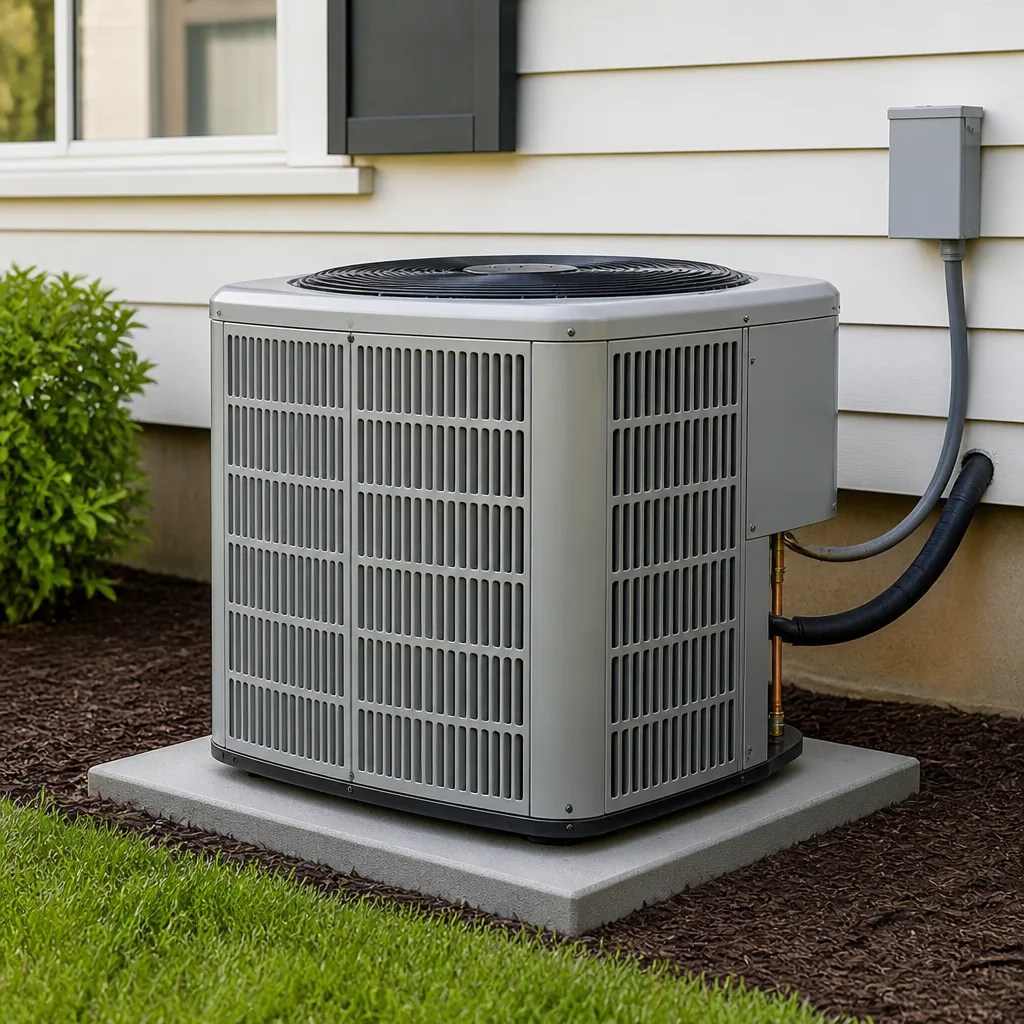 AC repair
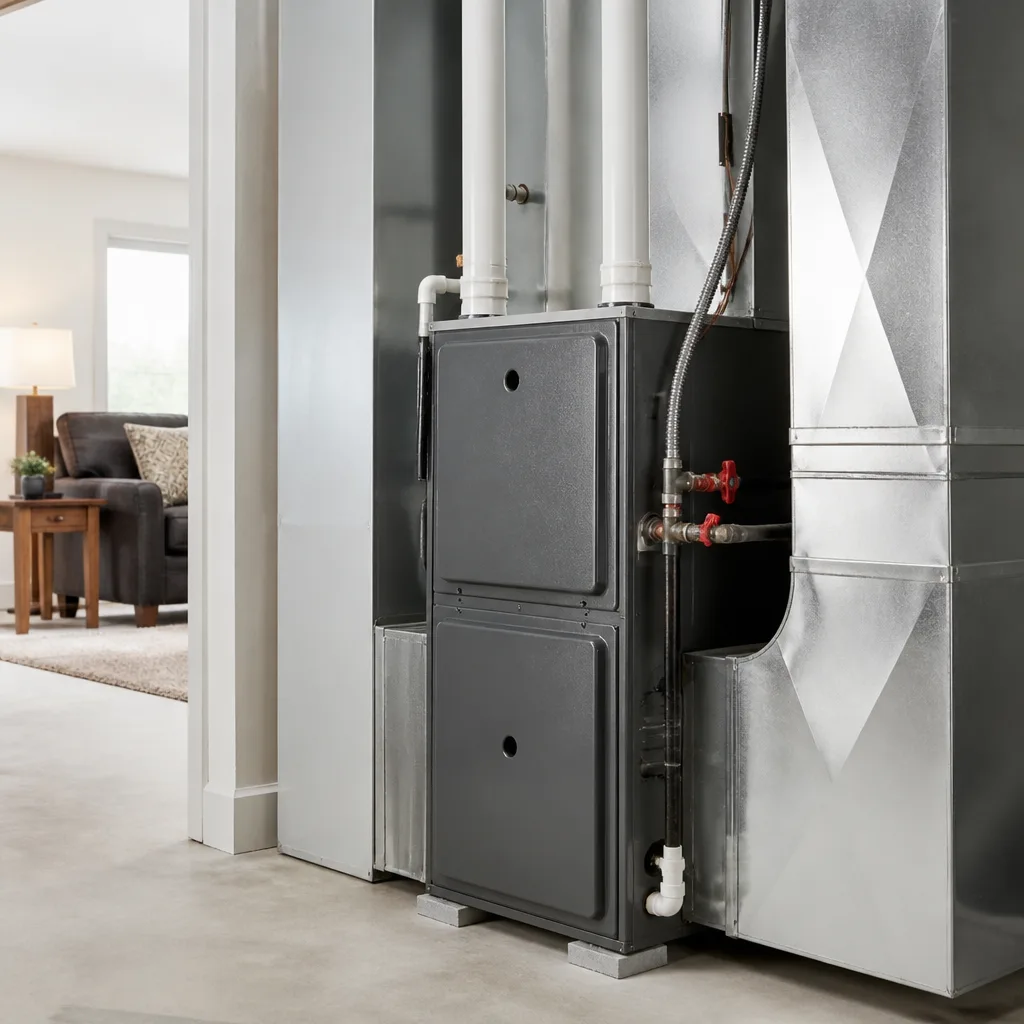 Furnace & heating
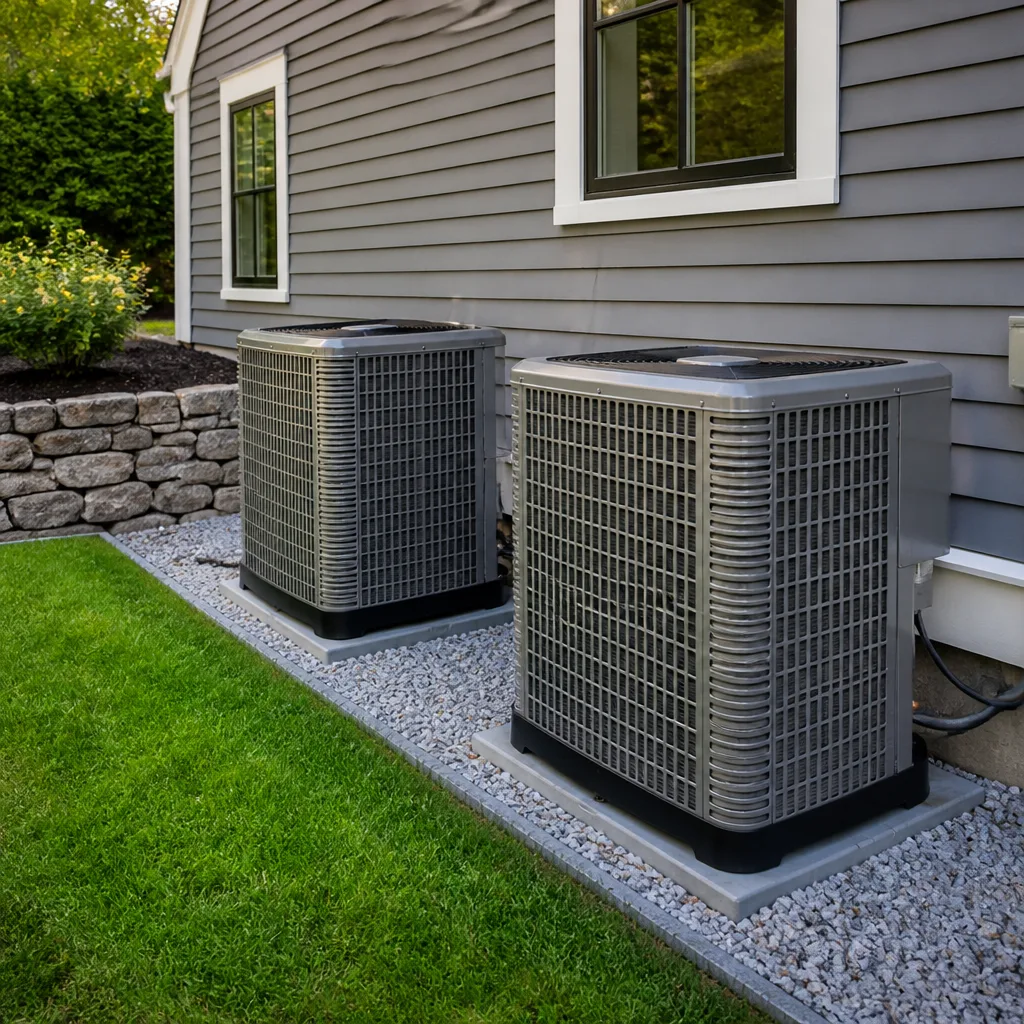 Heat pumps
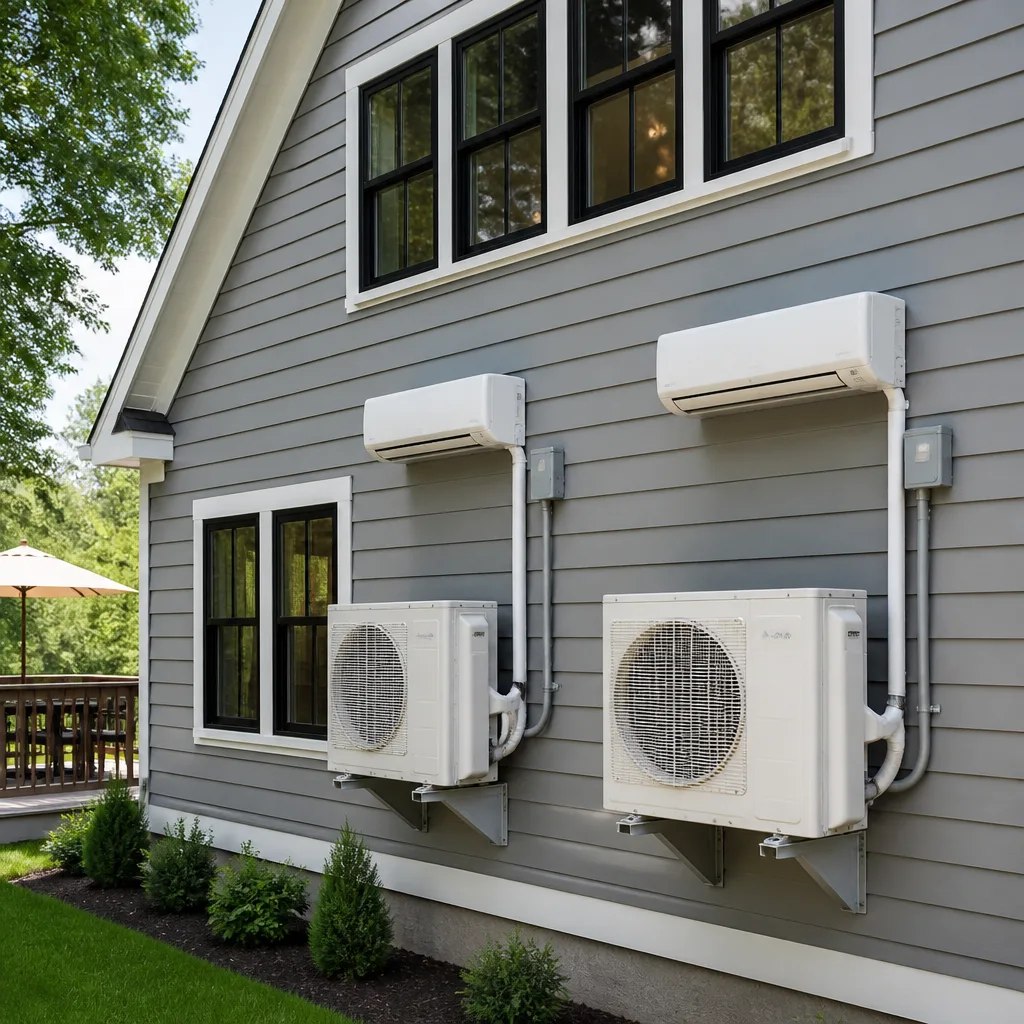 Ductless mini splits
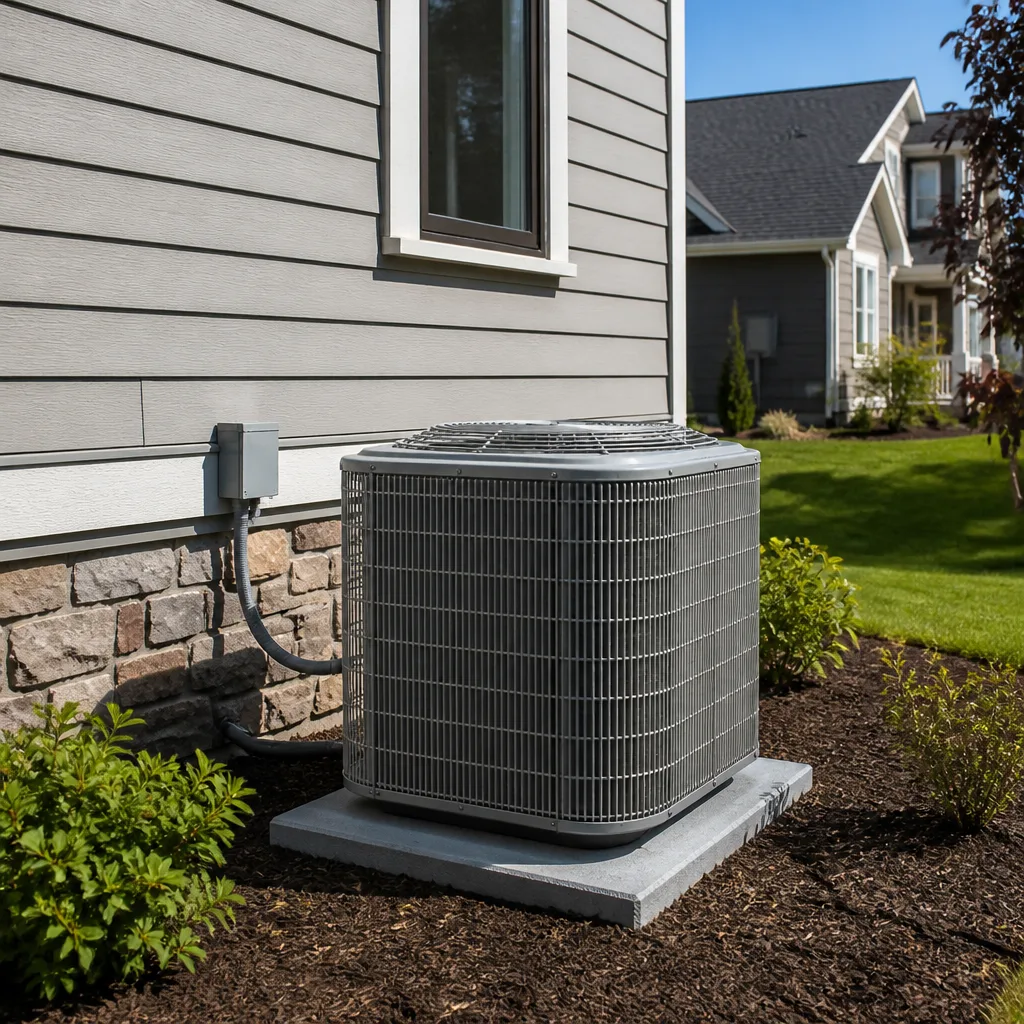 Carrier
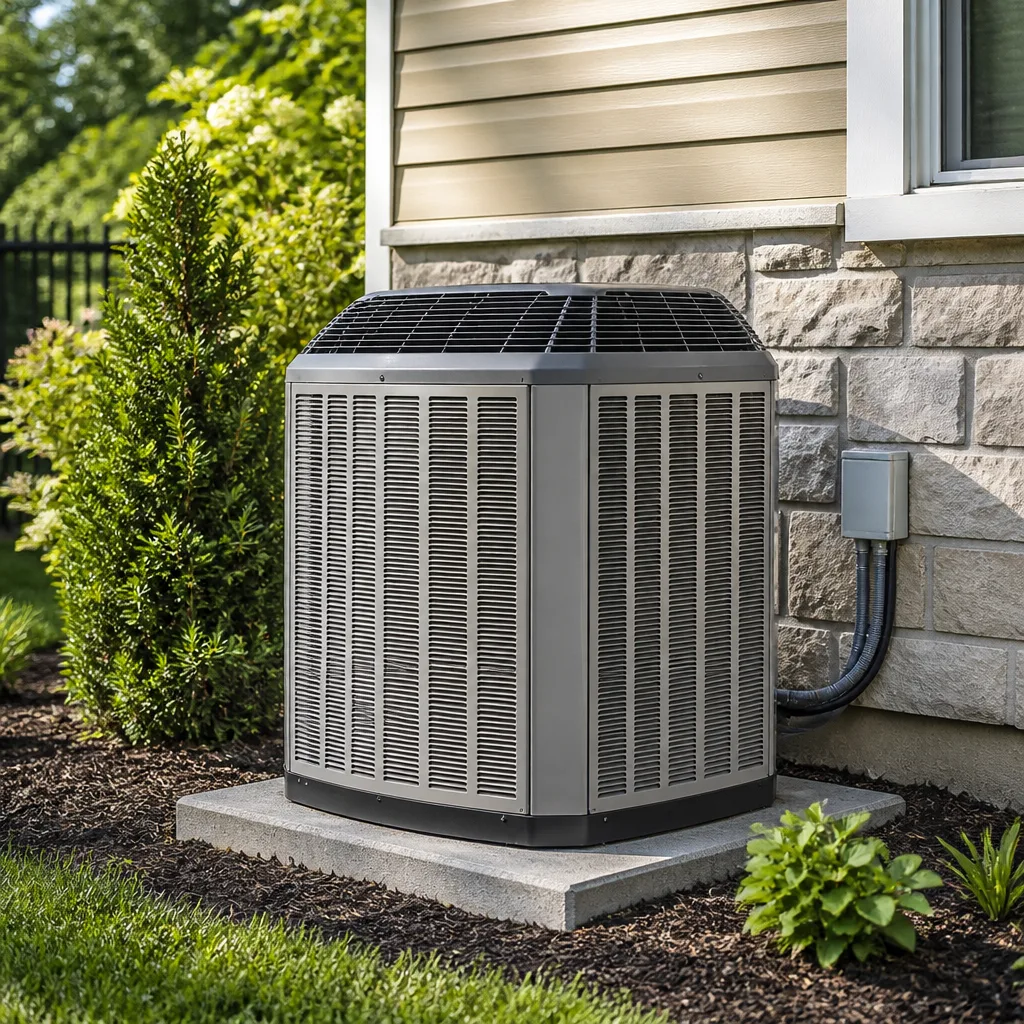 Trane
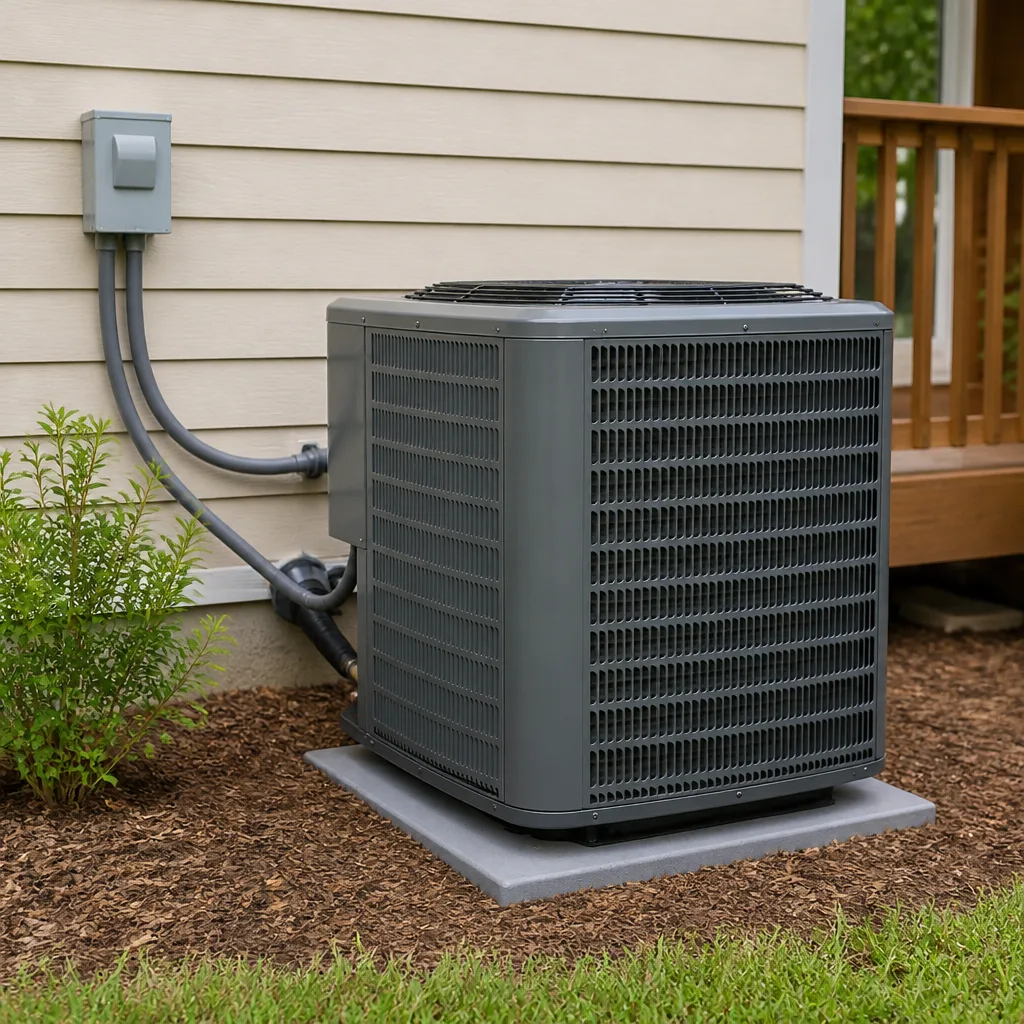 Goodman
Seasonal tune-up and full diagnostic on your Carrier, Trane, or Goodman system - readings shown to you before any repair is proposed
Diagnosis first, numbers second - you approve the repair price before a single part goes in.
Get your free estimateHVAC Permits, Codes & Inspections in Deltona, FL: What You Need to Know
Most homeowners assume the permit is paperwork the contractor handles and never think about it again. The permit is actually the only public record that your HVAC system was installed to code, and it follows the house, not the contractor. Volusia County building records are public and searchable. When a buyer’s inspector finds an air handler or condenser swapped out without a permit, the seller is usually the one paying for a retroactive inspection that can mean opening walls to check work nobody examined the first time. This guide covers which HVAC jobs in Deltona need a permit, which don’t, what inspectors look for, and how the paper trail affects insurance and resale.
Quick Answer
In Deltona and across Volusia County, a full HVAC system replacement, a new install, and any job that changes the equipment’s electrical circuit, refrigerant line set, or duct layout requires a building permit and inspection under the Florida Building Code. A straight like-for-like equipment swap of the same capacity and type is the main category that can qualify as an exempt replacement, and even then the contractor has to confirm it with the county before skipping the permit. A passed inspection confirms the work met code at the time it was inspected. It does not vouch for the contractor’s workmanship, the sizing, or the quality of the install.
Styles & brands we work with
- AC repair
- Furnace & heating
- Heat pumps
- Ductless mini splits
- Carrier
- Trane
- Goodman
Table of Contents
- Why HVAC Permits Matter More in Deltona Than Most Homeowners Realize
- Which HVAC Jobs Need a Permit in Deltona and Volusia County?
- What the Florida Building Code Mechanical Sections Actually Require
- What Inspectors Look For on a Deltona HVAC Inspection
- How Long Does Permit Approval Take in Volusia County?
- What a Passed Inspection Does and Doesn’t Guarantee
- How Unpermitted HVAC Work Affects Insurance and Resale in Florida
- Common Mistakes to Avoid
Why HVAC Permits Matter More in Deltona Than Most Homeowners Realize
HVAC permits in Deltona don’t expire when the job ends. They live in the county building records permanently, attached to the property address. Anyone can pull them: a buyer, a buyer’s inspector, an insurance underwriter, a future contractor. That permanence is the whole point of the system, and it’s also the reason a missing permit can surface years after everyone involved in the original install has moved on.
Deltona’s housing stock makes this a live issue. A large share of the city’s homes were built through the 1980s and 1990s, and many have been through two or three HVAC replacements by now. Each of those replacements either has a permit on file or it doesn’t. When a home goes on the market and the inspector flags a condenser with no matching record, the transaction slows down and the seller absorbs the cost of a retroactive inspection. That inspection can require opening sections of drywall or ceiling to verify the refrigerant lines, electrical connections, and duct transitions that should have been checked during the original install.
Deltona’s climate raises the stakes on the work itself. Summer heat and humidity here run hard for months, and a system that’s undersized, over-pressurized, or connected to compromised ductwork gets pushed to its limit every season. A permit and inspection aren’t a stamp of quality, but they’re the baseline record that the equipment was installed to the code rules the state requires. Without them, you have a receipt and a handshake. With them, you have a document.
The risk isn’t financial loss on the install. It’s what happens at the point of sale, in the middle of an insurance claim, or during a routine underwriting review. That’s the moment the missing paper matters.
Which HVAC Jobs Need a Permit in Deltona and Volusia County?
Florida law sets the framework, and Volusia County administers it locally. The county’s building department is the authority that issues and inspects HVAC permits for residential work in Deltona. The simplest way to understand the line is this: anything that changes the system, its capacity, its electrical supply, or its refrigerant path needs a permit. Straight replacement of identical equipment is the narrow category that may qualify as exempt.
Jobs that require a permit in Deltona:
- Full system replacement where the condenser, air handler, or both change to a different model, capacity, refrigerant type, or configuration
- New HVAC installation in new construction or in a home being converted from another cooling method
- Relocating the condenser or air handler
- Replacing or rerouting the refrigerant line set
- Any change to the electrical circuit feeding the equipment, including a new disconnect or panel work
- Duct replacement, resizing, or significant duct modifications
- Adding a mini-split or zoning system
- Converting from one fuel source or system type to another
Jobs that may qualify as like-for-like replacements exempt from full permitting:
- Swapping a failed condenser with an identical capacity and type of the same or a compatible model, on the existing line set and electrical circuit
- Replacing an air handler with an equivalent unit without changing the ductwork or electrical
The exemption language is narrow, and it’s the contractor’s job to confirm it with the county before the job. The mistake we see is homeowners assuming “same size” means “same permit.” A Carrier condenser replaced with a Trane unit of identical tonnage can still involve different refrigerant, different charge, and different electrical draw. Our technicians have up to 12 years of experience, and the first thing we establish on any install is whether the county requires a permit for that specific change. When we handle a job through AC installation, that step happens before equipment is ordered.
What the Florida Building Code Mechanical Sections Actually Require
Florida adopts the International Mechanical Code with state amendments, and the result is the Mechanical chapter of the Florida Building Code. That chapter is what Volusia County inspectors enforce on residential HVAC in Deltona. You don’t need to read it cover to cover, but you should know what it governs, because it shapes what your contractor has to do.
The code covers these areas for a residential install:
- Equipment sizing and capacity. The code requires the equipment to be sized to the home’s load, not guessed. A contractor who installs “one ton per 500 square feet” without a load calculation is working against the code’s intent and usually against the homeowner’s comfort.
- Refrigerant piping and charge. Materials, sizing, brazing, and testing procedures for the line set. The refrigerant charge has to match the manufacturer’s spec for the installed length and configuration.
- Electrical connections. Disconnect location, overcurrent protection, grounding, and the circuit to the equipment.
- Condensate management. Primary and secondary drain requirements, including where the overflow must terminate.
- Ductwork. Sealing, support, and insulation requirements, plus clearances where ducts pass through conditioned space.
- Access and clearances. Required working space around equipment for service, and clearance from building surfaces.
- Combustion air and venting. Applies to any gas-fired furnace, including the venting arrangement and clearances.
Two details come up often in Deltona homes. First, the condensate drain. Florida’s humidity means a properly sloped and terminated secondary drain is not optional, and inspectors check it. Second, attic-mounted air handlers common in this area need a clear service path and a secondary pan. If your last install skipped either, an inspection will surface it.
If your furnace also needs attention, the code requirements for combustion air and venting apply directly. We handle those through furnace repair and furnace replacement, and the same permit discipline applies to gas-fired heating work.
What Inspectors Look For on a Deltona HVAC Inspection
Most residential HVAC in Deltona involves two inspections: a rough-in inspection while the system is partially installed, and a final inspection once the work is complete. Some jobs only trigger the final. What the inspector checks is consistent, and knowing the list helps you verify your contractor’s work.
- Permit and approved plans on site. The permit card has to be posted, and the plans have to match what’s being installed.
- Equipment nameplate and capacity match. The inspector compares the installed model and capacity to the permitted scope. A different unit than what was approved fails.
- Electrical disconnect and breaker sizing. The disconnect is in sight of the equipment, the breaker matches the nameplate’s maximum overcurrent protection, and grounding is correct.
- Refrigerant line set and charge. Line sizes, insulation, bracing, and the charge verification method. Pressure testing records may be requested.
- Condensate drains. Primary drain slope, secondary drain or float switch, and where the overflow terminates.
- Duct connections and sealing. Ducts connected to the new equipment are sealed at the plenum, supported properly, and insulated where they run through unconditioned space.
- Combustion air and venting for gas equipment. Clearances, vent slope, and termination location for any furnace.
- Access and working clearances. Enough room to service the equipment without removing structure.
- Load calculation documentation. Some jurisdictions request the Manual J or equivalent load calculation with the permit application. Volusia County generally requires it as part of the submittal for a system replacement.
Failed inspections are usually minor: a missing disconnect, an unsealed plenum, or a secondary drain terminated somewhere the inspector flags. They get corrected and re-inspected. The bigger failure mode is a job that never got inspected at all, which is what happens on unpermitted work.
How Long Does Permit Approval Take in Volusia County?
Residential HVAC permit approval in Volusia County typically runs from a few business days to a couple of weeks after a complete submittal, depending on the current volume at the building department and whether the application is clean on arrival. Simple like-for-like replacements with a proper load calculation and matched equipment specs tend to move faster. Anything that raises a question about the scope, the structure, or the equipment gets put into a longer review queue.
The most common triggers for an extended review:
- Missing or incomplete load calculation
- Equipment specs that don’t match the proposed capacity
- Work that touches structural framing or a change to the building envelope
- A permit application that lists a scope broader than what the plan set shows
- Any job flagged as a change of occupancy or a conversion
- An address with prior unpermitted or unresolved permits already on record
Volume County’s online permitting portal lets you track status once the application is in the system. Your contractor should be able to give you the permit number, and you can log in and see where the application sits. If your contractor can’t produce a permit number after the job is scheduled, that’s a red flag worth asking about before work begins.
The inspection has to be scheduled after the work is complete and, on some jobs, after the rough-in is done. That adds time to the calendar. A well-run replacement in Deltona can be fully installed and inspected in a normal weather window, but the paperwork is not a same-day process. The job is done when it’s signed off.
What a Passed Inspection Does and Doesn’t Guarantee
A passed inspection confirms the work met the Florida Building Code requirements that the inspector was there to see. It’s a real signal. It’s also a limited one. The inspector verifies code compliance at the point of inspection, not the quality of the design, the accuracy of the contractor’s load calculation beyond its presence, the equipment’s long-term reliability, or the craftsmanship of the install.
What an inspection covers:
- Code compliance for visible items at the time of inspection
- Equipment matches the permitted scope
- Electrical, refrigerant, duct, and condensate work meet the code’s minimums
What an inspection does not cover:
- Whether the system was sized correctly for your home and habits
- Whether the ducts were sealed and balanced to deliver the right airflow in every room
- Whether the equipment is the right fit for your budget and how long you plan to stay
- Warranty registration, manufacturer startup requirements, or the contractor’s follow-up
This is where hiring matters. A permit doesn’t turn a poor install into a good one. It just makes the install traceable. We’ve watched homeowners treat the inspection as the finish line, when the real finish line is a system that feels right in the back bedrooms in August. The county checks code. Your contractor checks your comfort. The two aren’t the same job, and a good contractor handles both.
How Unpermitted HVAC Work Affects Insurance and Resale in Florida
Unpermitted HVAC work has two downstream effects in Florida: insurance underwriting and real estate transactions. Both are getting more attention, not less, as carriers have grown more careful about the risks they take on and the records they require.
On the insurance side, Florida carriers have increasingly been asking for documentation of major systems as part of underwriting. An aging roof was the original focus; HVAC has moved up the list because a failed system in a home that sits vacant after a claim can cause secondary damage that runs into the tens of thousands. Whether a specific carrier asks about HVAC permits depends on the carrier and the policy, but the question is becoming more common. If your HVAC work is unpermitted and a claim touches the equipment or the resulting damage, you may find yourself explaining the missing permit as part of the claim process.
On the resale side, the exposure is more direct. A buyer’s inspector will pull the county records for the address, and an HVAC install with no permit on file will show up as a question. The typical pattern:
- Buyer’s inspector notes the HVAC equipment model year and sees no matching permit record.
- Buyer’s agent requests documentation or a retroactive permit.
- Seller orders a retroactive inspection, which requires opening accessible areas for verification.
- Any code issues found during that inspection get corrected, and the inspection is re-run.
- Closing waits on the paper trail.
None of that has to happen if the permit was pulled on the original install. A homeowner in Deltona replacing a system today has every opportunity to have the paper in place before the work starts. The Deltona housing market moves on documentation, and HVAC paperwork is part of that documentation.
Common Mistakes to Avoid
- Assuming “same size” means “no permit needed.” A replacement that changes the model, refrigerant type, or electrical draw is rarely exempt. Confirm the scope with the county before skipping the permit, not after.
- Letting the contractor handle the paperwork without verifying it. Ask for the permit number and look it up in the Volusia County portal. A contractor who can’t produce one has either not filed yet or isn’t planning to.
- Skipping the load calculation to save time. The load calculation isn’t a formality. It’s the code requirement behind sizing, and an install without it usually shows up as a system that runs constantly or never quite cools the west-facing bedrooms.
- Assuming the inspection is the finish line. A passed inspection means code compliance. Airflow balancing, thermostat setup, and refrigerant charge verification against the manufacturer’s spec are separate work that affects how the system performs.
- Using a single-brand dealer when you already own a different brand. If your existing system is a Lennox and the dealer only installs Carrier, the recommendation gets shaped by inventory rather than your equipment. We work on Carrier, Trane, Lennox, Goodman, and five other major brands, and the recommendation follows the system, not the brand relationship.
- Leaving a prior homeowner’s unpermitted work unaddressed. If you bought a Deltona home with an HVAC install that has no permit record, address it before you sell. The fix is easier on your schedule than on the closing deadline.
- Believing the inspection covers everything. The inspector doesn’t verify your system was sized for your home’s actual heat load, only that the paperwork is in order. That’s why you want a contractor who runs a load calculation as part of the job, not as an optional add-on.
See the difference
 Before
 After
 Before
 After
 Before
 After
When to Call a Professional
Call a licensed HVAC contractor instead of handling the paperwork yourself whenever the job involves new equipment, a capacity change, electrical work, refrigerant, or duct modifications. Permits in Deltona are pulled by licensed contractors, and the inspection has to match what was permitted. If your system is aging out and you’re facing a repair-or-replace decision on the heating side, the same permit questions apply to furnace work, and the timing matters as much as the code.
If you’ve bought a home with unpermitted HVAC work, or you’re getting ready to sell and aren’t sure the permits are clean, a quick review of the county records will tell you what you need. Deltona AC Repair offers free estimates in Deltona. Call (888) 850-1463. We answer 24/7. Fast dispatch from 7am to 7pm, Sunday through Friday.
Frequently Asked Questions
It depends on the scope. A full system replacement, a capacity change, a new line set, or any electrical or duct modification requires a permit in Deltona and Volusia County. A straight like-for-like equipment swap of identical capacity and type on the existing line set and circuit may qualify as exempt, and your contractor has to confirm that with the county before the job. Call (888) 850-1463 for a free estimate, and we’ll tell you which category your job falls into.
Typical residential HVAC permit approval in Volusia County runs from a few business days to a couple of weeks after a complete submittal. Incomplete load calculations, mismatched equipment specs, or work that touches the building envelope push approval into a longer review. Once the permit is issued, the inspection is scheduled after the work is complete. Call (888) 850-1463 if you want a straight answer on timing for your job before you commit.
The work is unpermitted and the missing record stays attached to the property address. It typically surfaces during a home sale inspection, when the buyer’s inspector pulls county records and finds no matching permit, or during insurance underwriting if the carrier asks for system documentation. The fix is a retroactive inspection, which can require opening accessible areas to verify the original work. Call (888) 850-1463 for a free estimate on bringing the work into compliance.
No. A passed inspection means the work met the code requirements the inspector was there to verify. It does not vouch for load calculation accuracy, duct balancing, refrigerant charge against the manufacturer’s spec, or the quality of the craftsmanship. Those are the contractor’s responsibility, not the inspector’s. Call (888) 850-1463 for a free assessment of an existing install if you’re not sure what was done.
It depends on the carrier and the policy, but Florida underwriters have been asking for documentation of major systems more often in recent years. An unpermitted HVAC install can complicate a claim that touches the equipment or resulting damage. Having the permit record in place before a claim is much easier than explaining its absence during one. Call (888) 850-1463 for a free estimate and we’ll walk through what your job needs.
The inspector verifies code compliance for visible items at the time of inspection: equipment matches the permitted scope, electrical disconnect and breaker sizing are correct, the refrigerant line set and charge meet spec, condensate drains are properly sloped and terminated, ducts are sealed and supported, combustion air and venting are correct on gas equipment, and access clearances are adequate. Call (888) 850-1463 if you want your existing install reviewed against those standards.
The Bottom Line
The permit is the record that follows the house, not the contractor. In Deltona and Volusia County, full replacements, capacity changes, electrical work, and duct modifications require a permit and inspection under the Florida Building Code Mechanical sections, while a narrow like-for-like replacement category may be exempt if the contractor confirms it with the county. A passed inspection confirms code compliance, not install quality, and it doesn’t substitute for hiring a contractor who runs a load calculation and commissions the system properly. The cost of skipping the permit shows up at resale or during a claim, when the fix is the seller’s problem. Get the paper in place before the work starts.
Deltona AC Repair handles AC installation, furnace repair, and furnace replacement for Carrier, Trane, Lennox, Goodman, Rheem, York, Daikin, Bryant, and American Standard equipment across Deltona. One call covers your whole system. Call (888) 850-1463 for a free estimate. We answer 24/7. Fast dispatch from 7am to 7pm, Sunday through Friday.
Written by the team at Deltona AC Repair.