
Last updated November 16, 2026
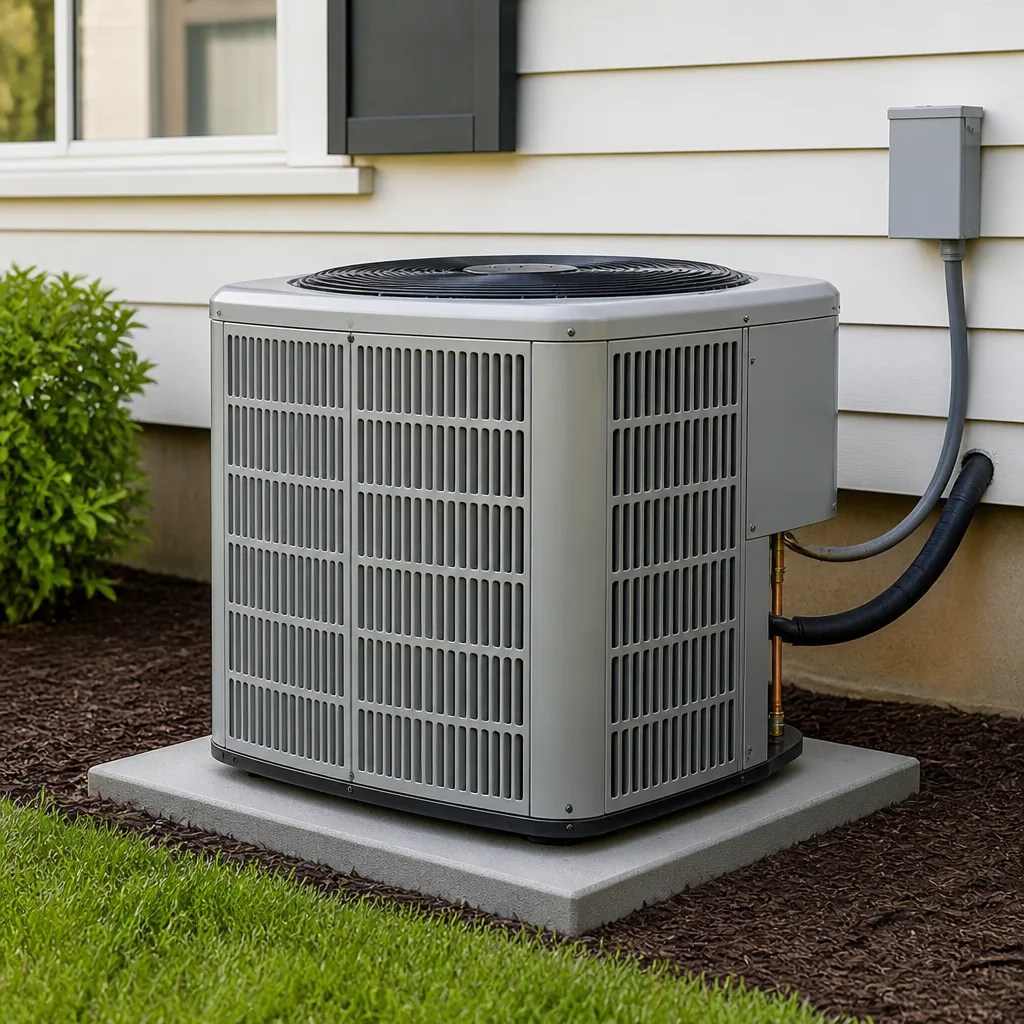 AC repair
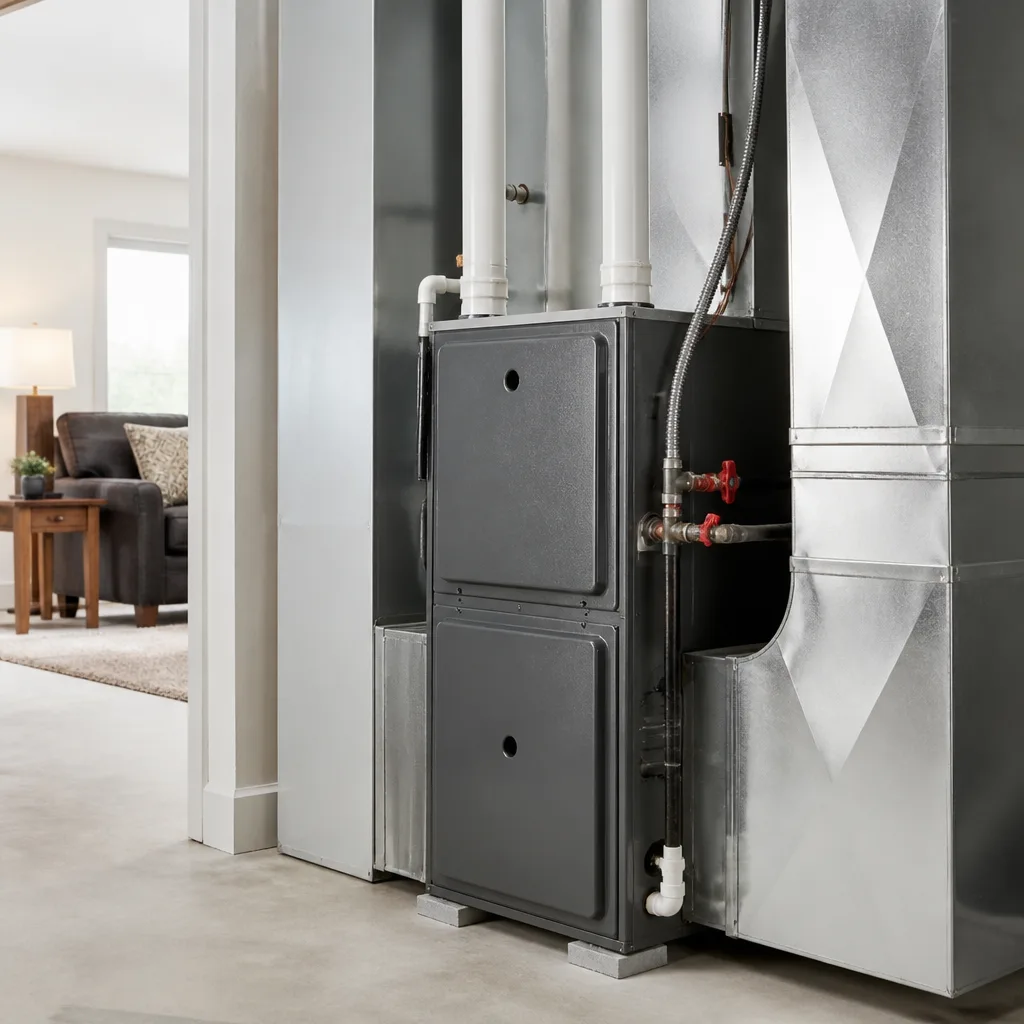 Furnace & heating
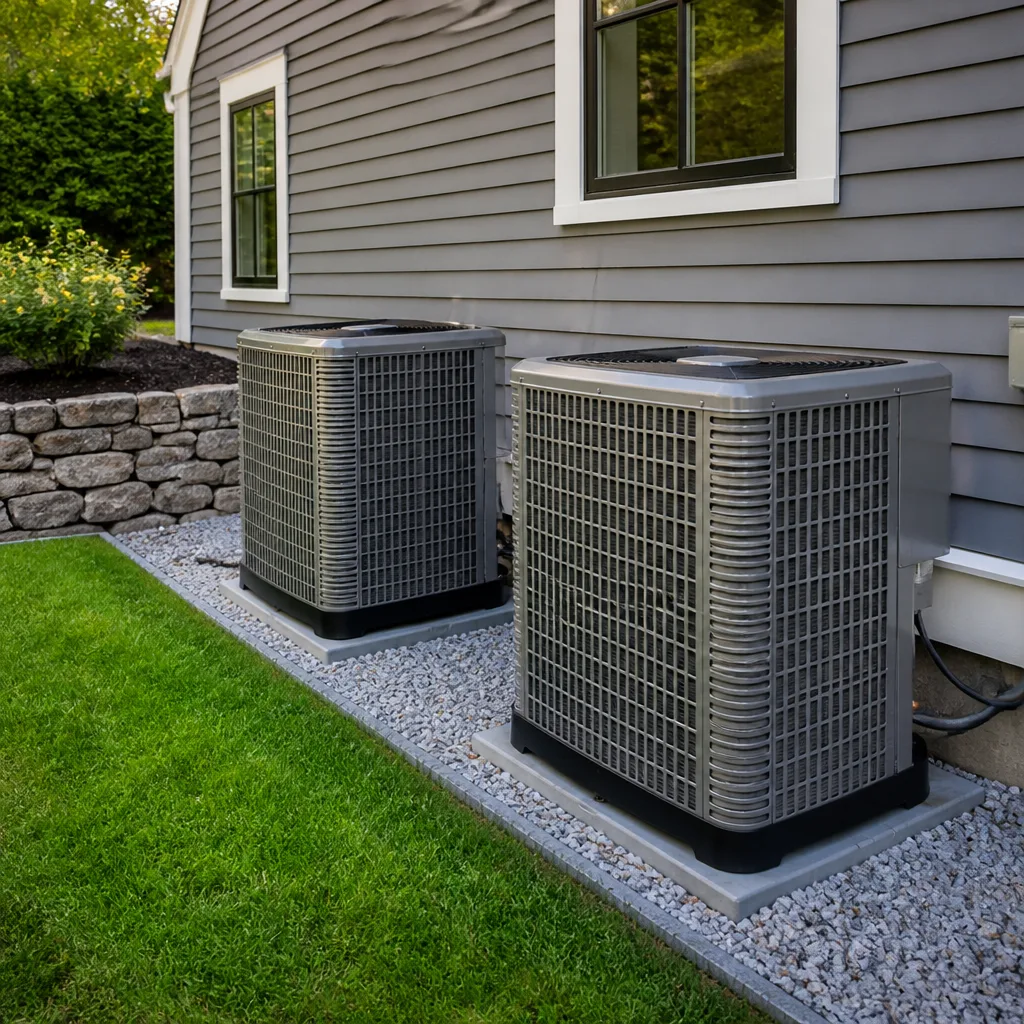 Heat pumps
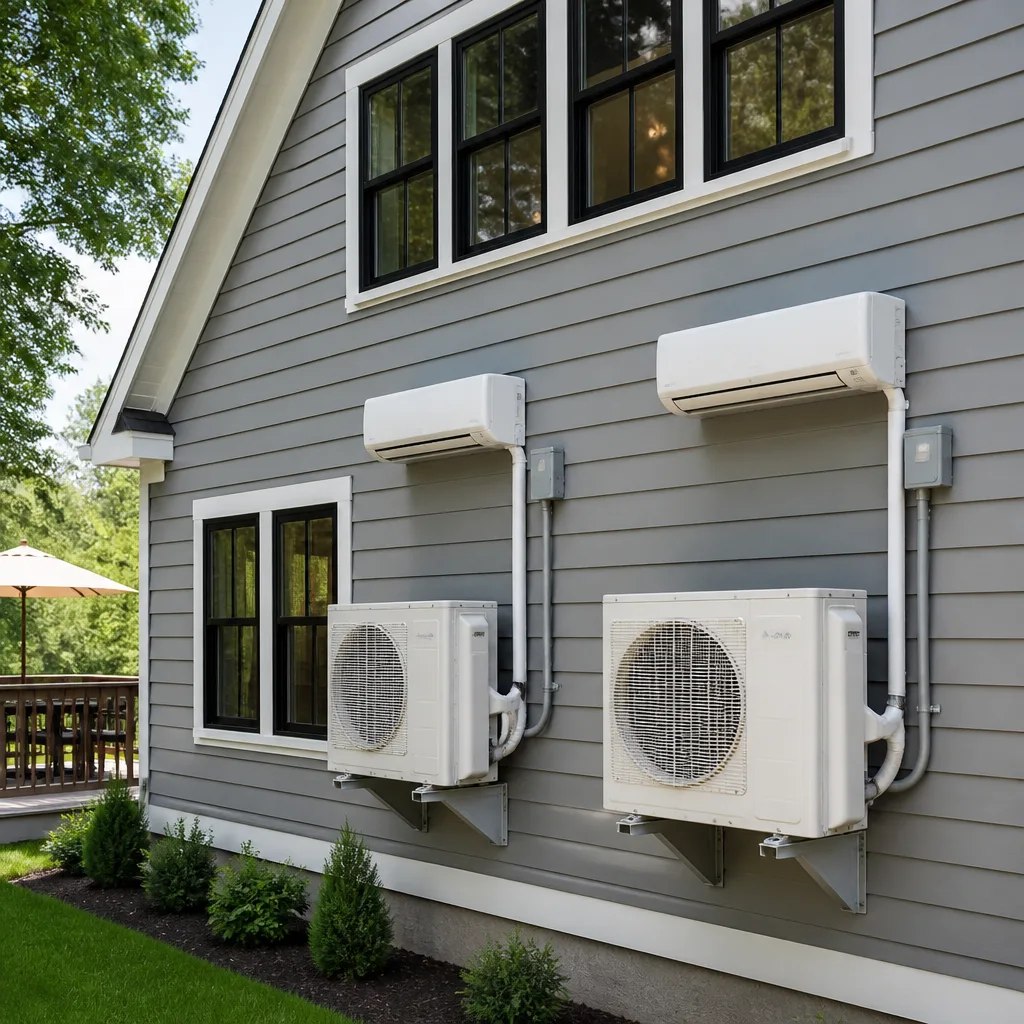 Ductless mini splits
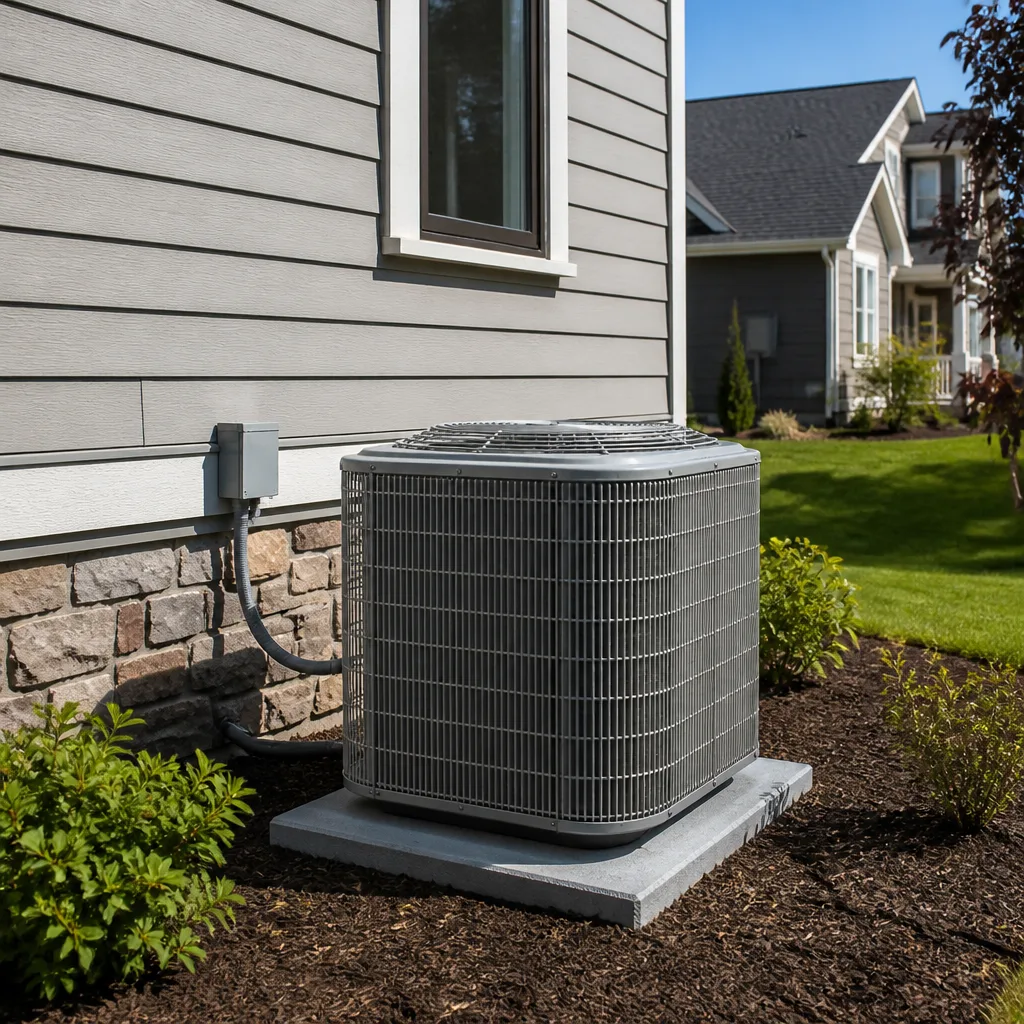 Carrier
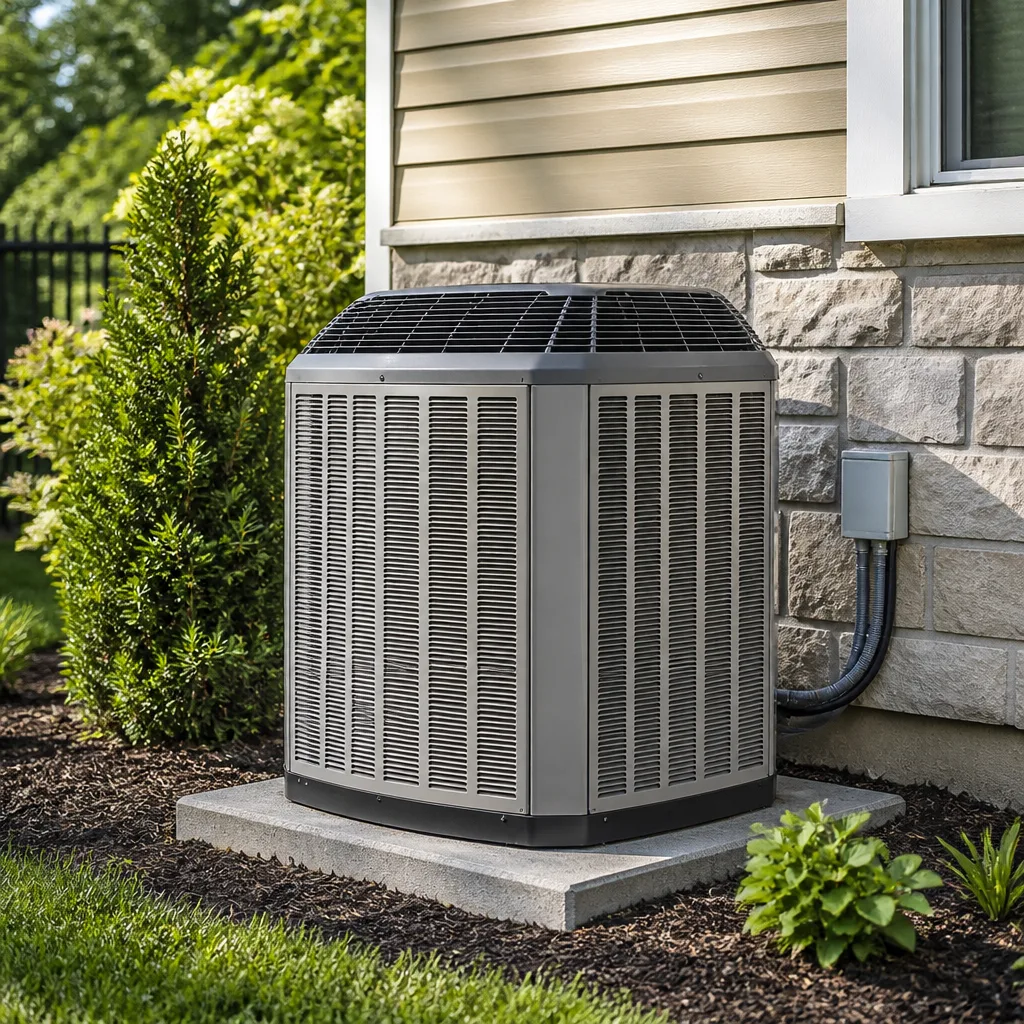 Trane
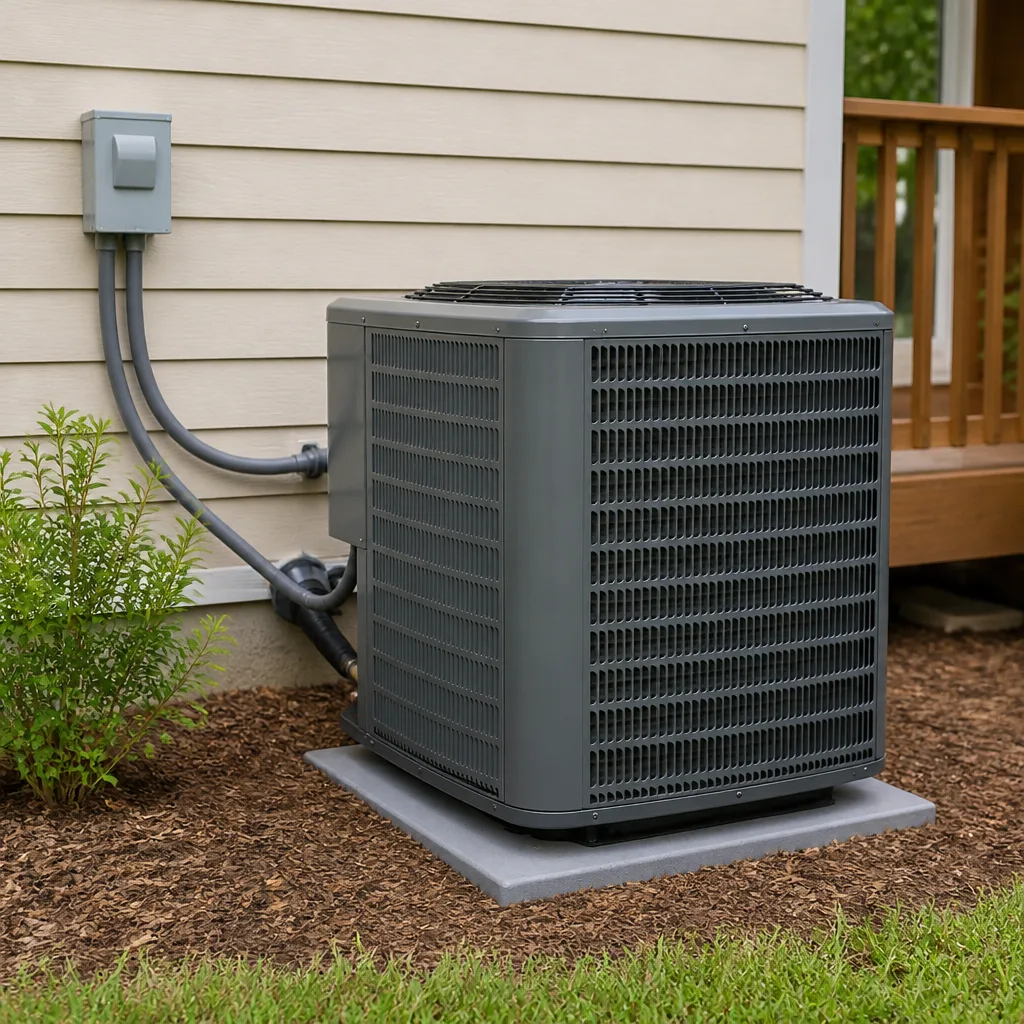 Goodman
Seasonal tune-up and full diagnostic on your Carrier, Trane, or Goodman system - readings shown to you before any repair is proposed
Diagnosis first, numbers second - you approve the repair price before a single part goes in.
Get your free estimateSeasonal HVAC Care for Deltona: Year-Round Homeowner’s Guide
The standard “spring tune-up, fall tune-up” advice assumes you’re resting your air conditioner for four months each year. In most of the country, that’s roughly true. In Deltona, it isn’t. Your system might run 300 days out of the year here, and that changes the wear math completely: the maintenance calendar that works in Ohio is the wrong calendar for a home in Deltona. This guide breaks the year into the months that actually matter in this climate, separates the tasks you can safely do yourself from the ones that need a technician on-site, and explains why a brief, mild Florida winter still has its own set of checks. Read it once, keep it handy, and your equipment will last longer than the generic advice ever told you it would.
Styles & brands we work with
- AC repair
- Furnace & heating
- Heat pumps
- Ductless mini splits
- Carrier
- Trane
- Goodman
Quick Answer
Year-round HVAC care in Deltona means front-loading cooling maintenance before March, watching the condensate drain through the September and October humidity peak, and testing the heating side in October before you need it. Cooling work runs constantly here, so filter changes, coil cleaning, and drain flushing happen more often than the national average suggests. Heating checks are brief but still necessary because Deltona’s winter does get cold enough, on some nights, to call on the system.
Table of Contents
- Why Deltona’s HVAC Calendar Looks Different
- The Month-by-Month Deltona HVAC Schedule
- March: Get Ahead of the Heat Before It Arrives
- September and October: The Humidity and Hurricane Window
- October: Test the Heat Side Before You Need It
- What’s DIY-Safe and What Needs a Technician
- Extending Equipment Life in an Eight-Month Cooling Season
- Common Mistakes to Avoid
- When to Call a Professional
- Frequently Asked Questions
- The Bottom Line
Why Deltona’s HVAC Calendar Looks Different
HVAC manufacturers build maintenance schedules around what the average American homeowner’s system does: heavy cooling from roughly June through September, a heating shoulder season through October and November, and a cold winter stretch that pushes the heat. Those assumptions are baked into filter-change intervals, coil-cleaning intervals, and the general shape of “spring and fall” service advice. In Central Florida, those assumptions don’t hold.
Here’s the reality. Cooling kicks on in March or April and doesn’t really stop until October or November. That’s a solid eight-month grind with only brief relief. The shoulder period people get in the North, where the system simply isn’t running at all for a few weeks, barely exists here. Meanwhile, the winter is mild by national standards, but not absent: Deltona will see nights that get cold enough to pull real heat from a heat pump or ignite a gas furnace, and if the heating side wasn’t checked before that first cold snap, the failure always lands on the first genuinely cold night of the year.
The math on operating hours is what matters most. A system running eight months of cooling plus a few weeks of heating logs far more compressor hours than one running a standard three-to-four-month cooling season. Deltona systems can accumulate operating hours roughly 40% faster than the national average suggests. That figure gets used as shorthand for wear: components rated for a fifteen-year life at average duty can see the equivalent of that wear far sooner if the maintenance cadence wasn’t scaled to match. It’s why a Deltona system is almost never “on schedule” against national advice. It’s ahead of it.
The Month-by-Month Deltona HVAC Schedule
Here’s the calendar we recommend for a home in Deltona. It isn’t the national generic version. It’s built around the climate here, and it assumes the cooling season dominates the year.
- January and February: Inspect the heating side once more, check the air filter, and clean the outdoor condenser of any yard debris or leaves that accumulated through the winter.
- March: Replace the filter, schedule a cooling-side tune-up, and clear the outdoor unit pad and coil fins before the first sustained heat. This is the single most important month on the calendar.
- April and May: Watch the condensate drain line for the first time in the season; if it’s slow, flush it now, before the humidity climbs. Check filter monthly.
- June and July: Peak cooling. Replace the filter on the tighter schedule your system demands, watch the indoor humidity, and listen for new noises at startup or shutdown.
- August: Coil fins get their second inspection; the outdoor unit runs hardest in August, so any drop in cooling performance is worth a call now, not later.
- September and October: The humidity and storm peak. Flush the condensate drain, check the outdoor pad for wind-blown debris, and schedule a heating-side check before cold weather.
- November and December: Verify heating works, replace the filter one more time, and do a final walkaround of the outdoor unit for any panel or mounting damage from the storm season.
Every one of these steps is a specific tool against a specific failure mode tied to Deltona’s weather. The March step is about avoiding a hot-weather surprise. The September step is about the drain. The October step is about heat-strip or furnace ignition checks you want done before the first cold night, not after.
March: Get Ahead of the Heat Before It Arrives
March is the highest-value maintenance month in Deltona. Cooling season is about to start, and any issue you overlook now will surface in June, during the busiest week of the year, when getting a technician out is harder. Doing the following before the first sustained heat wave eliminates a lot of mid-summer headaches.
- Replace the air filter. The standard “every three months” rule was written for a three-month cooling season. Here, the system runs so much that most homes do better on a 30- to 60-day filter interval during cooling season, depending on pets and dust. This is the simplest, cheapest maintenance action in the house.
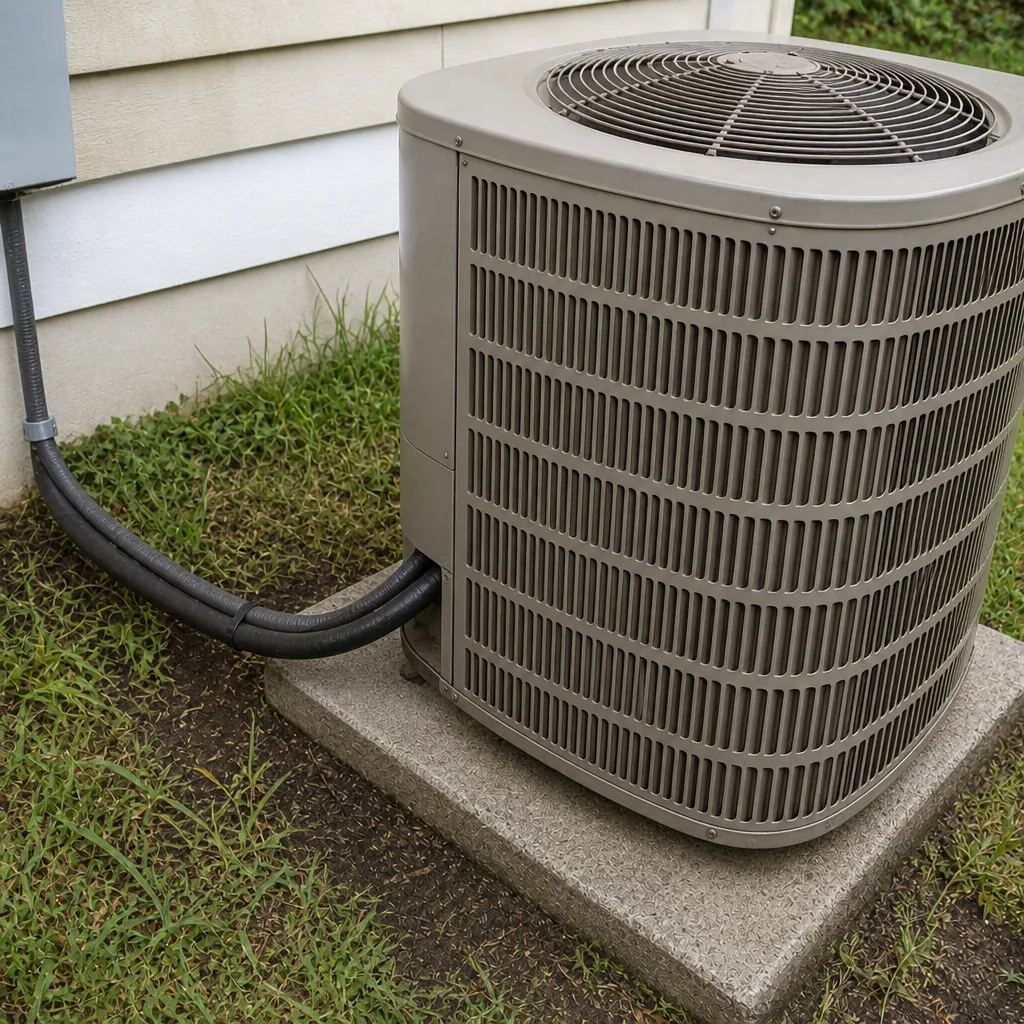
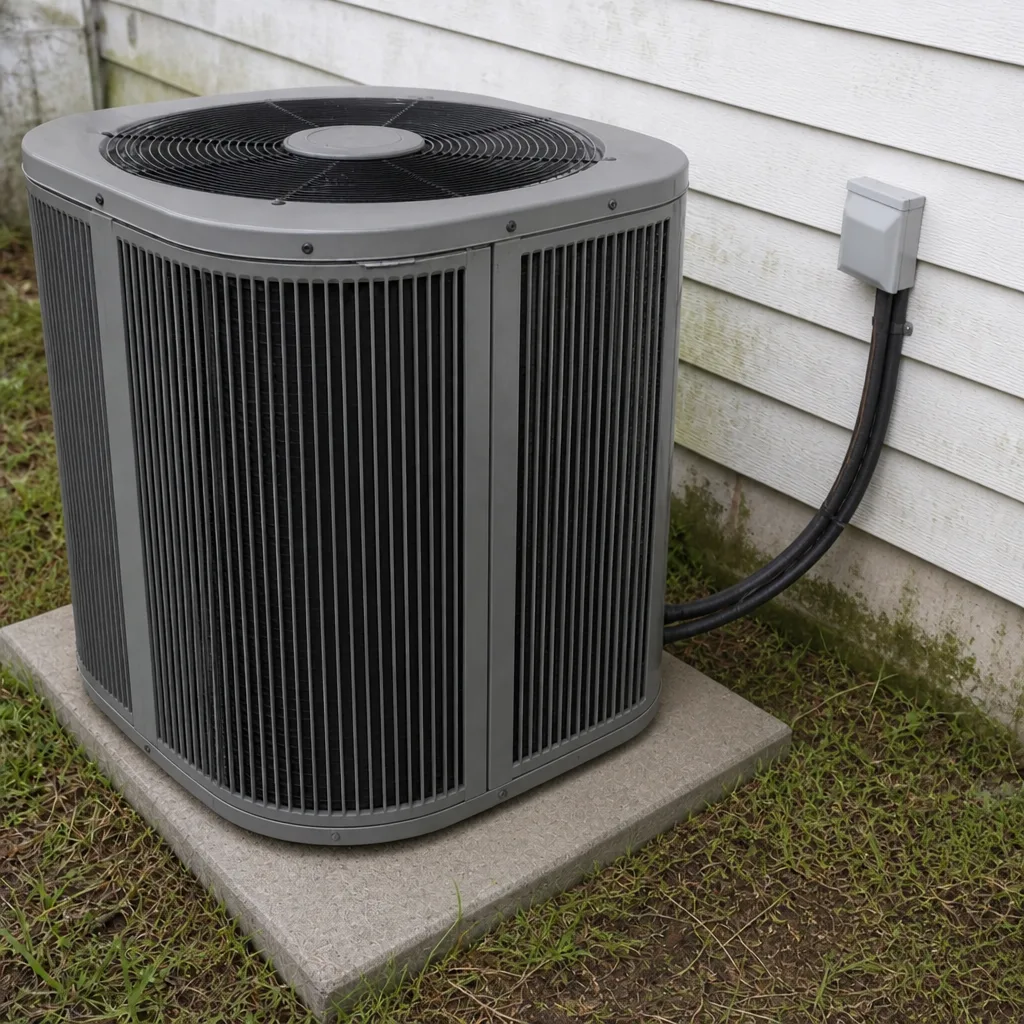
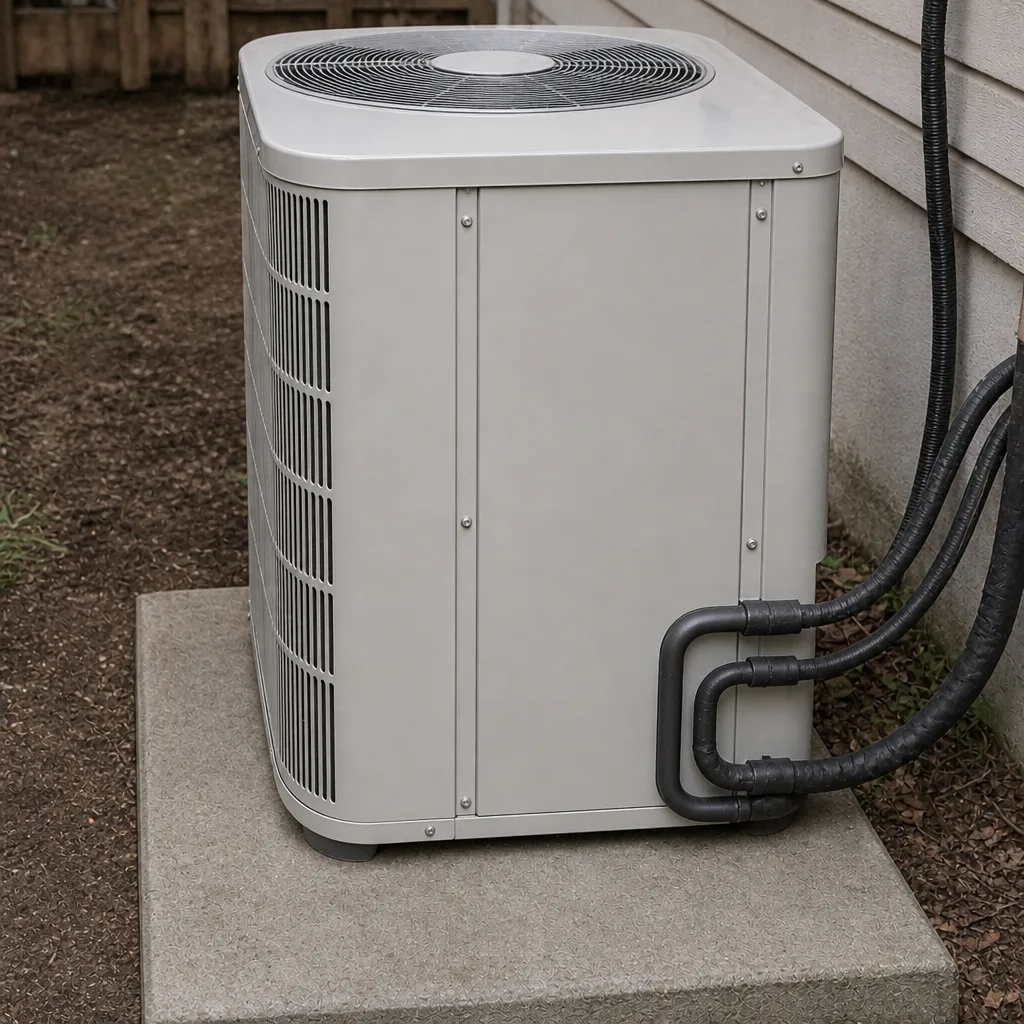
- Clear the outdoor condenser pad. Trim any shrub or grass growth that crept within about two feet of the unit during winter. Airflow is the whole game on a condenser, and blocked coils cost you efficiency every hour the system runs.
- Rinse the outdoor coil fins. A gentle garden hose rinse on the fins removes pollen and dust. Don’t use a pressure washer; bent fins are a real problem.
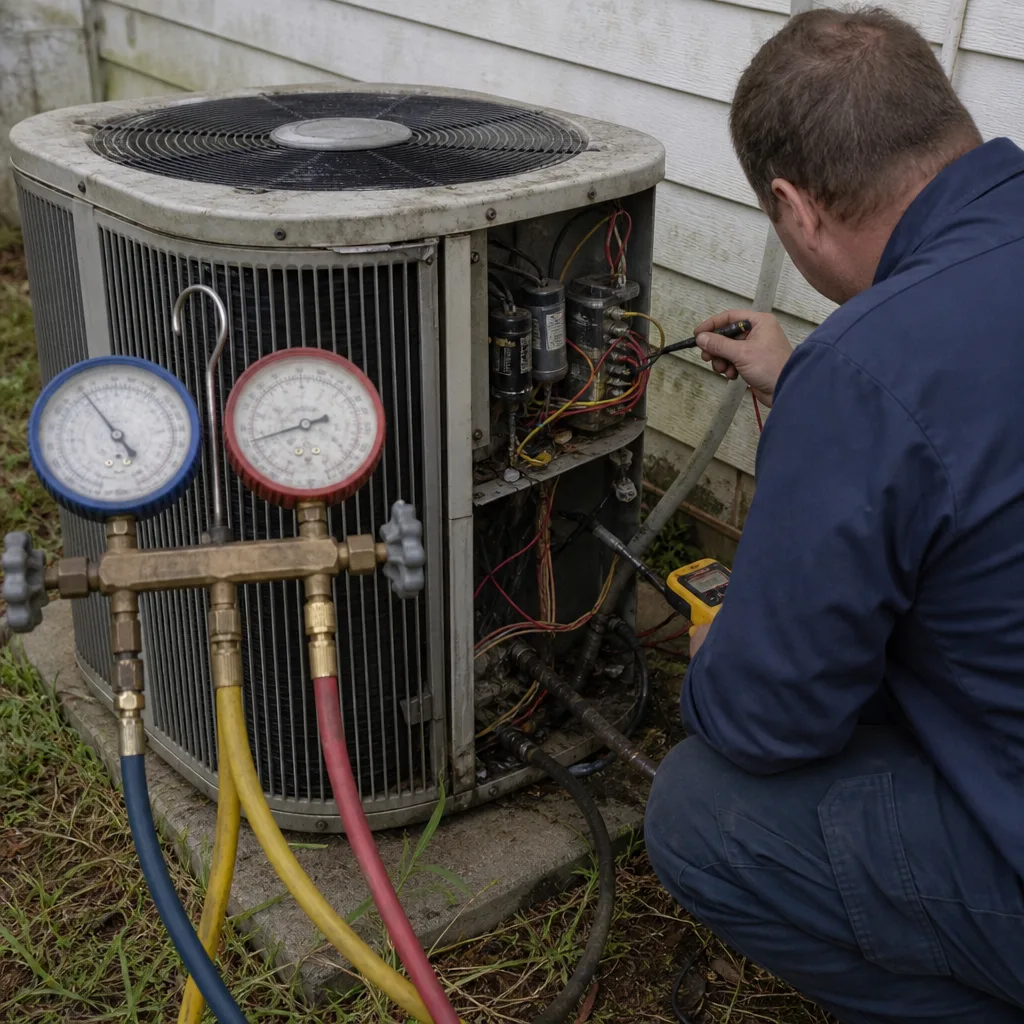
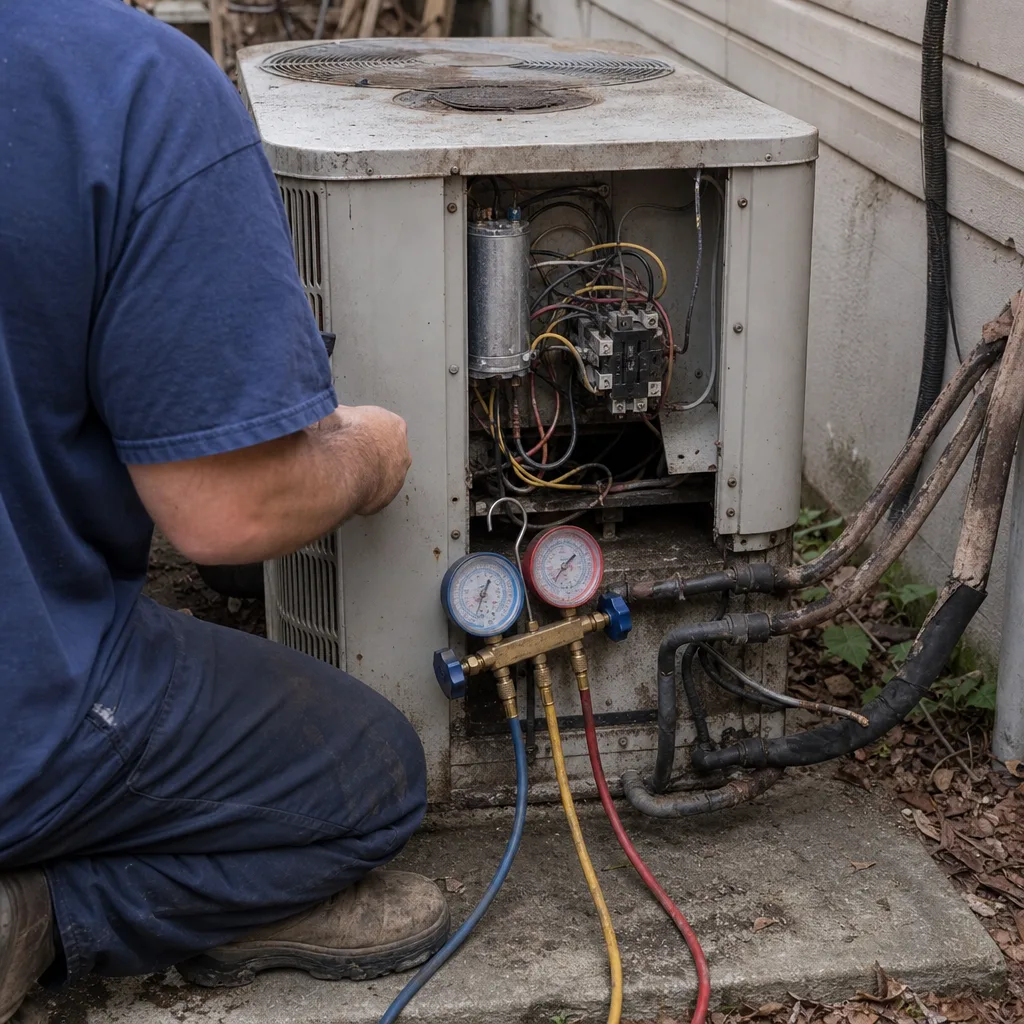
- Schedule a cooling-side tune-up. A trained technician checks refrigerant charge, capacitor health, contactor wear, blower motor draw, and coil cleanliness. Those are checks that catch failures before they bite. Our technicians have up to 12 years of experience on systems from brands like Carrier, Trane, and Lennox, so the diagnosis reflects what’s actually in front of them.
- Inspect the indoor air handler. Look for standing water in the drain pan, which can signal a slow drain line. Also listen for unusual vibration from the blower. Both are early warnings.
March is also the best month to plan a replacement. If your system is old enough that a technician has flagged declining performance, replacing in March or April means the new system is installed before the hottest stretch of year. You can read more about the full process behind AC installation if you’re weighing that decision.
September and October: The Humidity and Hurricane Window
September and October are the toughest months on a Deltona HVAC system, and not because of the temperature. It’s the humidity. In this window, indoor humidity climbs while outdoor humidity sits near saturation daily, and that combination pushes the condensate drain line harder than at any other time of year. When the drain clogs, the result is water in the air handler closet, water in the ceiling near the unit, and a wet spot on the floor that tenants and homeowners discover days after the damage started.
The condensate line deserves specific attention here:
- Flush the drain line with water or a diluted vinegar solution at the start of September, before the heaviest humidity sets in. This is a DIY-safe task and takes a few minutes.
- Check the drain pan inside the air handler for standing water. Any meaningful accumulation means the line is partially clogged and needs to be cleared or the system needs a technician.
- Know where the float switch is and confirm it is functioning. The float switch is the emergency shutoff that stops cooling when the pan fills; if it’s stuck, the pan overflows.
Storm season adds a second problem in September and October: outdoor debris. Wind-blown leaves, yard clippings, and small branches find their way into condenser coils, which reduces airflow and forces the compressor to work harder. A walkaround after any significant weather event is worth the two minutes. If the outdoor unit was physically damaged by wind or falling debris, don’t restart it blindly; call a technician.
This is also the window where indoor humidity can climb even while the AC is running. If the house feels clammy at the same temperature your thermostat always held, the issue is often airflow or a partially clogged coil, not the thermostat. We see this every year, and we also see it during repair calls related to Deltona AC Repair issues in neighborhoods around Saxon Boulevard and Providence. A technician can check static pressure and refrigerant charge to find the cause.
October: Test the Heat Side Before You Need It
Deltona’s winter is mild, but it isn’t absent. Every year, the first genuinely cold night of the season is when heating failures surface, and that’s the worst possible timing: on that first cold night, a technician’s schedule is full. Run the heat for a full cycle in October, before you need it, and you’ll find the issue while there’s still time to fix it without a scramble.
The heating side in a Deltona home usually falls into one of two categories: a heat pump with electric heat strips, or a gas furnace. Each has its own October check.
Heat pump with electric heat strips
- Set the thermostat to heat and run it for 15 minutes. You want warm air at the registers and no unusual smell (a faint dusty smell on the first run is normal; a burning or acrid smell is not).
- Listen for the outdoor unit to switch into heating mode and defrost correctly. In most systems, this happens automatically, but a failing reversing valve shows up as the system blowing cool air in heat mode.
- Check that the heat strips actually energize. The delayed response and any tripped breaker at the air handler are the classic signs of a strip problem.
Gas furnace
- Run a full heating cycle and watch for reliable ignition. Ignition failures on a gas furnace often show up in the fall because the burner hasn’t fired since the last winter and a dirty flame sensor or stuck igniter is a common culprit.
- Smell for gas around the furnace. A faint gas odor near the unit is a stop-all, call-a-professional situation. Turn off the gas supply at the valve and call for service; this is not a DIY check.
- Have a technician inspect the heat exchanger and exhaust venting before the season. Cracked heat exchangers are a safety issue and a professional-only check.
We handle the full heating side under furnace repair whenever the October test turns up a problem, including ignition failures, blower issues, and heat exchanger concerns. It’s better to find these in October than on the coldest night in January.
What’s DIY-Safe and What Needs a Technician
A clear line makes the whole calendar easier to follow. Some tasks cost nothing and carry no risk. Others are best left to a trained technician because they involve electrical components, refrigerant, or safety systems. Here’s the split, without hedging.
DIY-safe tasks
- Replacing the air filter, at whatever interval the system demands.
- Clearing vegetation, debris, and yard clippings from around the outdoor condenser.
- Gently rinsing the outdoor coil fins with a garden hose (low pressure only).
- Flushing the condensate drain line with water or diluted vinegar.
- Checking the condensate pan for standing water and confirming the float switch is not stuck.
- Running a heat cycle in October to verify the heating side operates.
- Cleaning dust and debris from supply and return registers inside the house.
Technician-only tasks
- Checking or adjusting refrigerant charge. This requires gauges, training, and EPA certification; overcharging or undercharging damages the compressor.
- Any diagnostic work on the electrical panel, contactor, capacitor, or control board. Capacitors store dangerous voltage even after power is off.
- Inspecting or replacing the heat exchanger on a gas furnace. This is a safety-critical part and requires professional handling.
- Repairing or replacing the reversing valve on a heat pump.
- Any work on the gas line, gas valve, or ignition system.
- Pulling a vacuum or adding refrigerant to the system.
- Diagnosing a refrigerant leak or a compressor issue.
The safety caveat matters. Capacitors and electrical panels can shock you even after the breaker is off, and gas appliances have consequences that go past discomfort. A trained technician is the only person who should be inside these systems. We’ll always tell you when a task is on the homeowner side; we’ll also tell you clearly when it isn’t.
Extending Equipment Life in an Eight-Month Cooling Season
The biggest lever in a Deltona homeowner’s control isn’t the brand of equipment; it’s the maintenance cadence. A Carrier or Trane condenser that sees a monthly filter change, a clean coil, and an annual tune-up outlasts the same system that gets a filter change twice a year and no tune-up. That’s true everywhere, but the gap grows in a climate where the system runs 40% more hours than the national average.
Here’s what actually extends equipment life:
- Filter on schedule, not on memory. Mark a calendar. In cooling season, 30 to 60 days is realistic for most Deltona homes. A clogged filter raises system static pressure and makes the blower and compressor work harder every hour of the day.
- Keep the outdoor coil clean. Pollen season, yard work, and storm debris all collect in those fins. A dirty coil means the system runs longer to hit the set point, which adds hours to the compressor.
- Flush the condensate drain before humidity season. A clogged line doesn’t just cause water damage; it can trip the float switch and shut the system down. The fix for a clogged line is ten minutes; the fix for a flooded ceiling is far worse.
- Schedule one annual tune-up on the cooling side and one seasonal check on the heating side. Every major brand we work on (Goodman, Lennox, Rheem, and the rest) has its own quirks. A trained technician catches the small stuff before it becomes a call in July.
- Don’t ignore a small issue. An AC that’s “almost keeping up” in April becomes an AC that fails in July. The diagnostic work is easiest when the problem is young.
If your system is already older and you’re weighing repair against replacement, that’s the moment to have an honest conversation. We work on the same nine major brands (Carrier, Trane, Lennox, Goodman, Rheem, York, Daikin, Bryant, and American Standard) and we don’t push a brand you didn’t ask for. If a fix is worth doing, we’ll say so. If replacement makes more financial sense, we’ll say that too. You can read more about the local context for these decisions on our Deltona page.
Common Mistakes to Avoid
- Following a national maintenance calendar in a Deltona home. Generic “spring and fall tune-up” advice assumes four months of cooling rest; your system doesn’t get that. Build the calendar to fit the 40% extra operating hours instead.
- Skipping the October heat test. Deltona winters are mild, but not absent, and the first cold night is when a heating failure cuts deepest. Test in October, not in January.
- Ignoring the condensate drain until it clogs. The drain is a two-dollar flush in September and a four-figure repair if it overflows into a ceiling. Do the flush.
- Letting yard work push leaves into the outdoor unit. Mowing, hedge trimming, and storm cleanup all send debris toward the condenser. Two feet of clearance and a rinse after each cleanup preserves airflow.
- Replacing the filter on the “every three months” label. That label was written for a mild-climate cooling season. In Deltona, the more realistic interval during cooling season is closer to 30 to 60 days.
- Trying to “top off” refrigerant yourself. Refrigerant handling requires EPA certification and proper gauges, and a wrong charge damages the compressor. This is the fastest way to turn a small repair into a replacement.
- Assuming a brief winter means “no heat needed.” It means “no heat needed most nights.” That’s different, and the check still belongs on the calendar.
When to Call a Professional
Some situations warrant a technician on-site. Call when the AC is running but not keeping up, especially when the outdoor unit keeps running without the house cooling; that’s a classic low-refrigerant or failing compressor sign. Call when you see standing water in the condensate pan or water damage near the air handler; the drain may be clogged beyond a simple flush, or the float switch may have tripped. Call when the system short-cycles, when the outdoor unit trips the breaker repeatedly, or when you smell refrigerant near the indoor or outdoor unit. Call when the October heat test fails, when the igniter won’t fire, or when you smell gas anywhere near the furnace. And call when the system is old enough that you’re weighing repair against replacement; the honest conversation is worth having before the system fails on a hot afternoon.
Deltona AC Repair offers free estimates in Deltona. Call (888) 850-1463. We answer 24/7, and fast dispatch from 7am to 7pm runs Sunday through Friday.
Frequently Asked Questions
Every 30 to 60 days during cooling season for most Deltona homes, and every 90 days in the brief cooler months. The “every three months” label on most filters was written for a shorter cooling season; systems running eight months of cooling here need the tighter interval. If you have pets or notice dust returning quickly, stay at the short end of that range.
Yes. Deltona winters are mild but not absent, and the first cold night is when heating failures surface. A 15-minute test in October catches heat-strip or furnace ignition problems while there’s still time to fix them without a scramble. Call (888) 850-1463 if the test turns up anything.
Flush the drain line with water or diluted vinegar at the start of September and check it again after any period of sustained humidity. Also confirm the float switch is not stuck; that’s the emergency shutoff that stops cooling if the pan fills. If water is already in the pan, the line needs to be cleared or a technician called.
Because they run more. An eight-month cooling season plus a brief heating season pushes annual operating hours roughly 40% higher than the national average suggests. Compressors, blower motors, and capacitors all accumulate wear based on hours of use, so keeping the maintenance cadence tight is the only way to close that gap.
It depends on the cost of the repair against the remaining life of the equipment, and on whether the repair is on a component that’s already near end of life. Every case is different, and the honest answer requires looking at the system itself. We’ll tell you which one actually makes sense after we’ve diagnosed it; call (888) 850-1463 for a free estimate.
You can safely handle filter changes, coil rinses, condensate drain flushes, and heat-cycle tests. Anything involving refrigerant, the electrical panel, capacitors, the control board, heat exchangers, or the gas side requires a trained technician. Capacitors store dangerous voltage even after power is off, and gas appliances are a safety issue, not a DIY check.
The Bottom Line
Deltona’s HVAC year isn’t built on four equal seasons. It’s an eight-month cooling grind, a brief shoulder period, and a mild winter that still asks the heating side to show up on a handful of cold nights. Scale your maintenance calendar to that reality: filter changes every 30 to 60 days in cooling season, filter and coil checks before March, a condensate drain flush in September, and a heat test in October. Keep the outdoor condenser clear, and schedule one annual tune-up before the heat arrives. Those steps are what close the gap between the national average and the roughly 40% extra hours your system actually logs. When something looks wrong, get it diagnosed early. We work on the brand you already own, and we’ll tell you honestly whether a repair or a replacement makes sense.
Call (888) 850-1463 for a free estimate. We answer 24/7. Fast dispatch from 7am to 7pm, Sunday through Friday.
Written by the team at Deltona AC Repair.
See the difference
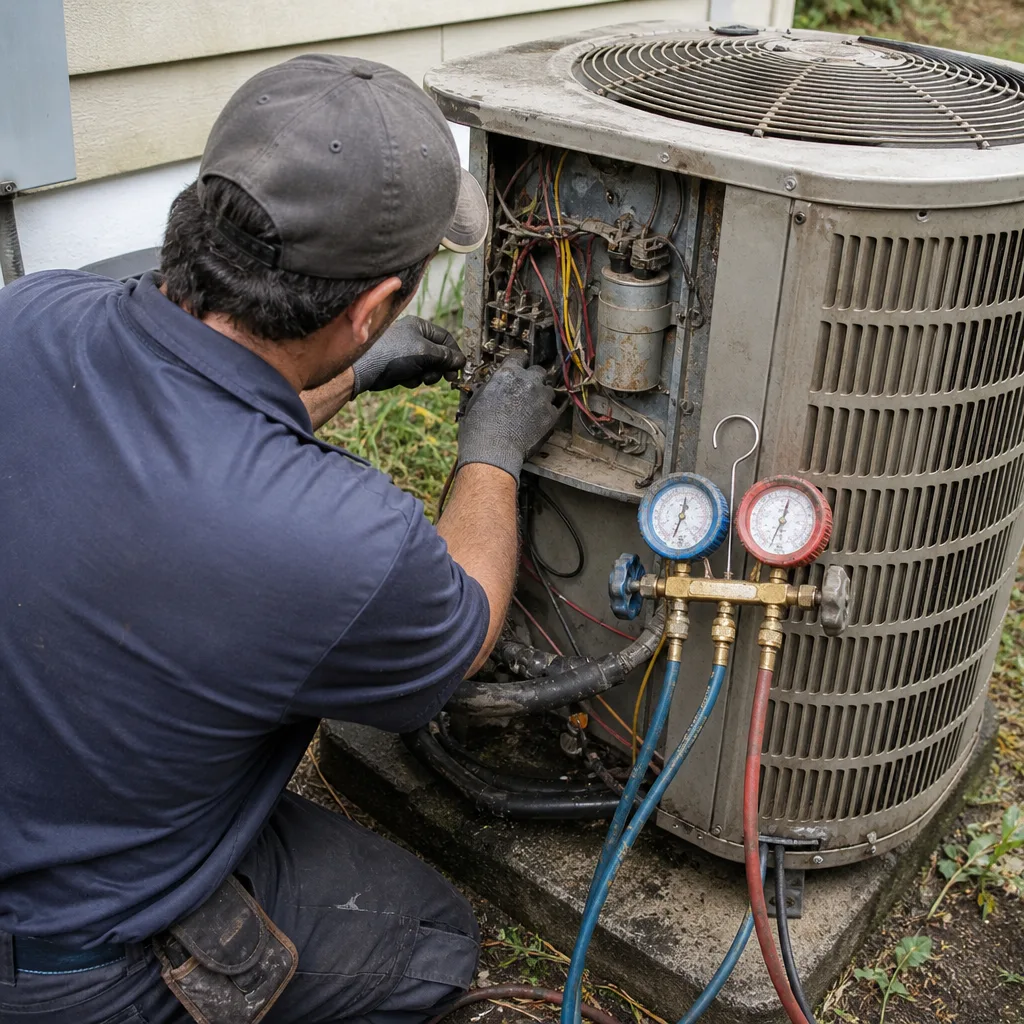 Before
 After
 Before
 After
 Before
 After