
Last updated November 16, 2026
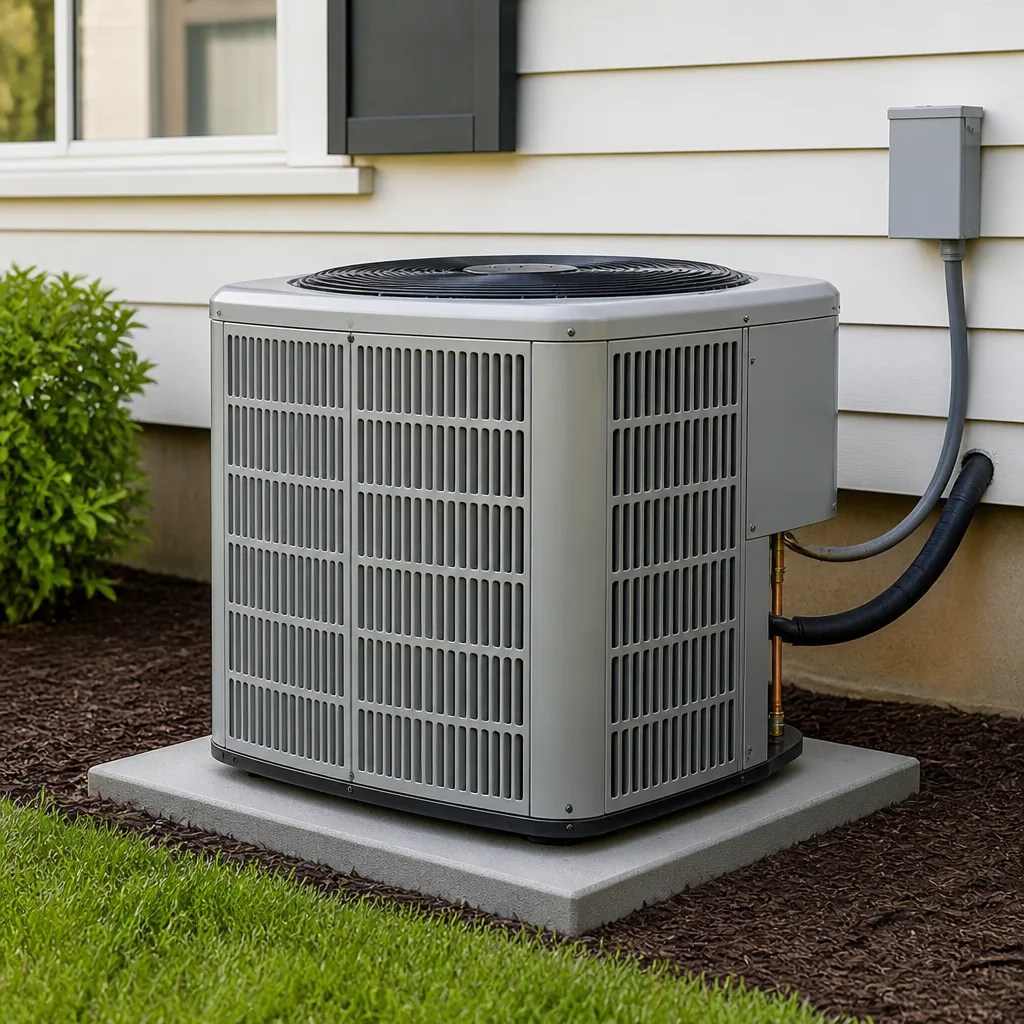 AC repair
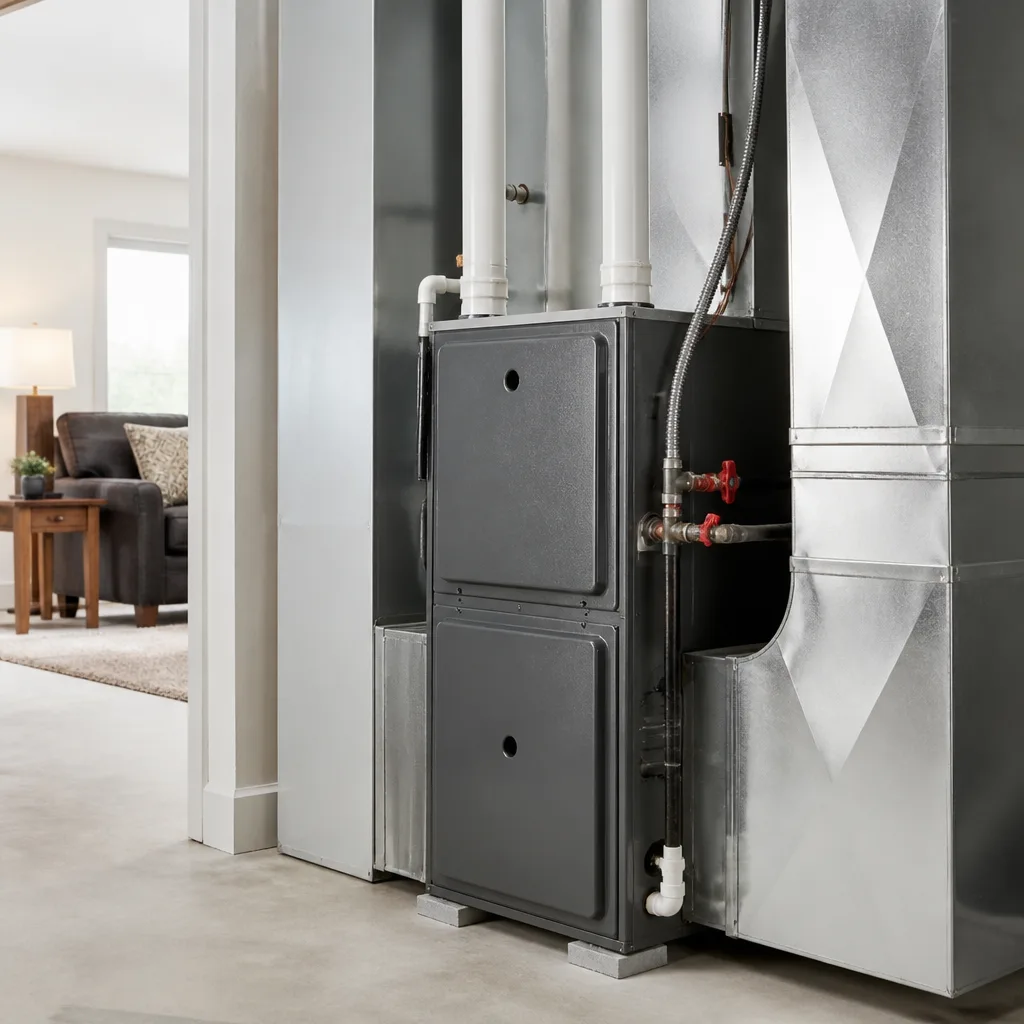 Furnace & heating
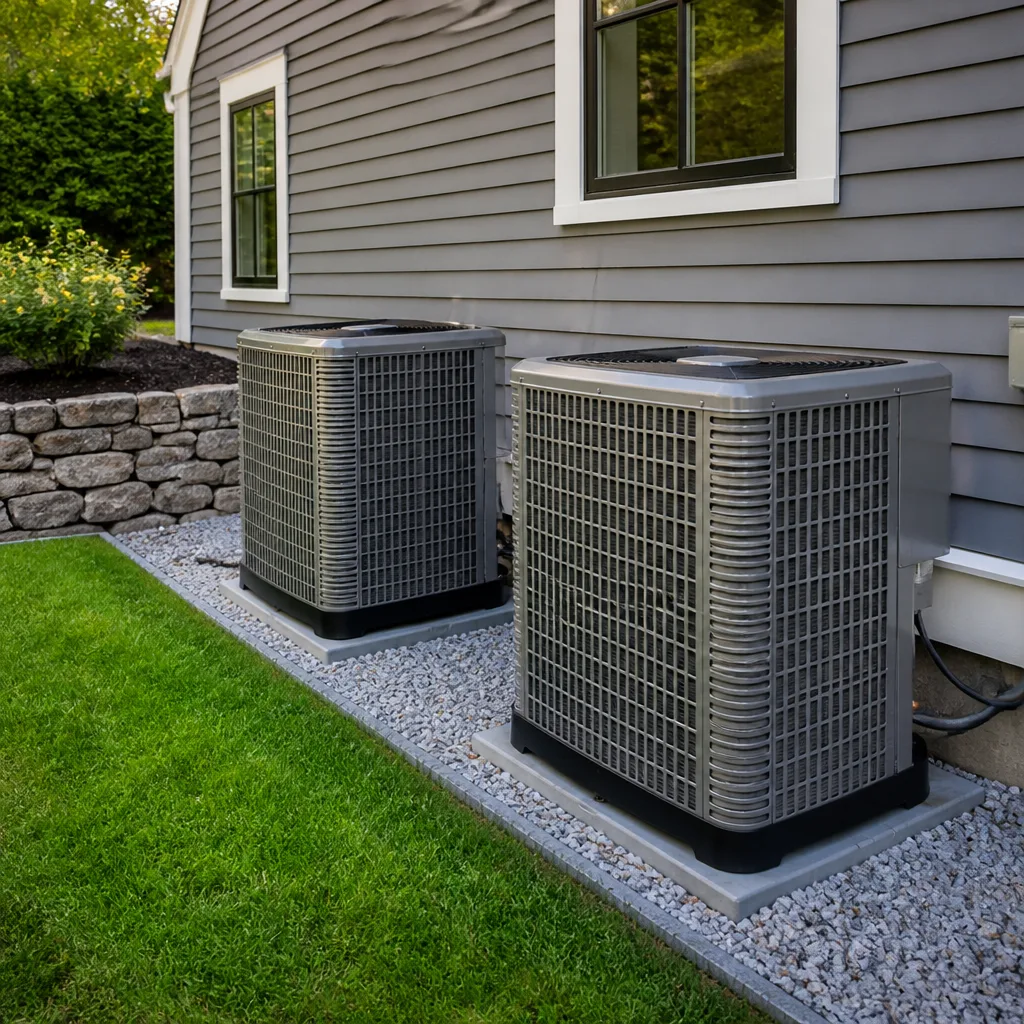 Heat pumps
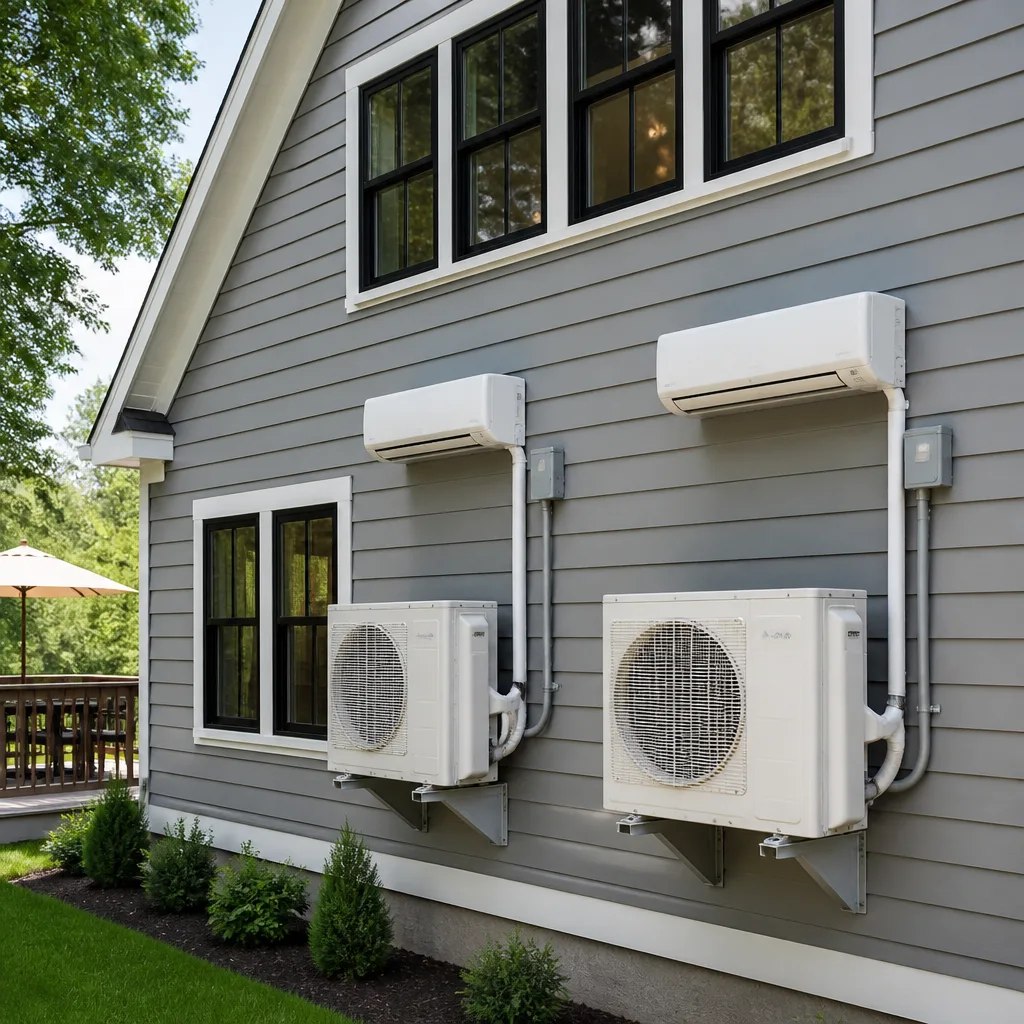 Ductless mini splits
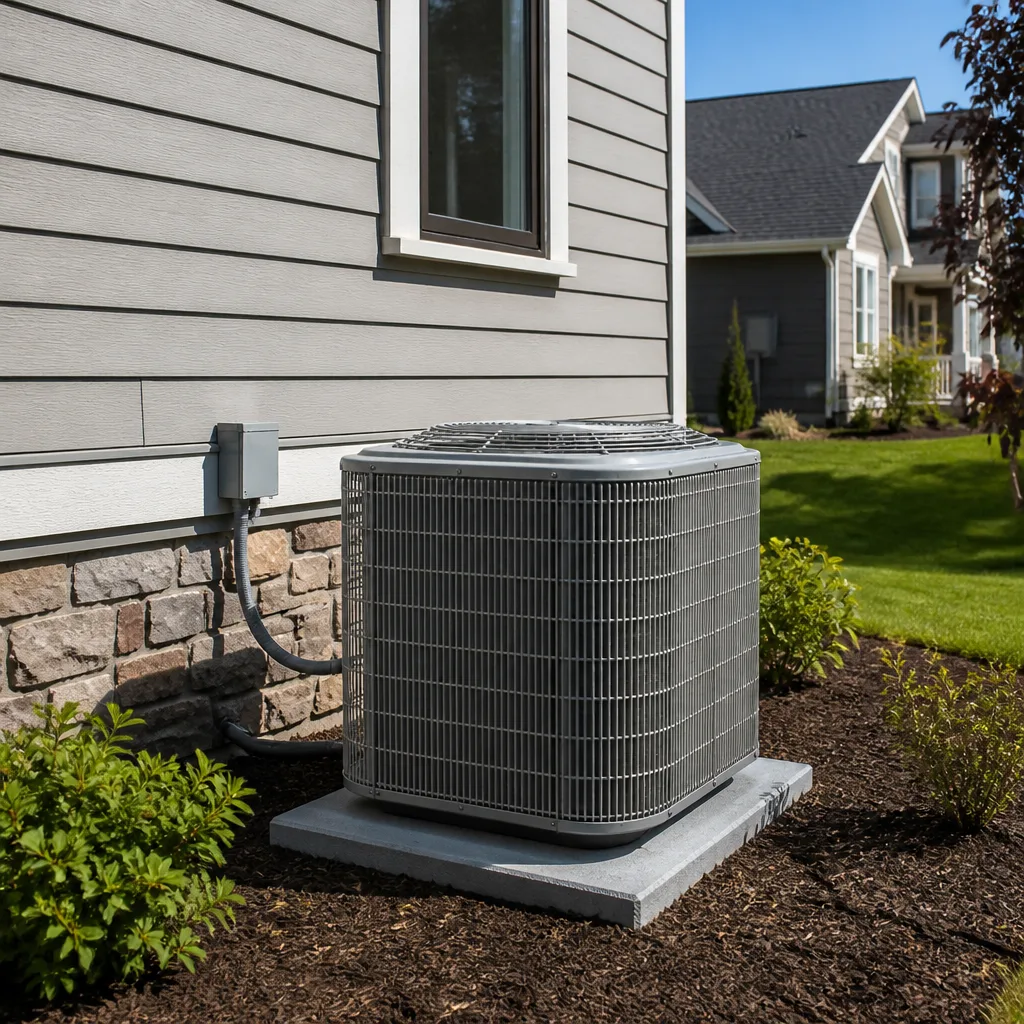 Carrier
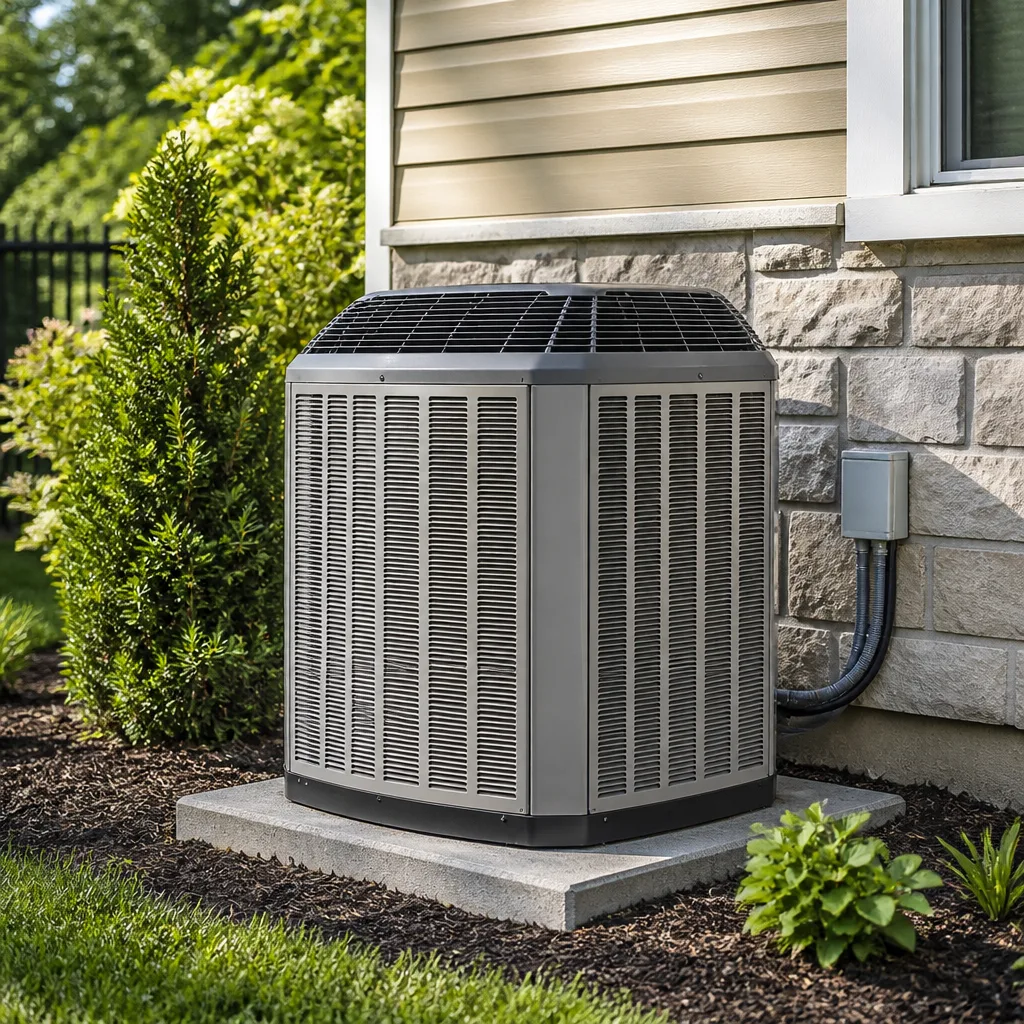 Trane
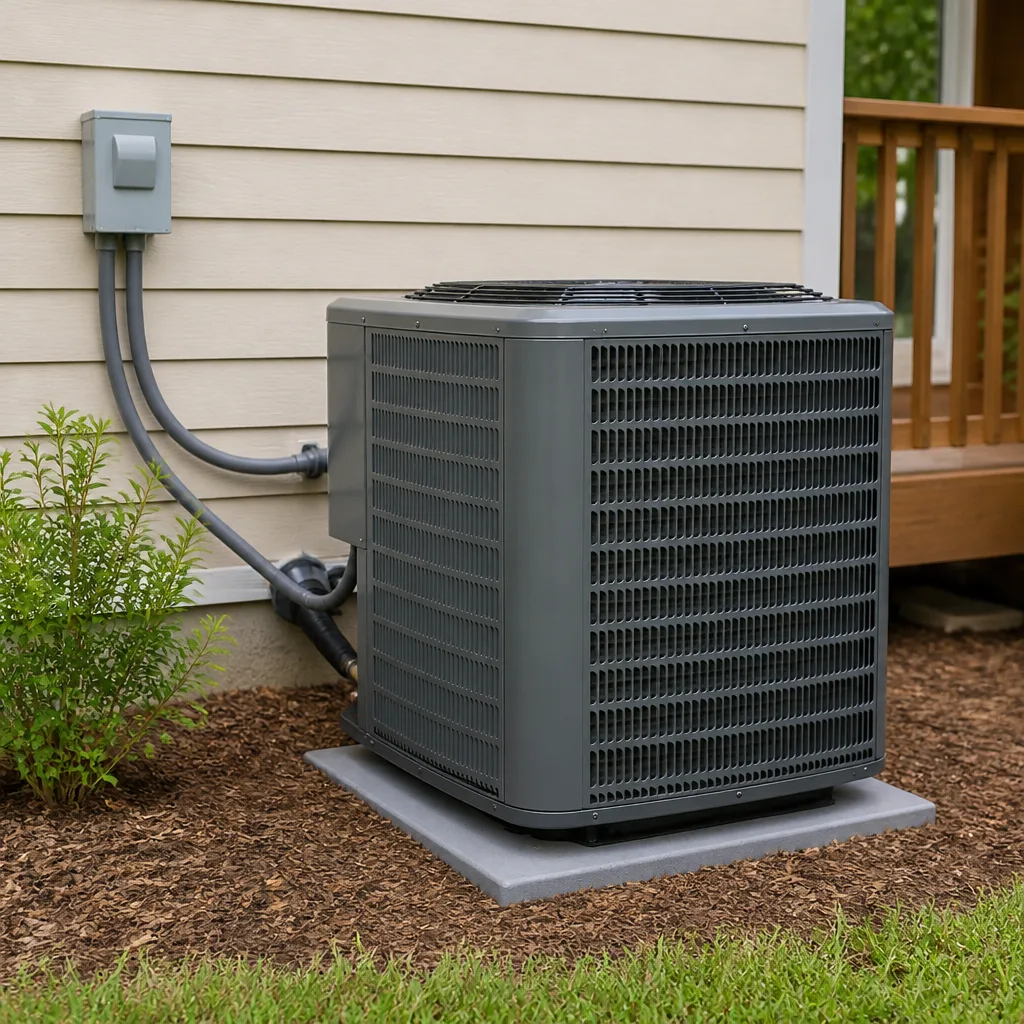 Goodman
Seasonal tune-up and full diagnostic on your Carrier, Trane, or Goodman system - readings shown to you before any repair is proposed
Diagnosis first, numbers second - you approve the repair price before a single part goes in.
Get your free estimateHVAC Emergency Preparedness Guide for Deltona Homes
Most homeowners treat an AC failure like a car problem – something you deal with once it happens. In Deltona, that approach is a gamble. Between July and August, when overnight lows barely dip below the high 70s and afternoon heat indexes climb well past 100°F, a failed cooling system can push indoor temperatures above 90°F in two to three hours in a well-insulated home. And hurricane season adds a second layer: even a working HVAC system is useless when the power is out for days. This guide covers both scenarios – the heat emergency and the storm-recovery emergency – so you have a plan before you need one.
Quick Answer
HVAC emergency preparedness in Deltona means three things: a plan to slow heat buildup during an AC failure while help is on the way, a phone number you’ve already saved so you’re not searching Google in a sweltering house, and a post-hurricane checklist for restarting your system safely after power returns. The biggest risk in Deltona isn’t a rare mechanical failure – it’s waiting until a July afternoon to figure out what to do.
Styles & brands we work with
- AC repair
- Furnace & heating
- Heat pumps
- Ductless mini splits
- Carrier
- Trane
- Goodman
Table of Contents
- How to Slow Heat Buildup When Your AC Fails in Deltona
- What Information to Have Ready Before You Call
- How to Tell Which HVAC Contractors Actually Respond
- Generator Sizing Reality for Running an AC Unit
- Post-Hurricane HVAC Checklist Before Restart
- When the Furnace Fails: Deltona’s Short Cold Snap
- Building a Year-Round Readiness Calendar
How to Slow Heat Buildup When Your AC Fails in Deltona
The single most effective thing you can do before a technician arrives is control solar gain. In Deltona, most homes were built with single-pane or early dual-pane windows, and west- and south-facing glass turns into a heat engine from roughly noon to 5 PM. Closing blinds, drawing curtains, or hanging a light-colored sheet over those windows can hold the indoor temperature several degrees cooler for the first few hours – enough to keep a room from becoming dangerous while you wait.
After window management, work through these steps in order:
- Isolate one room as your cool zone. Pick the smallest interior room with the fewest windows – often a bathroom, interior closet, or hallway. Darken it completely, put a fan in it, and spend your time there. Cooling one 80-square-foot space is far easier than trying to cool a whole house with fans.
- Run box fans and ceiling fans, but not all at once in every room. A fan moving air across your skin feels several degrees cooler than still air. Run fans only in rooms you’re actually using, and set ceiling fans to run counterclockwise in summer.
- Close off unused rooms. Shut doors to bedrooms, laundry rooms, and any space you aren’t in. Every cubic foot of air you’re not trying to move is energy saved.
- Cook nothing hot. Skip the oven and stove. Use the microwave or eat cold food. A running oven in a closed kitchen can raise that room’s temperature noticeably.
- Take a cool shower or apply a damp cloth to your neck and wrists. This is the fastest way to cool your core temperature, which matters more than the room’s air temperature.
- Watch for heat illness signs. Confusion, headache, nausea, and stopped sweating are emergencies. If anyone in the home shows these signs, call 911 – don’t wait for the HVAC technician.
What these steps won’t do is replace a working system. In our experience, homeowners in Deltona who take these measures buy themselves a safer few hours, not a solution. For the repair itself, our team at Deltona AC Repair handles diagnostics and repair across the city – and it’s worth saving that number now rather than later.
What Information to Have Ready Before You Call
A dispatcher who knows your system’s age, brand, refrigerant type, and the error code on your thermostat can send a technician prepared for that specific system. A dispatcher who only knows “my AC isn’t working” has to guess – and guessing wastes time in a Deltona July.
Before you dial, write down or have ready:
- System age and brand. “Twelve-year-old Lennox” or “eight-year-old Goodman” tells the dispatcher what parts and refrigerant the technician likely needs. Over time, refrigerant transitions have made older equipment (R-22) need specialist handling that newer equipment (R-410A) doesn’t.
- Thermostat error codes. Modern thermostats display two- or three-character codes. Read them exactly. Don’t paraphrase “E4” as “an error.”
- Circuit breaker status. Check the outdoor unit’s breaker and the air handler’s breaker. If either has tripped, reset it once and note whether it trips again. If it trips twice, stop resetting – that’s a signal, not a coincidence.
- Whether the outdoor fan is running. A running fan with warm air inside points to a different problem than a stopped fan.
- Whether ice is visible. Ice on the refrigerant lines or the indoor coil is a symptom you should report. Do not attempt to chip it off.
- Any recent work. If someone serviced the system in the past week, say so – it changes what the technician checks first.
One more item: your address and gate code if you have one. In Deltona’s gated communities, a technician who can’t get through the gate costs you cooling time. Have that detail ready when you call.
How to Tell Which HVAC Contractors Actually Respond
Plenty of HVAC companies list “24/7 emergency service” on their website. In Deltona and across Central Florida, that phrase covers a wide range of actual behavior, and the difference between a real dispatch and a voicemail box usually becomes clear only when you call. Since our phone line is answered around the clock and dispatch runs during the day, we think it’s worth telling you how to sort through the rest.
Here’s how to tell the real ones from the listings:
- Call before you have an emergency. Pick a calm afternoon, call the number, and ask a simple question: “If my AC fails tonight, who answers the phone?” The answer tells you whether the after-hours line rings a live person, a call center that will route you, or a voicemail box.
- Ask whether the person answering can dispatch a technician. A CSR at a call center may take your info but not schedule anyone. Ask directly: “Can you book a technician right now for tomorrow morning?”
- Ask how the dispatcher handles an evening call. The honest answer is that a call outside dispatch hours gets booked into the next opening. That’s a clear, workable answer. Vague assurances like “we’ll definitely get someone” usually mean the office isn’t sure.
- Check whether they know your brand. If you have a Rheem, a York, or a Bryant system, ask whether the technician is familiar with that equipment. A generalist handyman without brand-specific experience is guessing at your system’s layout.
- Ask what the visit will cost. A free estimate and a clear scope of work is the fair answer. Any fee should be stated before the technician arrives, not afterward.
Technicians on our team are trained across Carrier, Trane, Lennox, Goodman, Rheem, York, Daikin, Bryant, and American Standard – so whether we’re dispatching for a repair or scheduling an AC installation, the technician arrives knowing the system in front of them.
Generator Sizing Reality for Running an AC Unit
A portable generator rated at 5,000 to 7,500 running watts cannot run a central AC unit. A whole-home standby generator sized for a typical Deltona home – often 20,000 to 26,000 watts – can, but those systems are sized to the home’s full electrical load, not just the AC. The gap between what the average homeowner assumes and what actually starts a compressor is wider than most people realize.
What the numbers actually tell you:
- Starting watts matter more than running watts. A 3-ton AC unit might draw around 3,500 running watts but spike to 10,000 or more on startup. A portable generator sized to the running load will trip on startup every time.
- A soft-start kit can lower the starting surge. These kits reduce the compressor’s startup spike and can make an AC unit more generator-compatible. Whether yours supports one depends on the equipment – it’s a conversation, not a universal fix.
- A window unit is the realistic portable-generator solution. A single 8,000 BTU window AC unit runs on modest wattage and cools one room. In a Deltona home after a storm, that one room is often the difference between manageable and desperate.
- Whole-home standby sizing is a load calculation, not a guess. Sizing depends on square footage, AC tonnage, appliances, and what you actually want to run. Any installer who quotes a size without walking your panel is skipping a step.
We handle AC installation and service across Deltona and surrounding communities, and this is a topic worth discussing with the tech who is already familiar with your system. For the wider Deltona service area, call us and we’ll talk it through.
Post-Hurricane HVAC Checklist Before Restart
Powering up a flooded, debris-damaged, or water-logged HVAC system can cause secondary damage that your insurance company may not cover – including fires, compressor failure, and electrical shorts. The order of operations after a storm matters as much as the storm itself.
Before you touch the thermostat, work through this checklist:
- Check the thermostat is off before power returns. If the system was running when the power died, leaving it “on” means it will try to restart the moment utility power returns, no matter what condition it’s in.
- Inspect the outdoor unit for standing water or debris. If water is pooled around the base, leaves are packed into the fan grille, or the unit has shifted on its pad, don’t turn it on. Photograph the condition before touching anything.
- Check for water intrusion at the air handler. If the air handler sits in a garage or on an interior closet wall and shows any water staining, moisture, or a musty smell, leave the breakers off and call for service.
- Look at the refrigerant lines. Refrigerant lines that have been bent, kinked, or torn need a professional inspection. Refrigerant under pressure is dangerous; do not attempt to straighten or repair anything yourself.
- Reset breakers one at a time and watch. If the outdoor unit’s breaker trips on the first try, stop and call. A tripping breaker after a storm often signals water in electrical components, not a simple reset issue.
- Document condition before calling. Photos and notes help your insurance claim and your service technician.
One point of caution: if you have any doubt about whether water entered the electrical panel or the unit itself, leave the power off. Electrical components and water are a hazard that calls for a trained technician, not a homeowner inspection.
When the Furnace Fails: Deltona’s Short Cold Snap
Deltona winters are mild, but the occasional frost warning in January or February can make an aging furnace’s failure genuinely uncomfortable for a household used to short sleeves. Fewer Deltona homeowners have recent experience with a furnace failure than with an AC failure, which can make it feel more urgent than it is.
What matters when your heat stops:
- Check the thermostat first. It sounds obvious, but thermostat settings, batteries, and schedule overrides account for a surprising share of “my heat is broken” calls.
- Check the furnace power switch and breaker. Furnaces often have a dedicated power switch near the unit; a switch flipped off, or a tripped breaker, will stop everything.
- Note any error code on the control board. Most modern furnaces flash a diagnostic code when a fault occurs. If you can safely read the code on the unit’s inspection window, write it down for the technician.
- Never open the furnace cabinet to inspect a gas line or flame sensor yourself. Furnace work involves gas lines and combustion – that’s a job for a trained professional, not a weekend project.
We handle furnace repair as well as furnace replacement, so when a heat failure hits in the middle of a cold snap, the conversation stays in one place. If your furnace is old, it’s worth having that replacement-versus-repair conversation on your terms, not in the middle of a cold night. And if you’re looking for local service across the broader Deltona community, the team can help there too.
Building a Year-Round Readiness Calendar
HVAC emergencies in Deltona aren’t random. They cluster around two seasons: the July-August heat peak, when cooling systems run hardest, and the June-November hurricane season, when storms threaten power and equipment in equal measure. You can schedule preventive checks to line up with those windows.
A reasonable calendar:
- February or March: Pre-summer AC inspection. Have the filter, coils, and refrigerant charge checked before the first heat wave. Catching a failing capacitor or a weak contactor in March is much cheaper than catching it in July.
- May: Storm-season readiness. Test your generator if you have one, photograph your HVAC equipment for insurance records, and confirm your thermostat has battery backup.
- October or November: Pre-winter furnace check. Even in a mild climate, an aging furnace benefits from a check before the first cold snap.
- Year-round: Filter changes. In Deltona’s climate, a dirty filter strains the system year-round. Check it monthly during heavy-use months and replace it when it’s visibly soiled.
If you’re unsure when your system was last inspected, or you’ve moved into a home in Deltona and don’t know your system’s history, a check is a reasonable place to start. Call and we’ll talk through what makes sense.
Common Mistakes to Avoid
- Waiting until the house is hot to look up a phone number. Searching for an HVAC technician from a 95°F house is stressful and leads to rushed decisions. Save a number before you need it.
- Resetting a tripping breaker more than once. If a breaker trips twice in a row, the circuit is telling you something is wrong. Reset it once, note whether it trips again, then call.
- Assuming a portable generator will run the central AC. The starting watts of a compressor are far above what a portable will handle. Plan for a window unit or a cool room instead.
- Powering up a flooded system after a storm. Water and electrical components don’t mix. A flooded air handler should be inspected before it’s switched back on, and a photo of the condition helps your insurance claim.
- Opening a furnace cabinet to “just take a look.” Furnace internals involve gas and combustion. A trained technician handles those components; a homeowner shouldn’t.
- Picking a company based solely on a website claim of “24/7 service.” Call the number on a calm day and see who answers. That’s the real test.
- Letting a known-weakening system go into summer without a check. A system that struggles in spring will fail in July. A check now is easier than an emergency later.
See the difference
 Before
 After
 Before
 After
 Before
 After
When to Call a Professional
Call for a technician when your AC or furnace has stopped working and simple checks (thermostat, filter, breaker reset once) haven’t brought it back; when you see ice on refrigerant lines, smoke, or a burning smell; when water is visible around the air handler; when a furnace is making unusual noises or showing an error code; and when a storm has passed through Deltona and you don’t know whether your system is safe to restart. For gas furnace issues or anything involving the electrical panel, don’t attempt a home repair. Deltona AC Repair offers free estimates in Deltona, and estimates are free – call (888) 850-1463.
Frequently Asked Questions
A well-insulated Deltona home can reach 90°F indoors within two to three hours during a July or August afternoon. Indoor temperatures track the outdoor heat index; in the peak of summer, that means a home without cooling reaches dangerous levels quickly, especially for older adults, young children, and pets.
No. A typical 3-ton central AC unit draws a running load near 3,500 watts but needs 10,000 watts or more to start, which is beyond most portable generators. A window unit and a closed-off room is the realistic portable-generator plan for cooling after a storm.
Yes, once. Reset the outdoor unit’s breaker and the air handler’s breaker, one at a time, and note whether either trips again. If it trips a second time, stop – a repeated trip indicates a real fault, and repeatedly resetting a breaker is not safe.
Keep the thermostat off until you’ve inspected the outdoor unit for standing water and debris, checked the air handler for water intrusion, and confirmed the refrigerant lines are intact. Take photos. If anything looks questionable, leave the breakers off and call for service before restarting.
Call the number during the daytime and ask: “If my AC fails tonight, who answers the phone, and can you dispatch someone for the next morning?” A real dispatch service will give you a specific answer. A listing-only operation will be vague.
It depends on the brand, maintenance history, and refrigerant type. Systems past 12 to 15 years are often at the age where repair-versus-replace becomes a real financial calculation, not a clear answer. A technician who knows your specific equipment can tell you which side of that line you’re on.
The Bottom Line
Deltona’s HVAC emergencies come in two flavors: heat failures in July and August, and post-storm recovery when power and equipment are both in question. The plan is the same for both – know your system, know your number, and know the first few steps before you’re in the middle of it. Window management and room isolation buy you safer hours. A saved phone number avoids a stressed search. A post-storm checklist prevents the kind of damage your insurance won’t cover. And a technician who knows your system’s brand is worth more than an ad that says “24/7.” Call (888) 850-1463. We answer 24/7. Fast dispatch from 7am to 7pm, Sunday through Friday.
Written by the team at Deltona AC Repair.