
Last updated November 16, 2026
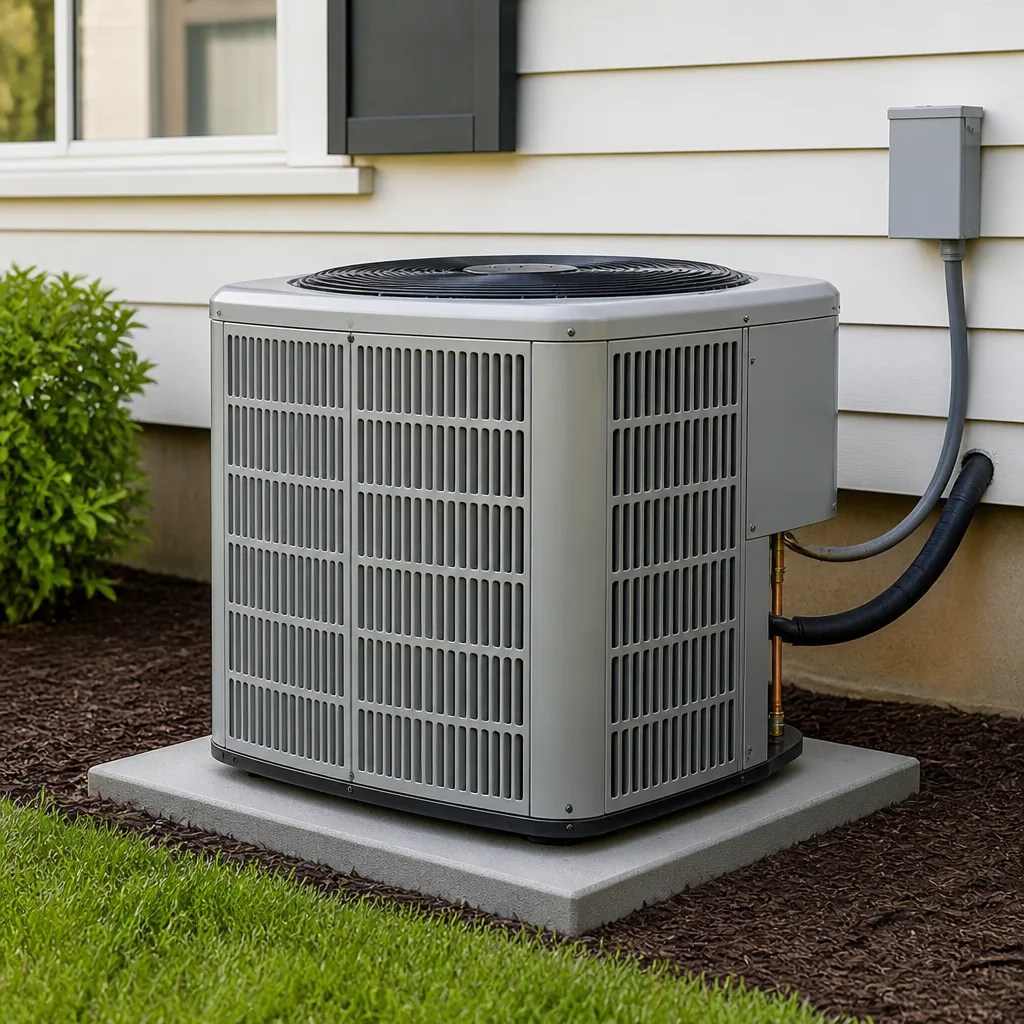 AC repair
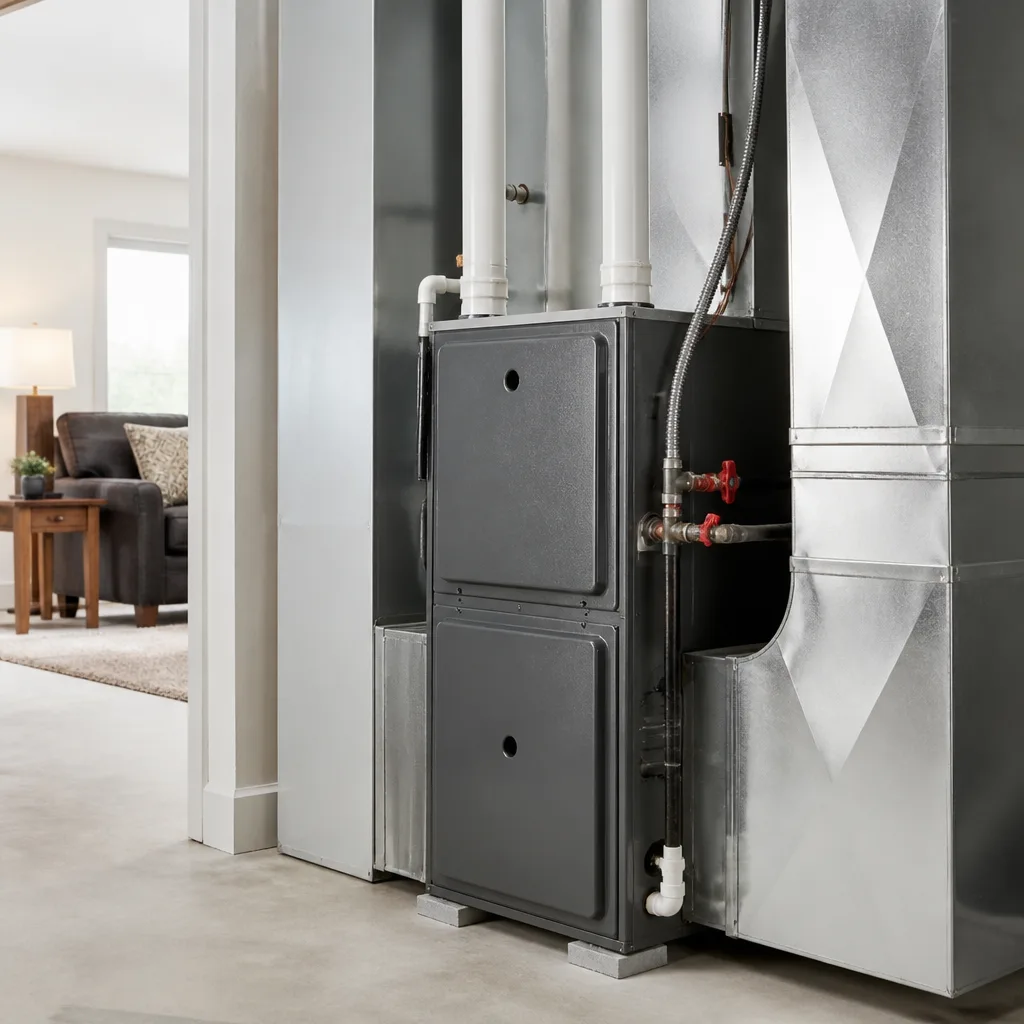 Furnace & heating
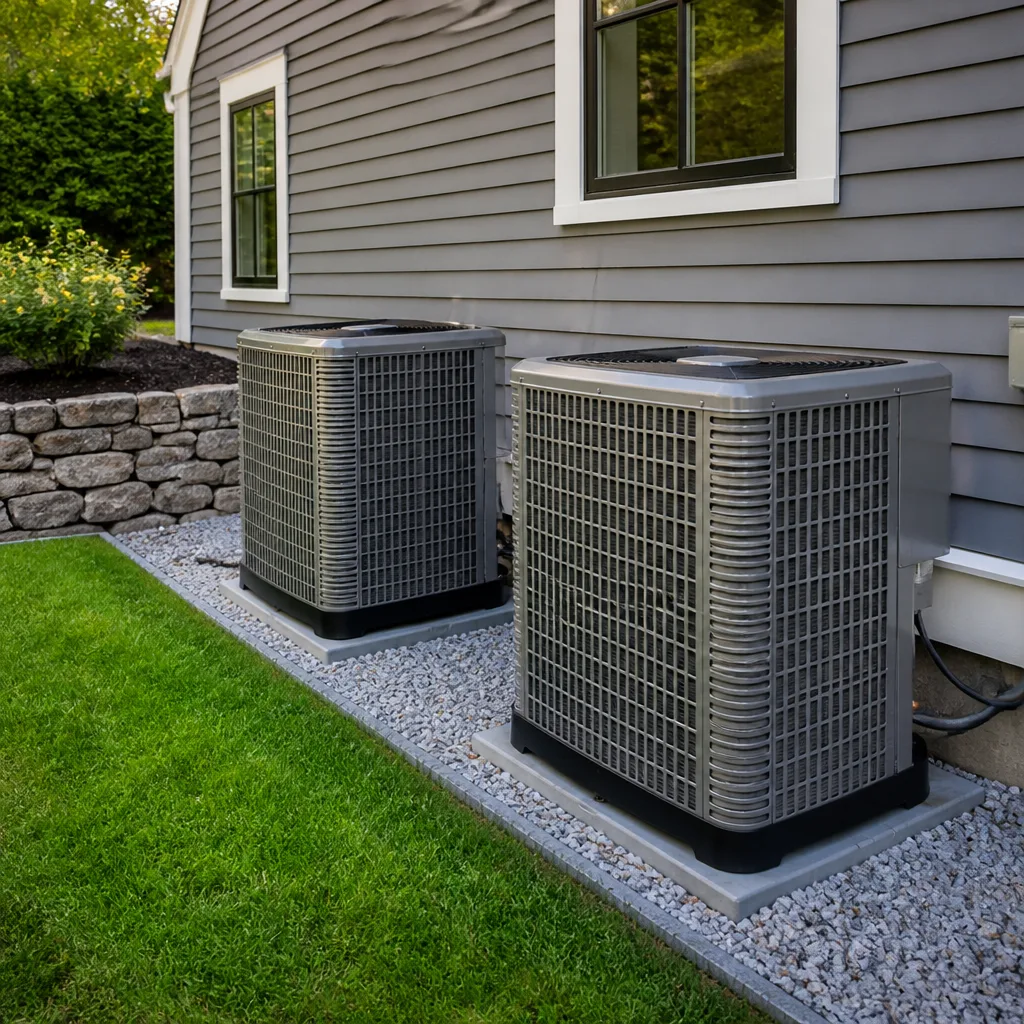 Heat pumps
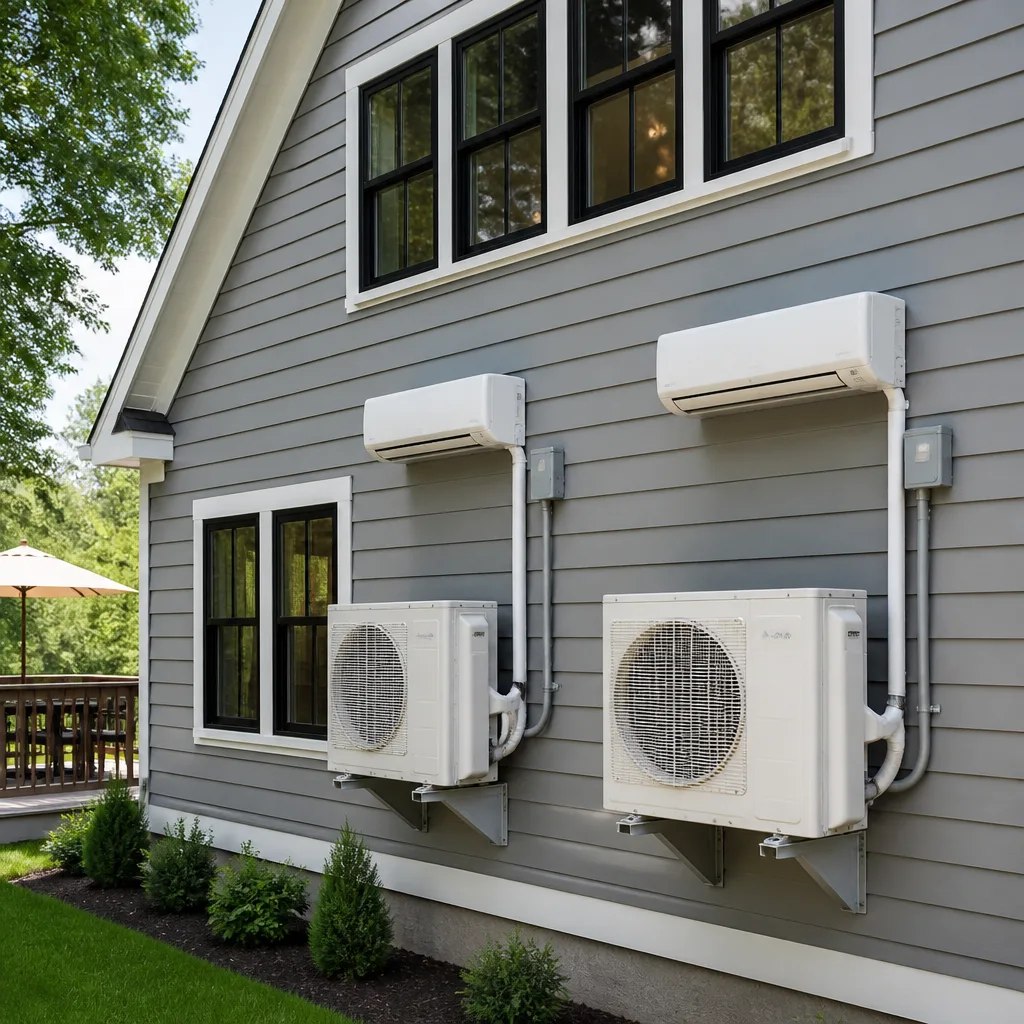 Ductless mini splits
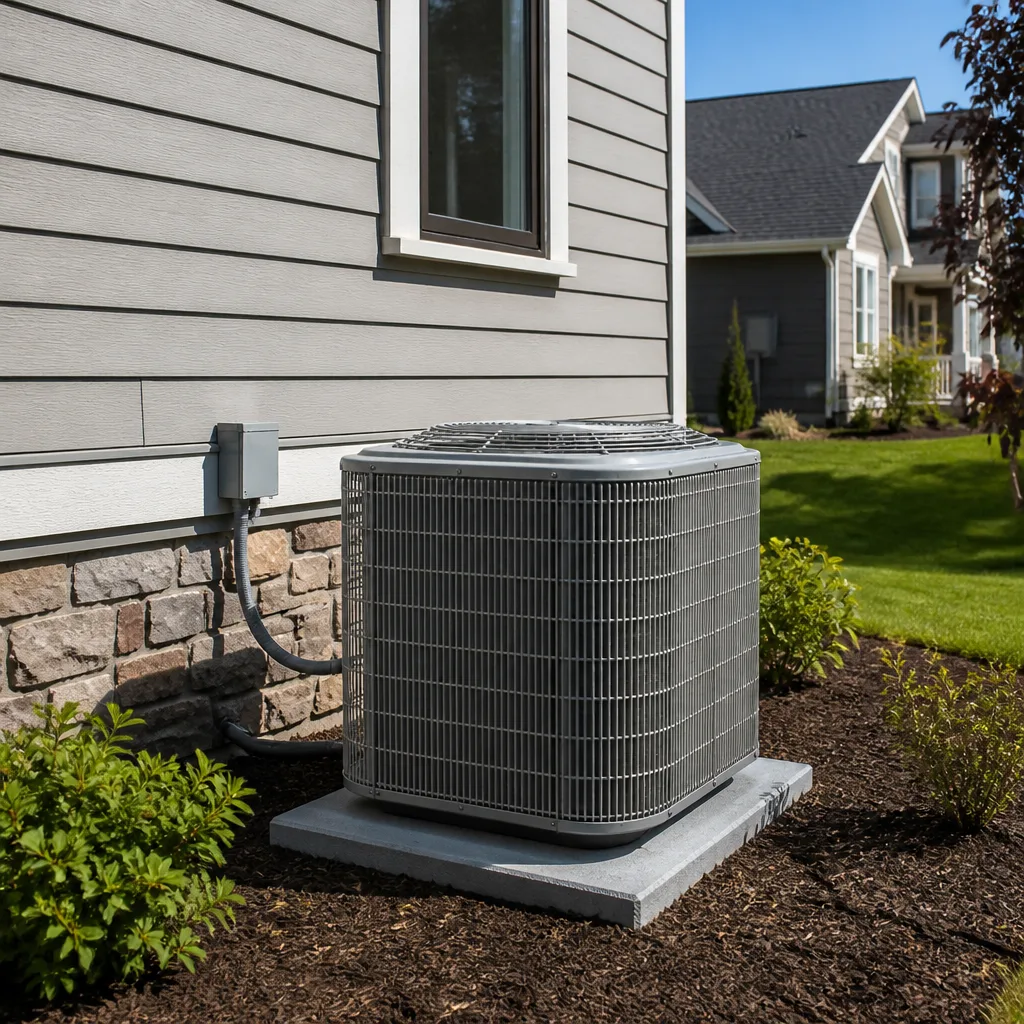 Carrier
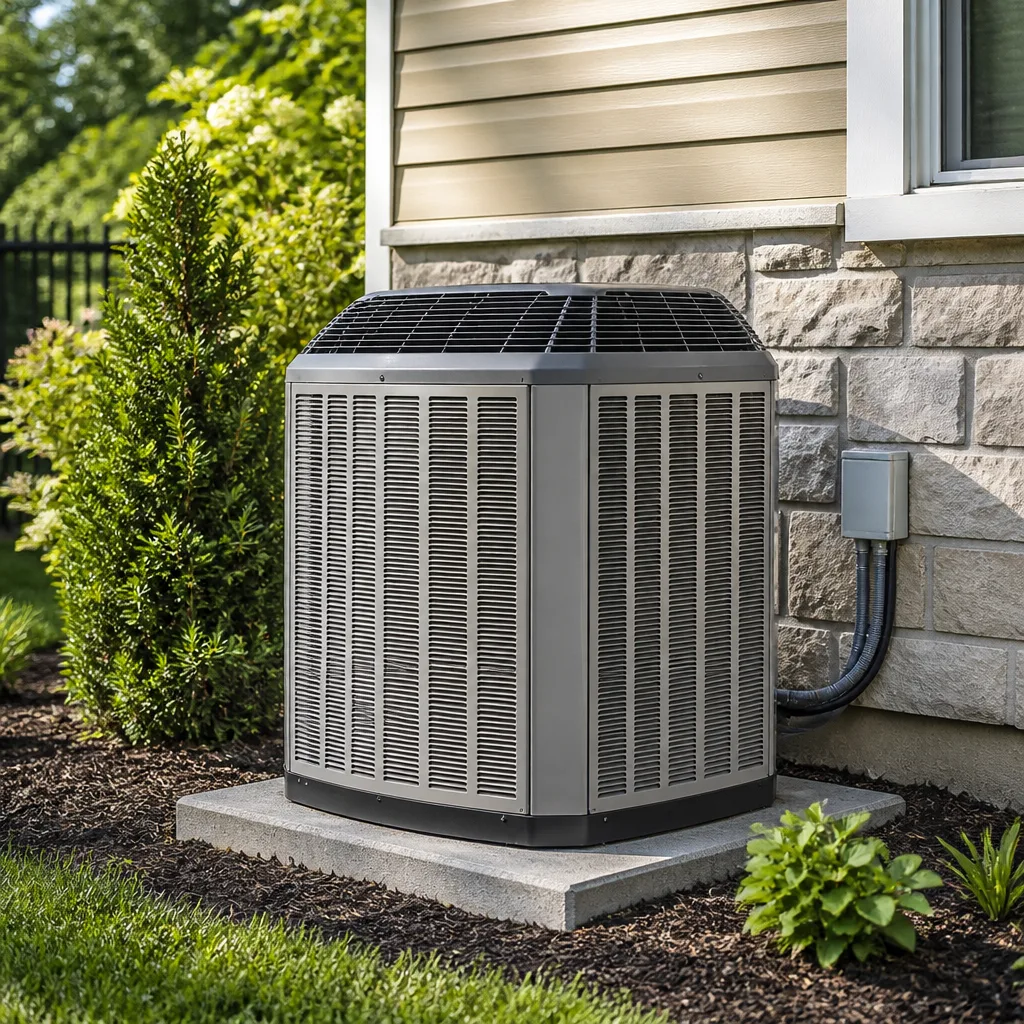 Trane
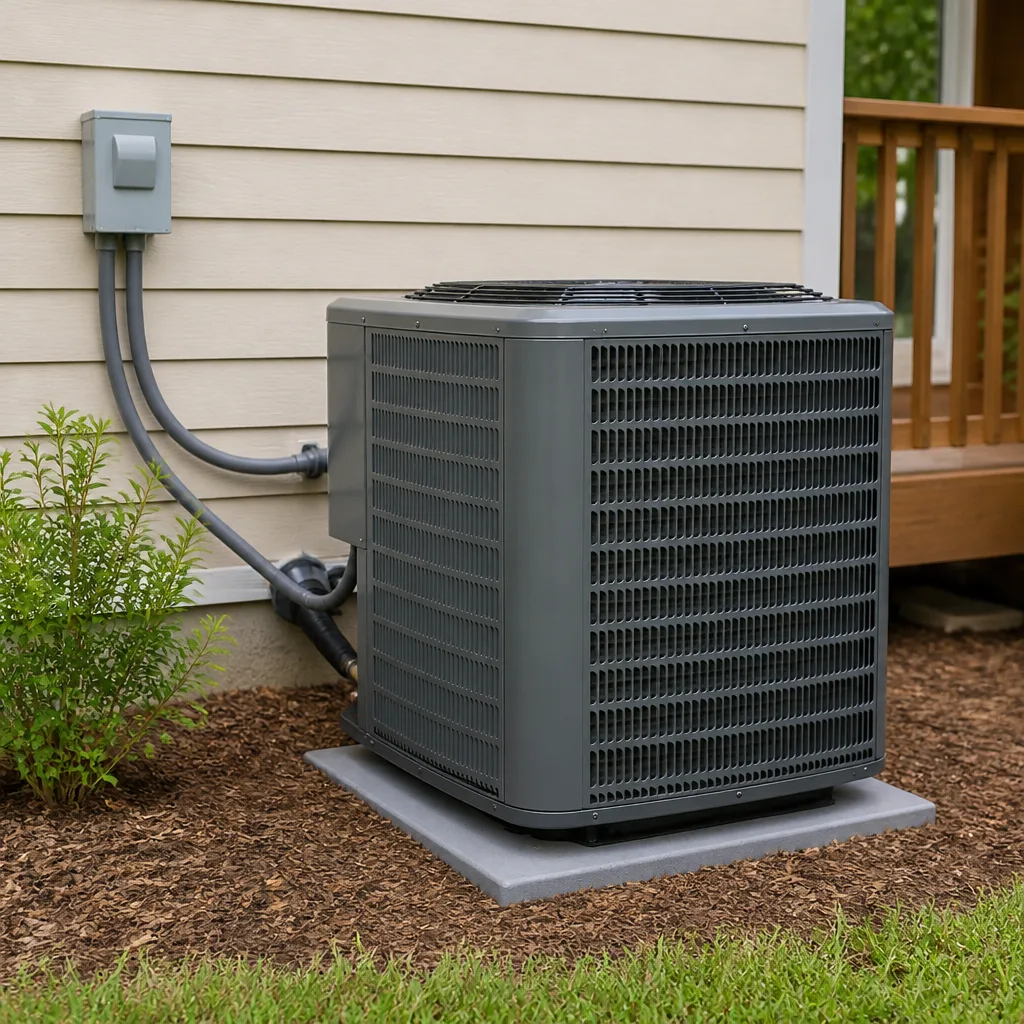 Goodman
Seasonal tune-up and full diagnostic on your Carrier, Trane, or Goodman system - readings shown to you before any repair is proposed
Diagnosis first, numbers second - you approve the repair price before a single part goes in.
Get your free estimateAC Installation Troubleshooting in Deltona: Common Problems and How to Fix Them
If your new AC is running but your house isn’t cooling below 78°F by mid-afternoon, the unit probably isn’t the problem – the installation is. That’s the counterintuitive part most homeowners miss: the worst AC problems don’t show up years down the road. They show up in the first 90 days, while the system is still brand new and the installer’s warranty window is still open. A system that’s slightly undercharged, or has one badly sealed duct connection, or sits on a thermostat that’s misconfigured for the equipment, will run all day and still leave your house sticky. This guide gives you the specific benchmarks and the exact questions to ask so you catch those errors before the window closes. Deltona summers don’t grade on a curve.
Quick Answer
The most common AC installation failures in Deltona are refrigerant undercharge, improperly sealed duct connections, and incorrect thermostat staging. A correctly installed system on a typical Deltona summer afternoon should pull your indoor temperature down several degrees per hour and hold it well below 78°F – if it only “gets there eventually,” ask for the commissioning report, the refrigerant charge record, and airflow measurements in writing. Those three documents are how you prove an installation problem instead of arguing about one.
Styles & brands we work with
- AC repair
- Furnace & heating
- Heat pumps
- Ductless mini splits
- Carrier
- Trane
- Goodman
Table of Contents
- Why the First 90 Days Matter More Than the Next 10 Years
- The Three Most Common Post-Installation Failures in Florida
- How to Read Your Indoor Unit’s Static Pressure
- Why “It Cools Eventually” Isn’t Acceptable in Deltona
- What Documentation to Request at Job Completion
- The Diagnostic Language to Use With Your Installer
- How to Escalate an Installation Dispute in Florida
- Repair or Replace: Applying This to an Older System
Why the First 90 Days Matter More Than the Next 10 Years
A brand-new AC system has a short window where every part is still under the installer’s workmanship coverage. That window is where installation errors live. Once it closes, a problem that was the installer’s responsibility quietly becomes yours, and you’re paying a technician to diagnose something that was wrong on day one.
Here’s the pattern we see across Deltona: the homeowner notices the house isn’t as cold as the old system was, calls it in, is told “it needs to break in” or “that’s normal for the new unit,” and lets it slide. By the next summer the system has run thousands of hours in a condition it was never meant to run in. The compressor has worked harder than it should. The duct leaks have pulled hot attic air into the supply stream the whole time. Now the repair is a real bill instead of a warranty visit.
The reason this matters so much in Deltona specifically is runtime. A system here in July and August doesn’t cycle off very often – it runs long, hard stretches because the outdoor temperature and the humidity load both stay high into the evening. A small deficiency that a system in a milder climate might shake off over eight months gets multiplied by long daily runtimes and a nearly year-round cooling season. Every inefficiency compounds faster.
What you’re really buying in those first 90 days is evidence. The commissioning report, the charge record, and airflow numbers are all produced at the end of a serious installation. If they were produced, you can hold someone to them. If they weren’t, you’re left describing symptoms while everyone shrugs. The next sections show you what to check, what numbers matter, and how to talk about it.
The Three Most Common Post-Installation Failures in Florida
After the first 90 days of a new install, almost every comfort complaint traces back to one of three things. They’re worth learning because each one has its own symptom pattern, and knowing the pattern is what lets you describe the problem precisely.
1. Refrigerant undercharge
A system is charged at installation to a specific target, measured against the line set length and the manufacturer’s spec. If the installer skipped the weigh-in, guessed, or used the wrong target, the system runs low on refrigerant. The symptom isn’t “no cooling” – it’s weak cooling that gets progressively worse the hotter it gets outside, combined with a system that runs continuously and never satisfies the thermostat. You may also notice the indoor coil icing up, or the outdoor unit’s suction line not being cold to the touch the way it should be. Undercharge is a slow killer: the compressor runs hotter and longer, and that’s the part you don’t want to replace.
2. Improperly sealed duct connections
Duct connections in a Florida attic are the most under-appreciated installation failure. A loose collar at the plenum, a poorly taped boot at a register, an unsealed joint at a flex duct splice – none of them look dramatic. But every one of them pulls hot, humid attic air into the supply stream. The system delivers 58°F air into the trunk and 72°F air at the register, and no amount of added refrigerant fixes it because the problem isn’t the machine, it’s the delivery. Symptoms: certain rooms never cool, supply registers feel weak, and the house feels clammy even when the thermostat reads below the setpoint. If your attic is accessible, you can look at the plenum and the first run of flex; if you see daylight, gaps, or untaped collars, that’s your answer.
3. Incorrect thermostat staging
A two-stage or variable-capacity system with a thermostat that’s been configured as single-stage will behave like a poor single-stage system. It will run at full blast, satisfy the thermostat too quickly in mild weather, and then in high-load weather run nonstop at high capacity without ever adjusting. The result is uneven cooling, wide humidity swings, and a system that’s louder than it should be. Some thermostats also ship with a default “cool” configuration that doesn’t match the equipment it’s wired to. This is the cheapest of the three to fix and the most often missed, because a thermostat that technically turns the system on and off looks fine to a casual glance.
How to Read Your Indoor Unit’s Static Pressure
Static pressure is the resistance to airflow inside your duct system. Too high means the blower is pushing against a restriction, and a blower pushing against a restriction moves less air. Less air means less heat gets removed from your house and more energy gets wasted. It’s the single most useful number on a commissioning report, and it’s the one most homeowners don’t know to ask for.
In residential systems, the total external static pressure across the air handler is measured in inches of water column, written “in. w.c.” The manufacturer’s spec sheet for your specific air handler will state a maximum rated static pressure; typical residential equipment is designed to operate somewhere in the range of about 0.5 in. w.c. total external static. Readings consistently above the equipment’s rated maximum signal a duct restriction that will cut efficiency and comfort for as long as the system runs. Different air handlers have different rated maximums, so the spec sheet for your model is the authority – not a rule of thumb.
What causes high static pressure? A few common culprits:
- Undersized return air – often the trunk or return boot is smaller than the equipment needs, especially after a size upgrade.
- A clogged or overly restrictive filter in a slot designed for a different filter’s pressure drop.
- Duct runs that are kinked, over-long, or squeezed into a tight chase.
- Registers too small for the airflow the room needs, or a supply trunk that was never sized to the equipment.
The reading alone doesn’t tell you which problem you have, but it tells you a problem exists. A technician who measured static pressure and handed you the number at the end of the install gave you a benchmark you can compare against in later service calls. If the number was never measured, ask for it now. If the system is older, this is also worth checking during any repair visit – it’s one more reason a thorough Deltona AC Repair call includes airflow measurements, not just a refrigerant gauge.
Why “It Cools Eventually” Isn’t Acceptable in Deltona
Ask a Deltona homeowner what “cooling” means and you’ll often get “it gets there by evening.” That’s the wrong benchmark. The right benchmark is how fast the system pulls temperature down and whether it holds there under load.
The rule of thumb tradespeople use is called “delta T” or “temperature drop” – the difference between the air entering the return and the air coming out of the supply. For a typical residential system, that difference is usually in the range of about 16°F to 22°F, measured at the return grille and a supply register near the air handler after the system has run for at least fifteen minutes to stabilize. A reading below that range is a sign the system isn’t removing as much heat as it’s supposed to, which points at refrigerant charge, airflow, or duct leakage. A reading above it usually points at low airflow.
Then there’s the “degrees per hour” question, which is really about how fast the house recovers from heat gain. On a summer afternoon in Deltona, when outdoor temps are in the 90s and the humidity is high, a properly sized and properly installed system should be able to pull the indoor temperature down at a steady rate and hold the setpoint at the thermostat. It should be able to recover within a couple of hours after the door has been open, or after a hot afternoon has pushed the indoor temperature up. If the house only catches up after sunset, the system isn’t keeping up with the load – and in Deltona, the load is real.
Here’s the practical check: on a hot afternoon, if your thermostat reads 74°F and the house feels cool on your skin, the system is fine. If your thermostat reads 74°F and you still feel sticky, check the humidity – a properly running system in this climate should hold indoor humidity well below outdoor levels. If it can’t, and the unit is new, that’s a post-installation airflow or charge issue showing itself in a way you can feel before you can read a gauge.
What Documentation to Request at Job Completion
A serious installation leaves a paper trail. The paper trail is your evidence if the system underperforms, and it’s also the difference between a technician who can diagnose quickly and one who’s starting from zero. Request these documents before you sign off. Any competent installer should have them ready, and asking for them is standard practice, not a challenge to their work.
- Commissioning report. A summary of the startup and verification steps performed on the new equipment. It should list the equipment model and serial numbers, the thermostat model, the measured airflow, and the measured static pressure. You shouldn’t have to ask twice.
- Refrigerant charge record. The measured charge against the manufacturer’s target, the superheat and/or subcooling values, and what method was used to confirm the charge. If the system was weighed in, the record should show it.
- Airflow measurements. Total system airflow, and ideally per-room or per-zone measurements. The unit should be operating within the manufacturer’s airflow range for cooling mode.
- Duct leakage verification. Not every installer performs this, but a good one can at least describe the sealing method used and confirm the plenum and visible connections were sealed.
- Equipment warranty registration. Many manufacturer warranties are shorter unless the equipment is registered at installation. Ask who is doing the registration and get proof it was done.
- A dated, itemized invoice that lists the equipment by model and serial, and any duct work performed. This is the document a dispute will actually be built on.
Put these in a folder with the thermostat manual and the equipment spec sheets. When a technician comes out for a service call later, they can start from the numbers instead of re-measuring everything from scratch. Our technicians have up to 12 years of experience and are trained to work on Carrier, Trane, Lennox, Goodman, Rheem, York, Daikin, Bryant, and American Standard equipment; pulling up a commissioning report to compare against current readings is the first thing we want to do when a system feels underperforming.
The Diagnostic Language to Use With Your Installer
Comfort complaints get dismissed because “the house feels warm” is a feeling, and feelings don’t move a technician. Measurements do. Here’s how to make a post-installation complaint specific, whether the system is a fresh install from any brand or an older system that’s been disappointing since it was last worked on. If you’ve got a AC installation that just wrapped, use this language sooner than later.
When you call, lead with the measurements and the timing. Something like: “The system was installed in [month]. Since then, on afternoons when the outdoor temperature is above 90°, the thermostat is set to 74° and the indoor temperature holds at 78° or higher. The system runs continuously and doesn’t satisfy except after sunset. I don’t have the commissioning report – can you pull it and give me the static pressure and airflow numbers?” A technician who knows how to troubleshoot will appreciate this. A technician who only knows how to sell will change the subject.
The key questions to ask, in order:
- What was the measured total external static pressure at commissioning, and what’s the manufacturer’s rated max for this air handler?
- What were the superheat and subcooling readings at startup, and are they still in spec?
- What’s the temperature split (return-to-supply) as of today, and how does it compare to the day of install?
- Was the duct system verified for leaks at the plenum and the visible boots?
- Was the thermostat configured as the same stage and capacity type as the equipment?
If the answers come back vague, that’s the signal. Write down what you were told, when, and by whom. Start a running log of every visit, every temperature reading, and every phone call. It’s tedious. It’s also exactly the documentation a regulator will ask for if you have to escalate.
How to Escalate an Installation Dispute in Florida
If the installer won’t come back to make the system right, and the issues are real and documented, Florida gives you a lever. HVAC contractors in Florida are licensed through the Department of Business and Professional Regulation (DBPR), and the DBPR is the agency that handles complaints about licensed contractors’ work. The other lever is the manufacturer’s extended warranty, which will only help you if the installation was performed by a qualified, licensed installer and the registration was completed.
Before you file anything, put your file together. The DBPR process requires documentation, and the more specific yours is, the faster it moves. Gather these in one place:
- The signed contract and the itemized invoice.
- The commissioning report, refrigerant charge record, and airflow measurements – if you have them, they’re the strongest evidence. If you don’t, note that you weren’t given them.
- A written log of every call, visit, date, and person you spoke with, plus what was said.
- Temperature readings, static pressure readings, or any other diagnostic measurement taken by a third party. A written report from an independent technician who finds a specific defect (undercharge, duct leakage, misconfigured thermostat) carries a lot of weight.
- Photos of any visible defect – unsealed plenum connections, ice on the coil, thermostat configuration screens.
- The equipment’s model and serial numbers, and copies of the warranty documentation.
The next step is the DBPR itself. Use the agency’s online complaint process, submit your documentation, and keep copies of everything you send. Many disputes resolve before that step because a contractor’s license is at stake and a documented dispute is expensive attention to attract. But if the installer is a legitimate business, the formal complaint path is the right one and it doesn’t cost you anything but paperwork.
What all of this has to do with a brand like Bryant, American Standard, or Daikin, is worth saying plainly: manufacturers stand behind their equipment but the installation is the installer’s responsibility. So the brand of the machine won’t save you. The documentation will.
Repair or Replace: Applying This to an Older System
Not every comfort problem is a fresh installation gone wrong. If the system is old enough to have outlived its expected service life, the same symptoms – underperformance, long runtimes, weak airflow – might mean a repair, or might mean it’s time to weigh replacement. The honest answer depends on what’s actually wrong, and it’s worth knowing how to think about it.
A system with a specific, fixable defect – a low charge, a failing capacitor, a stuck thermostat, a duct that’s separated – usually makes sense to repair, especially if the equipment is relatively young. A system nearing the end of its service life with several problems at once is a different calculation. When we’re called out for a repair consultation, we don’t default to a replacement quote because that’s the sale. We tell the homeowner what the diagnosis is, what the repair costs, what a replacement costs, and which one makes more financial sense given the age and condition of the equipment. Then the decision is theirs.
If replacement is the answer, the installation standards in this guide still apply. That’s why a new system should come with a commissioning report and a proper charge record – so you can verify the install was done right and hold your installer to the standard before the warranty window closes. If you’re thinking about a replacement and also want to think through your heating side, our furnace repair team handles that same decision on furnaces – repair or replace – with the same honest assessment.
Common Mistakes to Avoid
- Accepting “it needs to break in.” A new system doesn’t need to break in. If it’s underperforming in the first weeks, it’s a measurement problem, not a settling period.
- Letting the install go without a commissioning report. No report means no baseline, and no baseline means any later diagnosis starts from scratch. Ask for it before final payment, not after.
- Assuming the brand on the box will save you. Carrier, Trane, Lennox, Goodman, Rheem, York, Daikin, Bryant, and American Standard all make solid equipment. The install quality is the variable, not the label on the machine.
- Ignoring a humidity complaint when the house “feels cool enough.” In Deltona, a system that can’t hold humidity during the cooling season is telling you airflow or charge is off, even when the thermostat reads below the setpoint.
- Accepting a thermostat upgrade without confirming staging is set correctly. If the installer doesn’t verify the configuration during commissioning, a two-stage system can behave like a single-stage one forever.
- Skipping the warranty registration. Some manufacturer warranties hinge on registration at install. Verify the equipment was registered with proof.
- Not writing anything down. The complaint that never got a follow-up is the one no regulator can help with. Start your log on day one if the system underperforms.
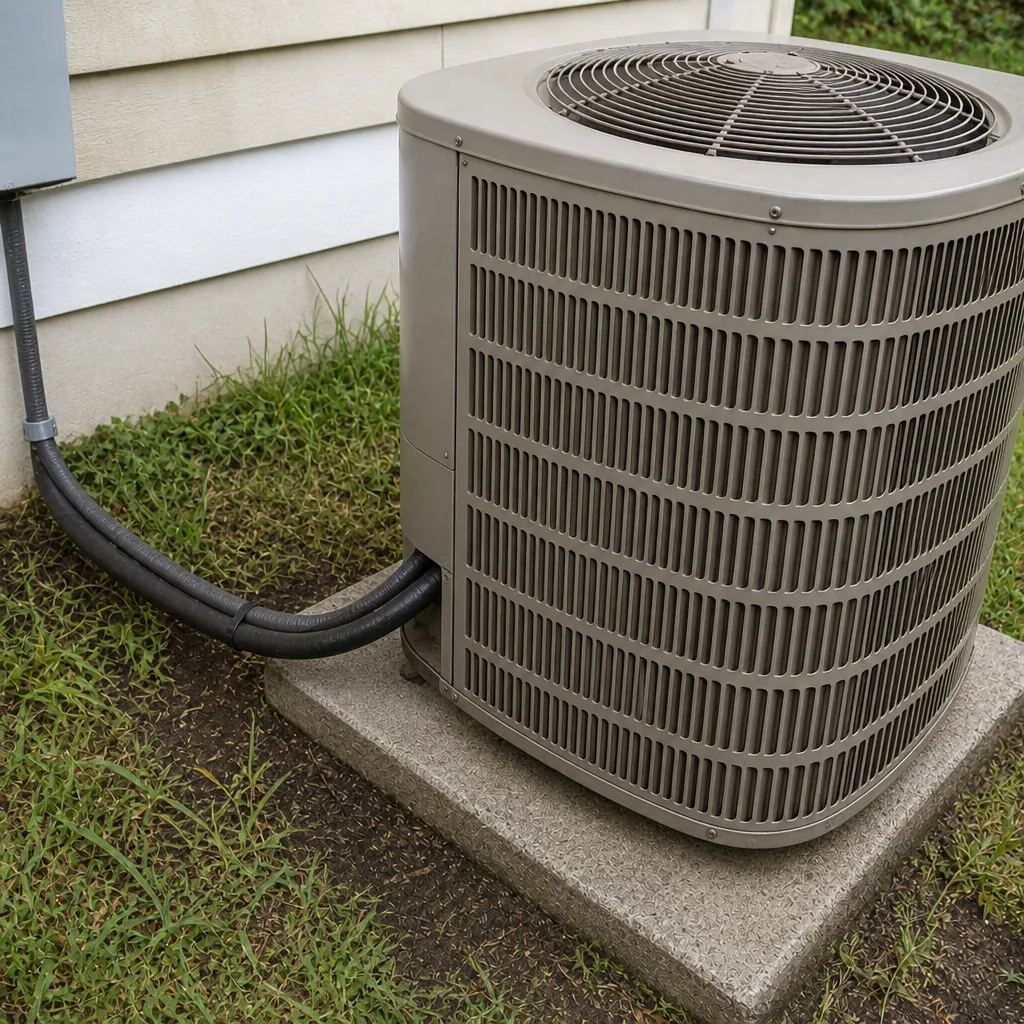
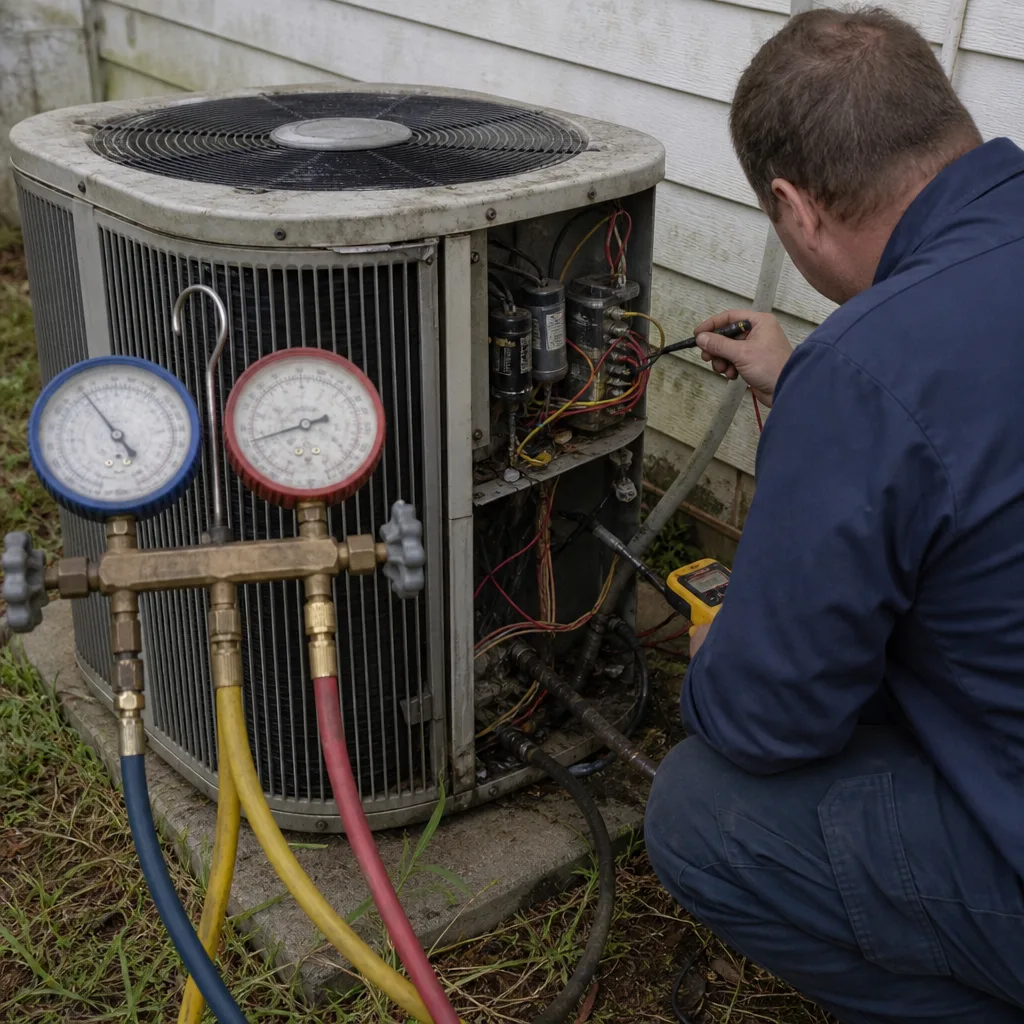
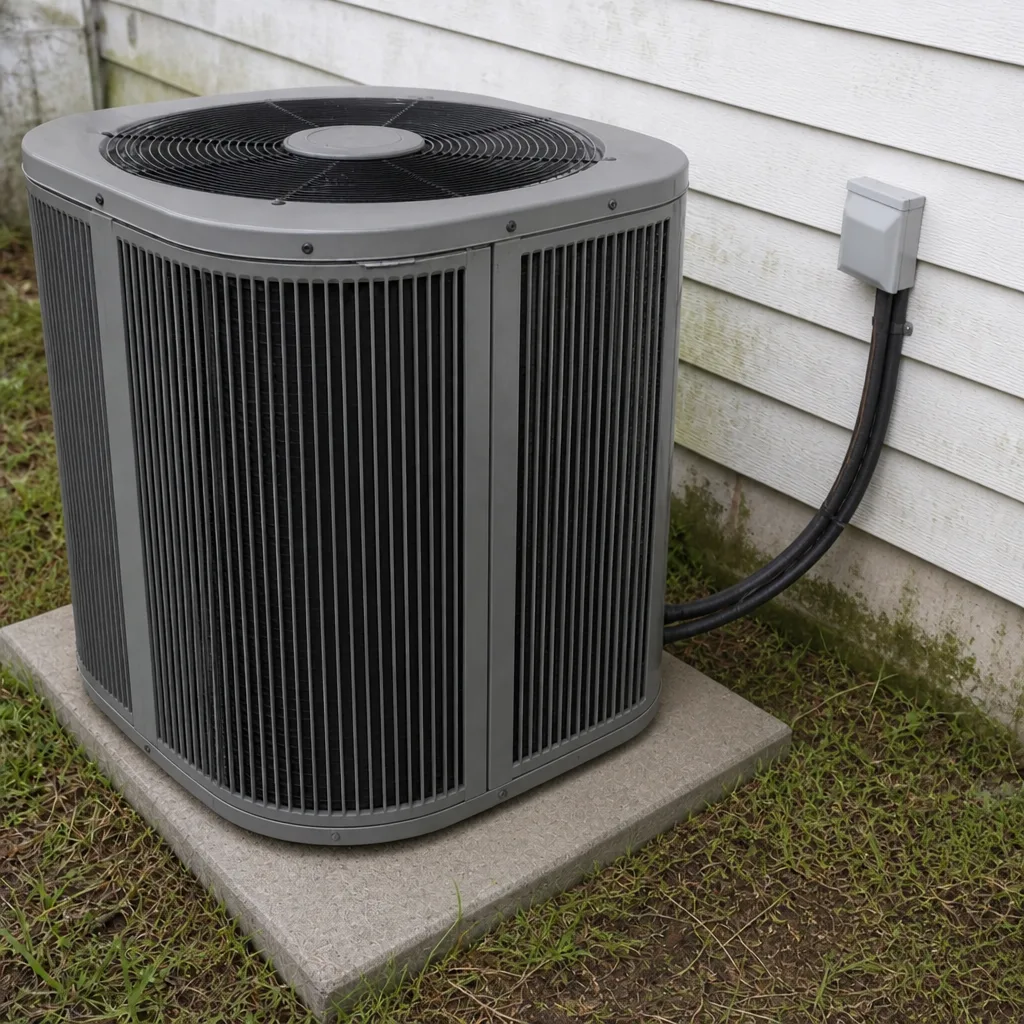
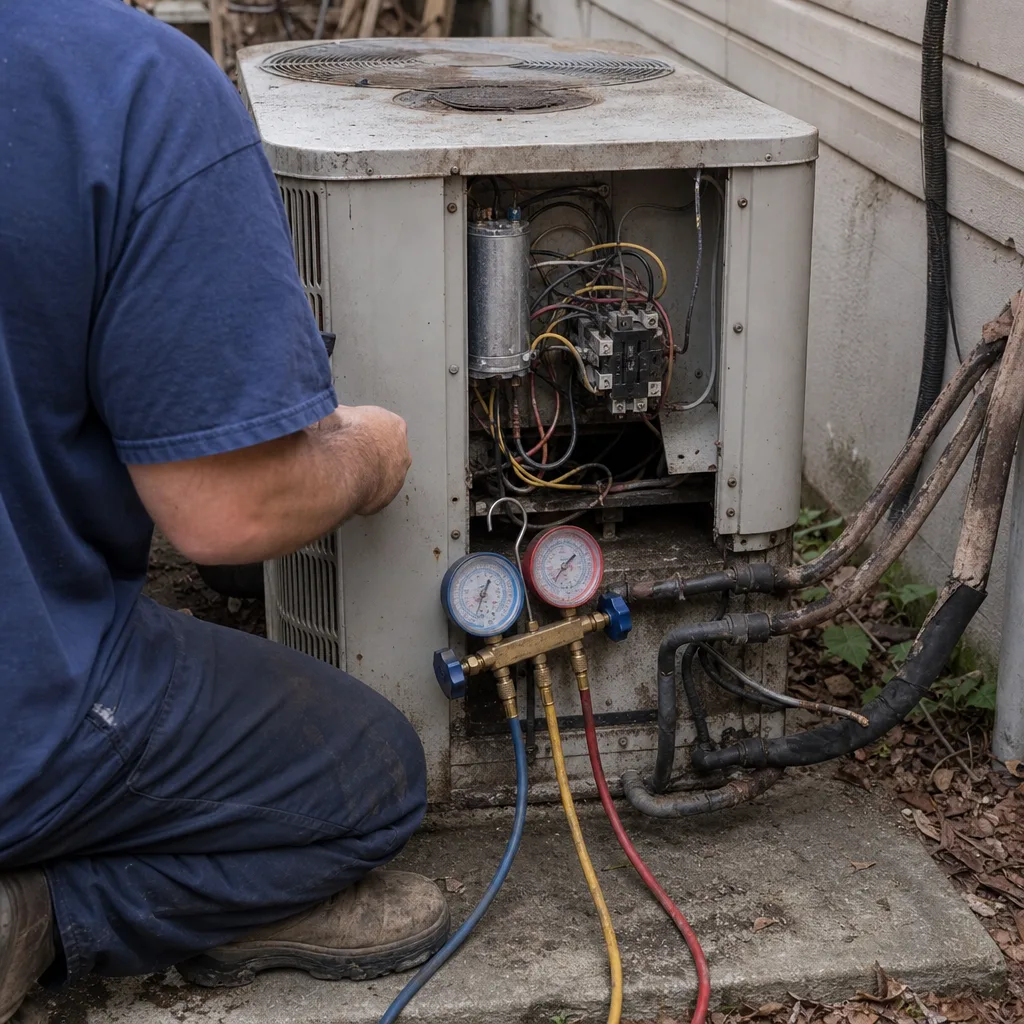
See the difference
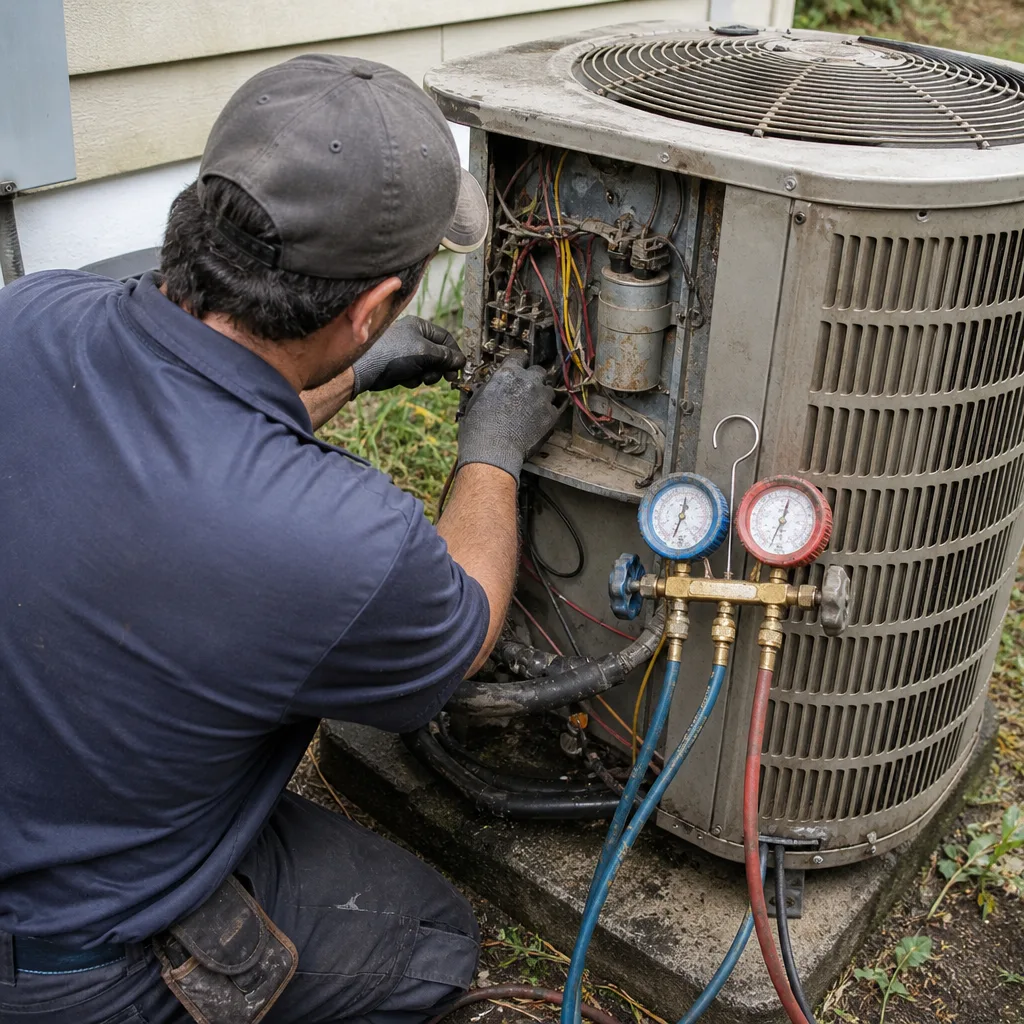 Before
 After
 Before
 After
 Before
 After
When to Call a Professional
Some of the checks in this guide are ones a homeowner can do safely – reading the thermostat, feeling a supply register for weak airflow, looking at an accessible plenum for visible gaps, and keeping a written log. Anything past that is a technician’s job. Refrigerant handling, electrical testing at the air handler, opening the compressor compartment, and measuring static pressure inside the unit are all work that needs a trained and licensed technician, and the wrong move on any of them is a real safety issue.
If your system was installed within the last year and it isn’t meeting the benchmarks in this guide, call and get a professional on it now, while the installation window is still open. Deltona AC Repair offers free estimates in Deltona – call (888) 850-1463. If the original installer is unresponsive, we can also give you a written assessment of what’s actually wrong so you have documentation for the next step.
Frequently Asked Questions
The main test is whether the system satisfies the thermostat and holds the setpoint on a hot afternoon. In Deltona, that translates to: if the outdoor temperature is above 90° and the system can’t pull the house down to the set temperature within a couple of hours, the installation is suspect. The three documents that confirm a correct install are a commissioning report, a refrigerant charge record, and airflow measurements. Ask for them at the end of the job. Call (888) 850-1463 for a free estimate if you’d like a second opinion on what you’ve got.
Usually not on a new install, because undercharge isn’t a failure of the equipment – it’s a charging issue that falls to the installer’s workmanship. That’s exactly why the charge record from commissioning matters. If the system is undercharged on day one and the installer skipped or fudged the charge measurement, you’re dealing with a workmanship issue, not a manufacturing defect. Get the charge measurement documented and call (888) 850-1463 if you need an independent assessment.
Typical residential systems run a supply-to-return temperature difference in the range of about 16°F to 22°F, measured after the system has run for fifteen minutes. Readings below that range point at charge or airflow issues; readings above it usually point at low airflow. These are general ranges – your system’s spec sheet is the authority. If you’re seeing readings well outside that window, call (888) 850-1463 to have it checked.
Yes, and it’s one of the most common post-installation issues, especially on two-stage or variable-capacity systems. If the thermostat was configured as single-stage, or if a multistage system’s staging was set for a different equipment type, the system will run at full capacity and overshoot its control, or satisfy too quickly and lose humidity control. This is a quick fix for a technician and worth ruling out early. Call (888) 850-1463 and we’ll check the configuration as part of a free estimate.
Repair. A system that’s a few years old and running poorly is usually dealing with a specific, fixable defect – a low charge, a duct leak, a thermostat error – and repair is the right first step. Replacement only makes sense when the equipment is old, the repair is significant, and the long-term math tips that way. We’ll tell you which one actually makes sense based on your equipment, not on what we’d like to sell you. Call (888) 850-1463 for a free estimate.
The route is the Florida Department of Business and Professional Regulation, and the paperwork is what makes it work. You need the contract, the invoice, the commissioning report (if you have one), your written log of every call and visit, any third-party diagnostic measurements, and photos of visible defects. Submit it through the DBPR’s complaint process and keep a copy. In many cases the complaint itself prompts a follow-up. If you need an independent written assessment to support your file, call (888) 850-1463 for a free estimate.
The Bottom Line
The most important window in the life of a new AC system is the first 90 days. If the unit is running but the house isn’t cooling below 78°F by mid-afternoon in Deltona, the machine is usually fine – the installation is where the problem lives. The three failures to watch for are refrigerant undercharge, improperly sealed duct connections, and misconfigured thermostat staging, and the three documents that prove an install was done right are the commissioning report, the charge record, and airflow measurements. Get them in writing, keep a log, and if the system underperforms, escalate while the warranty window is open. Our technicians have up to 12 years of experience and work on nine major brands – Carrier, Trane, Lennox, Goodman, Rheem, York, Daikin, Bryant, and American Standard – so we can diagnose what’s in front of us rather than defaulting to one manufacturer’s playbook. Hundreds of decisions in a Deltona home come down to this system. Get the install right and the rest takes care of itself.
Call (888) 850-1463 for a free estimate. We answer 24/7. Fast dispatch from 7am to 7pm, Sunday through Friday.
Written by the team at Deltona AC Repair.