
Last updated November 16, 2026
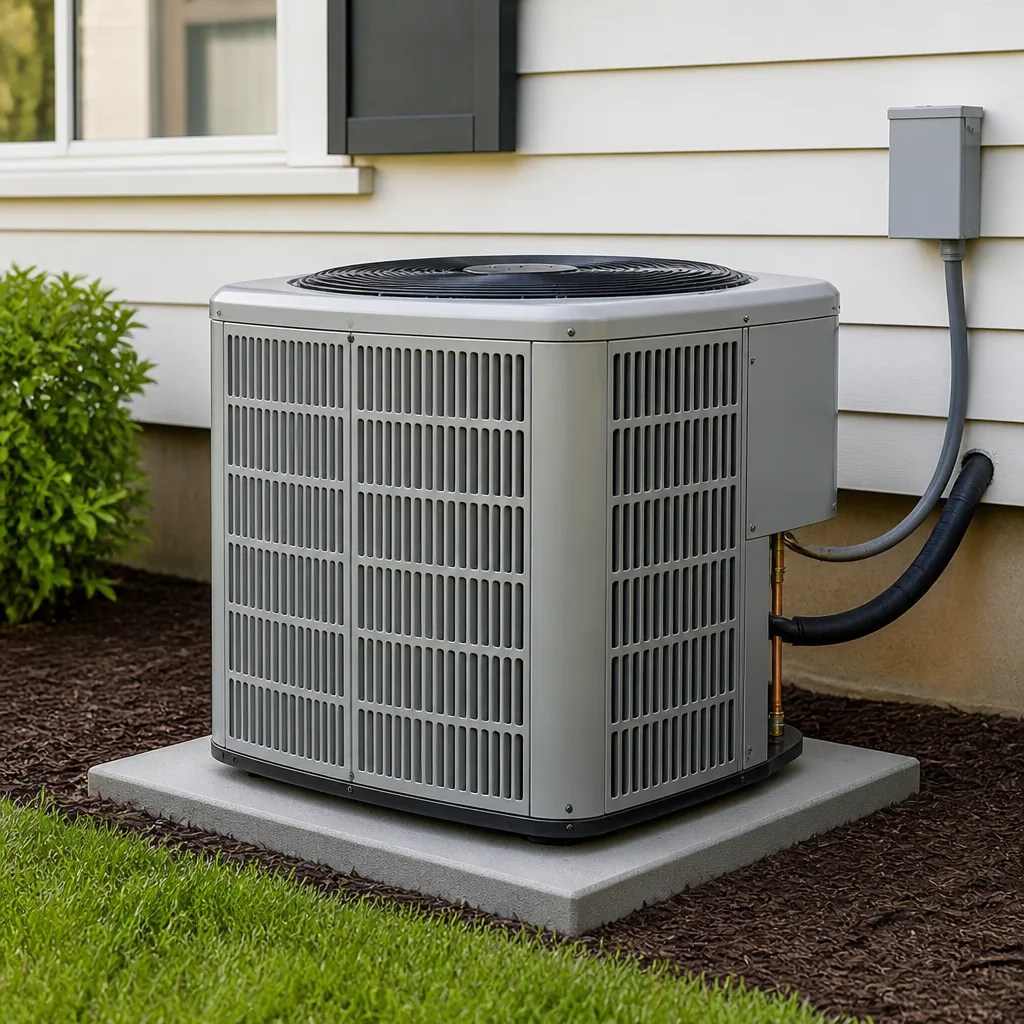 AC repair
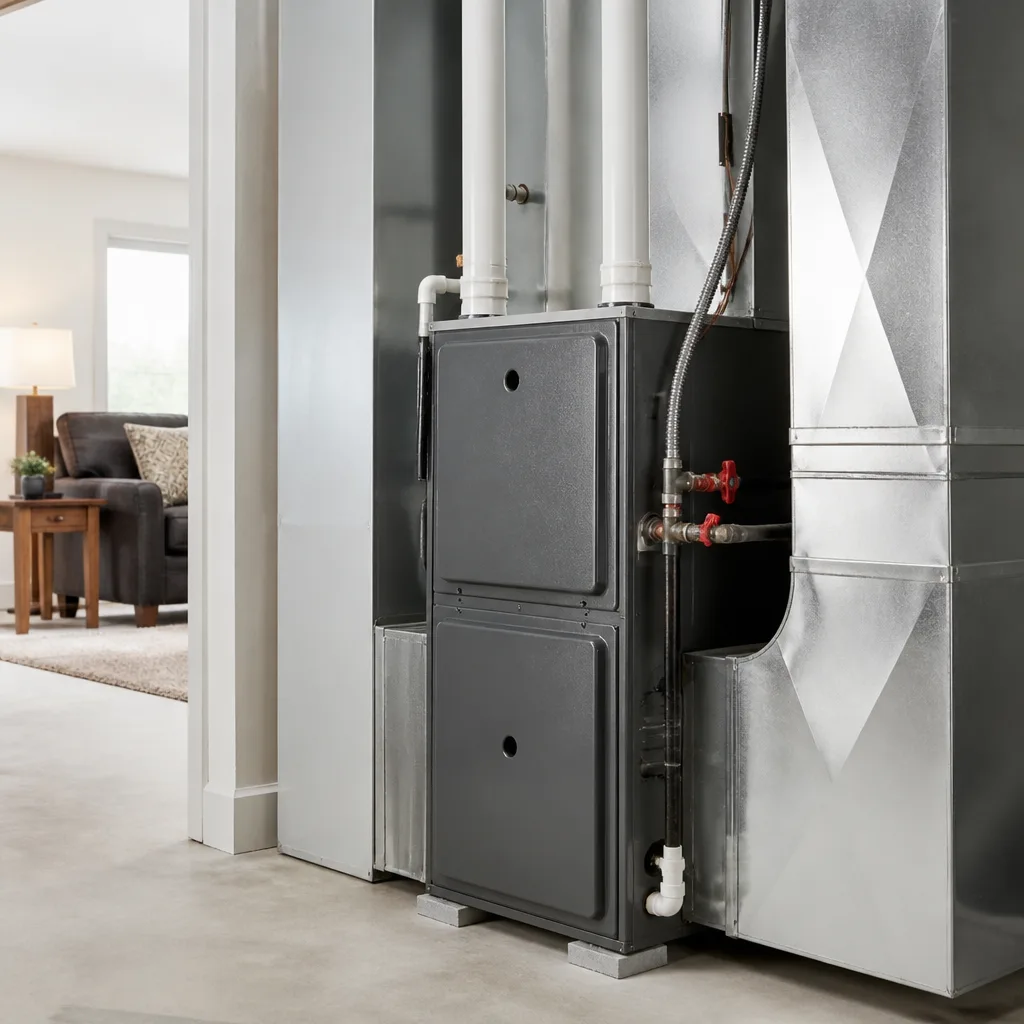 Furnace & heating
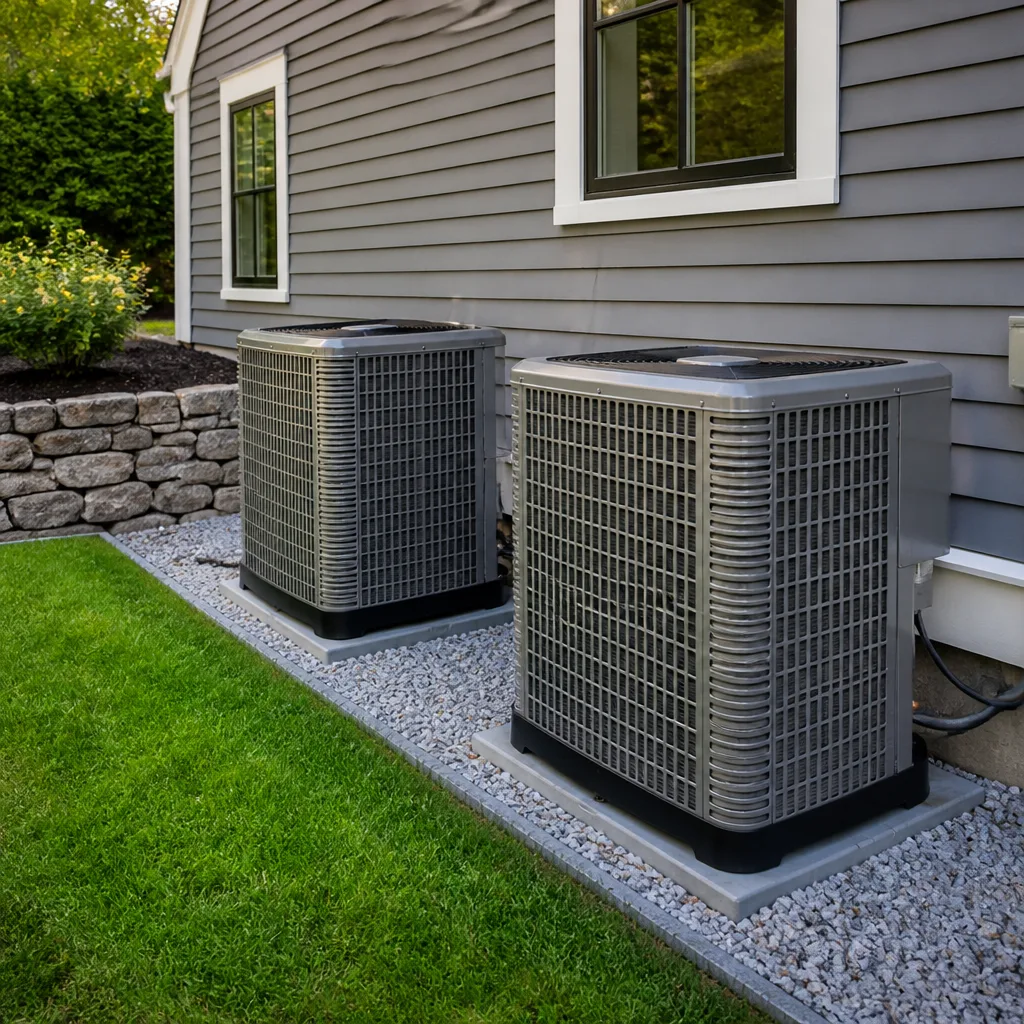 Heat pumps
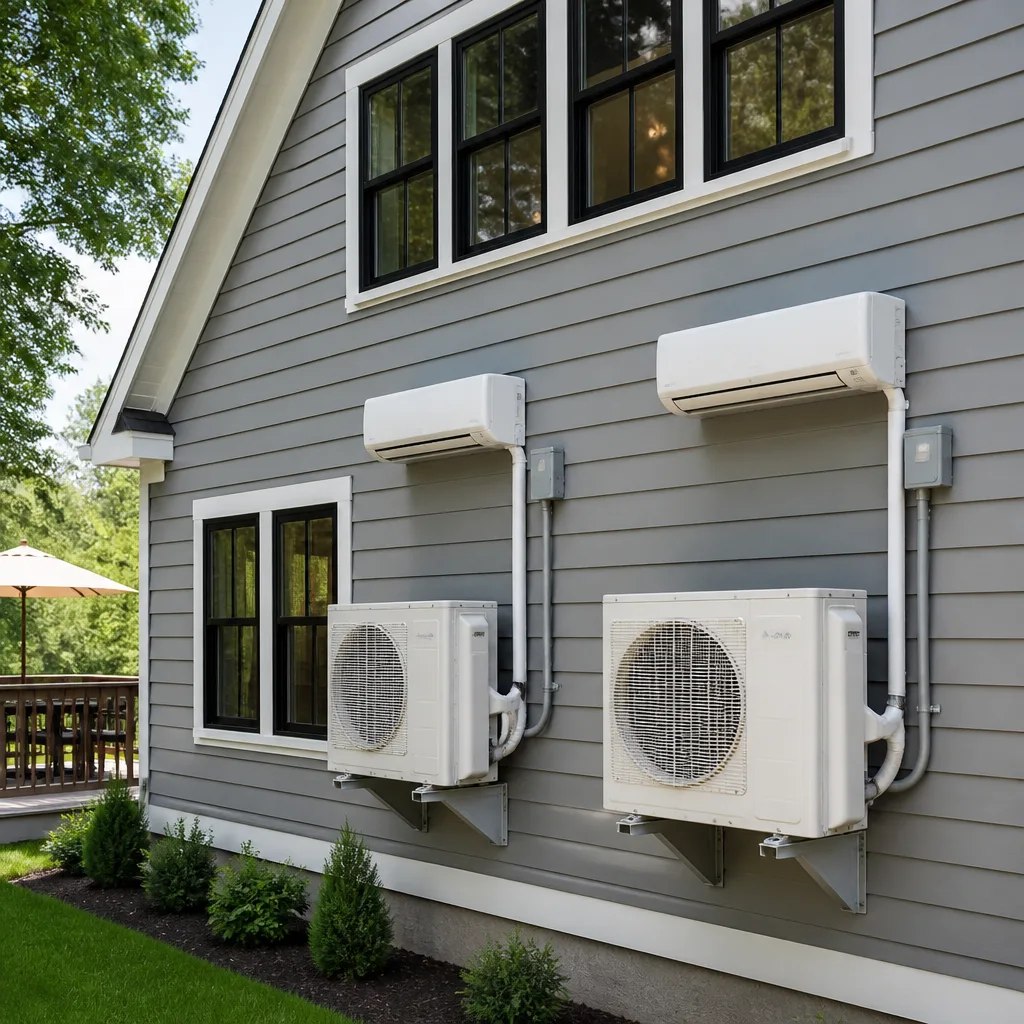 Ductless mini splits
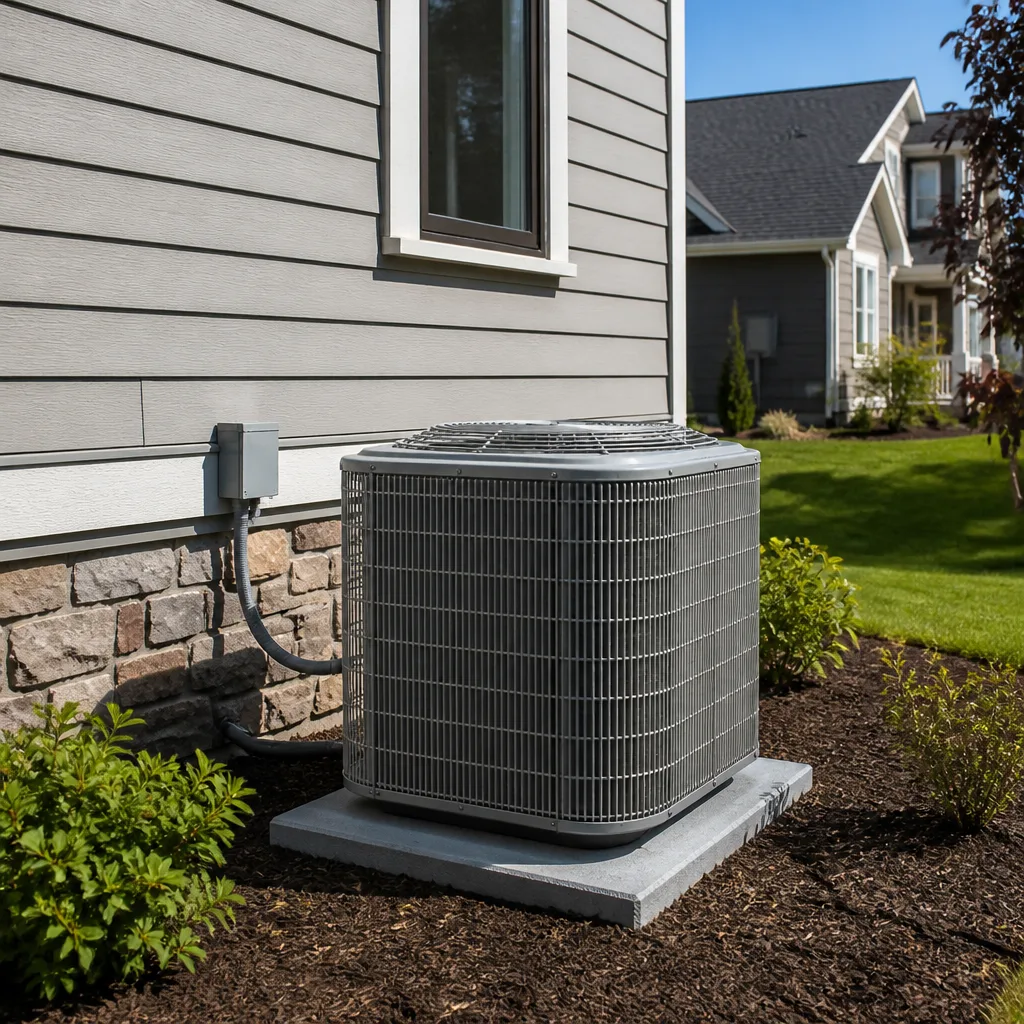 Carrier
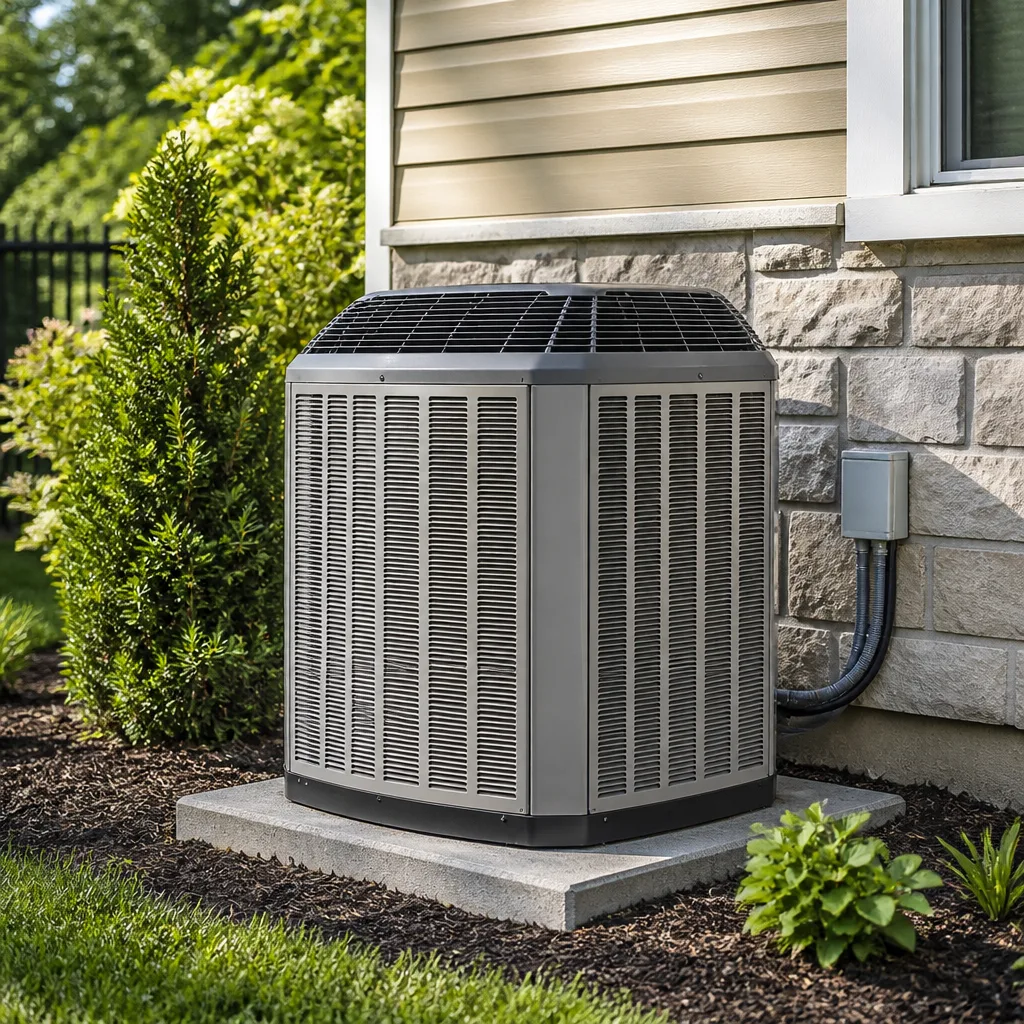 Trane
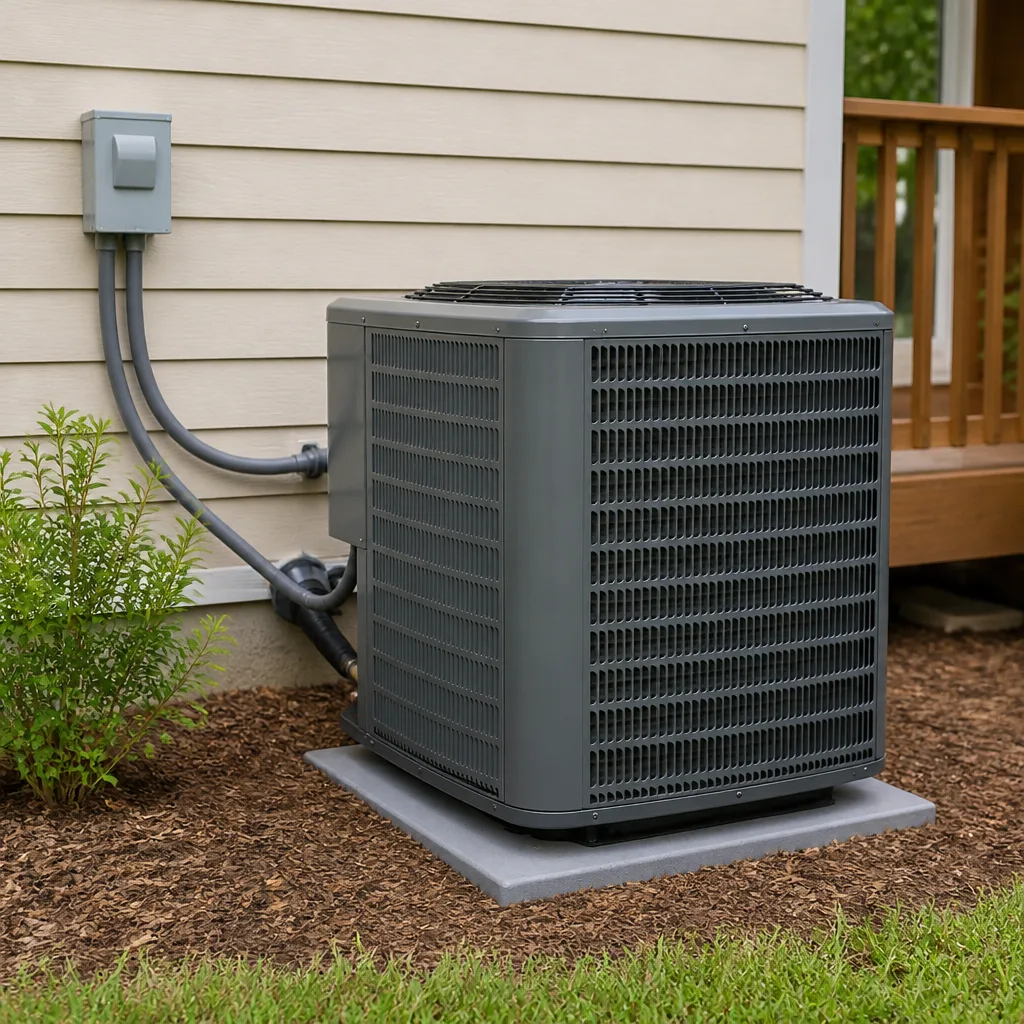 Goodman
Seasonal tune-up and full diagnostic on your Carrier, Trane, or Goodman system - readings shown to you before any repair is proposed
Diagnosis first, numbers second - you approve the repair price before a single part goes in.
Get your free estimateThe Complete AC Installation Guide for Deltona Homeowners
Most AC installations that fail within a few years were sized using square footage alone. A contractor glances at the listing, matches the number to a tonnage chart, and orders a unit. In Deltona, that method misses nearly everything that matters: ceiling height in a vaulted living room, duct leakage hiding in a hot attic, which windows face the afternoon sun, and how much moisture the air holds on an average August day. This guide walks through the variables that actually decide whether your new system runs efficiently or fights your house for the next decade. You’ll learn how to read a load calculation, choose a SEER2 rating for Florida humidity instead of a dry-climate spec sheet, navigate Volusia County permits, and time your install for the smoothest job.
Quick Answer
A successful AC installation in Deltona starts with a room-by-room Manual J load calculation, not a square-footage guess, because Florida’s humidity load and attic heat gain change the math. The right unit is then matched to your ductwork’s actual capacity, permitted through Volusia County, and installed with a verified refrigerant charge and airflow. Done in that order, a mid-range 16 SEER2 system routinely outperforms a premium unit that was sized or commissioned carelessly.
Styles & brands we work with
- AC repair
- Furnace & heating
- Heat pumps
- Ductless mini splits
- Carrier
- Trane
- Goodman
Table of Contents
- Why Manual J Load Calculations Matter More in Central Florida
- How Deltona Humidity Changes SEER2 Selection
- The Volusia County Permit and Inspection Process
- Brand-by-Brand: Which Systems Handle Florida’s High-Runtime Demand
- Ductwork, Attic Heat Gain, and the Hidden Half of the Job
- Seasonal Timing: Why October Through February Is the Sweet Spot
- How to Choose an AC Installation Contractor
- What Install Day Actually Looks Like
Why Manual J Load Calculations Matter More in Central Florida
A Manual J load calculation is the room-by-room engineering method that determines how much cooling your home actually needs, measured in BTUs, before anyone selects equipment. In mild climates, a rough estimate might get you within range. In Central Florida, the margin for error shrinks fast because the system runs long hours and the penalty for oversizing is severe.
Here’s the counterintuitive part: bigger is not better. An oversized system cools the air quickly and shuts off before it has time to pull moisture out of the house. You end up with a cold, clammy home, a unit that cycles constantly, and higher electric bills. Undersizing creates the opposite problem: the system runs nonstop on the hottest afternoons and never quite catches up.
A proper load calculation factors in:
- Square footage of every room, not just the whole house
- Ceiling height, which matters in Deltona’s many homes with vaulted or raised ceilings
- Window count, size, and orientation (west-facing glass loads a system heavily in the afternoon)
- Insulation levels in the attic and walls
- Duct location and condition, since ducts in a hot attic lose capacity before the air ever reaches a room
- Occupant count and appliance heat gain
- Local design temperatures for the Deltona area
How to Verify Your Contractor Actually Ran One
Ask for the load calculation report before you sign anything. A real Manual J output lists each room with its own BTU requirement and shows the inputs used. If a contractor can’t produce that document, they didn’t run one. Some will offer a “rule of thumb” tonnage based on square footage; press them on it. In our experience, the contractors who run the full calculation are also the ones who commission the system properly after the install, because the same care shows up in both phases.
How Deltona Humidity Changes SEER2 Selection Differently Than Dry Climates
SEER2 measures cooling efficiency, but it doesn’t measure how well a system removes moisture, and moisture is the defining challenge of a Deltona summer. A system rated for excellent efficiency in a dry climate can leave a Florida home feeling sticky if it isn’t matched to the humidity load. This is where a 16 SEER2 unit, installed correctly, frequently beats a 20 SEER2 unit installed carelessly.
Two things drive that outcome:
- Runtime versus capacity. A correctly sized system runs longer cycles, which removes more moisture per cycle. A high-efficiency unit that’s oversized short-cycles and never dehumidifies properly.
- Commissioning quality. Refrigerant charge and airflow settings determine real-world performance. A premium unit charged incorrectly will underperform a mid-range unit that was commissioned to the manufacturer’s spec sheet.
When you’re comparing quotes, ask two questions of every contractor:
- “What’s the sensible heat ratio on this selection, and how does it handle latent load?” A contractor who understands Florida humidity will answer without hesitation.
- “Will you verify charge and airflow with instruments after install, and give me the readings?” The answer should be yes, with documentation.
Some installations also pair a variable-speed air handler or a dedicated dehumidification mode with the condenser to handle Deltona’s shoulder seasons, when temperatures are moderate but humidity is high. That’s worth discussing with your contractor if your home has felt damp in spring or fall.
The Volusia County Permit and Inspection Process, Explained
AC replacement and new installation in Deltona requires a permit through Volusia County, and the inspection process is more substantive than most homeowners expect. Skipping the permit isn’t a shortcut; it creates problems at resale, with insurance, and if a warranty claim ever arises.
Here’s the typical sequence:
- Permit application. Your contractor files with Volusia County, submitting equipment specifications, the load calculation, and the proposed installation details.
- Permit issuance. Once approved, work can begin.
- Rough-in inspection. An inspector verifies the equipment placement, electrical connections, refrigerant line routing, and ductwork before the system is closed up.
- Final inspection. After the system is running, the inspector confirms the installation matches the permitted scope, checks the disconnect and electrical work, and verifies the equipment labels.
- Certificate of completion. The permit is closed out, which you’ll want for your records and for any future sale of the home.
What Commonly Fails Inspection
In our experience, the failures tend to cluster around a few issues: a missing or incorrect load calculation, an undersized electrical disconnect, improper condensate drainage routing, and equipment installed without adequate service clearance. Each is easy to prevent if the contractor knows the local inspection standards, and each is expensive to fix if discovered after the fact.
What Homeowners Can Observe Themselves
You don’t need to interpret code to sanity-check the job. Ask to see the permit before work starts, confirm the model and serial numbers on the installed equipment match what’s on the permit, and keep the inspection sign-off in your files. If your contractor can’t show you a permit or explain the inspection schedule, that’s a signal worth heeding.
Brand-by-Brand: Which Systems Handle Florida’s High-Runtime Demand
Deltona’s cooling season runs long, and equipment that performs well in a short-season climate may not hold up under the runtime Florida demands. When you’re evaluating brands, the question isn’t which brand is “best” in the abstract; it’s which system is built for long duty cycles and which has a service network that can support it when something needs attention.
Some general observations on brands we work with frequently:
- Carrier and Bryant share engineering lineage and offer broad product lines from entry-level to premium. Their dealer and parts network is deep, which matters when a warranty part is needed quickly.
- Trane and American Standard are known for durable compressors and solid mid-range and premium options. Parts availability is generally reliable in Central Florida.
- Lennox offers some of the higher-efficiency options on the market; these systems reward careful sizing and commissioning, and underperform if installed casually.
- Rheem and Goodman provide value-tier options that hold up well when paired with good installation, which is often where the budget-conscious homeowner finds the smartest fit.
- Daikin and York round out the practical options for a range of home sizes and budgets.
Why Warranty Service Network Depth Matters
A warranty is only as good as the parts pipeline behind it. When a compressor or control board fails in July, the difference between a two-day repair and a two-week wait often comes down to whether your brand’s parts are locally stocked. Ask your contractor how quickly they can source common parts for the brand you’re considering, and whether they’re trained on that equipment. Our team is trained on nine major HVAC brands, and that breadth means we’re diagnosing your existing system rather than steering you toward a single manufacturer’s product line.
If you’re weighing a new installation against your current system’s lifespan, it’s also worth reading our guide to AC installation for a closer look at what the process involves and how to prepare your home.
Ductwork, Attic Heat Gain, and the Hidden Half of the Job
The condenser and air handler get all the attention, but your ductwork decides whether the cooled air actually reaches the rooms it’s meant for. In Deltona, where ducts frequently run through attics that reach punishing temperatures, this is where a lot of efficiency quietly disappears.
Common duct issues that undermine a new installation:
- Leaky joints and seams. Even small leaks in an attic duct system can lose a meaningful share of the cooled air before it arrives.
- Undersized returns. A single small return can choke airflow, forcing the system to work harder and reducing comfort in distant rooms.
- Crushed or kinked flex duct. Poor routing reduces capacity in ways that aren’t visible without an inspection.
- Disconnected sections. Rodents and simple wear can separate a run entirely; the room stays warm while the system runs hard.
Before any installation, a thorough contractor should inspect the duct system, measure static pressure, and recommend sealing or targeted replacement where it makes sense. Duct sealing is often the highest-return dollar on the whole project. It’s also worth understanding the heating side of your system, since furnace performance depends on the same airflow. Our furnace repair work frequently uncovers duct problems that were affecting cooling the whole time.
Seasonal Timing: Why October Through February Is the Sweet Spot
The best time to install a new AC in Deltona is between October and February. Demand for installation work drops as temperatures ease, which shortens lead times for equipment and gives the crew more time to focus on each job. Installers aren’t racing between emergency calls, and the commissioning process gets the attention it deserves.
There’s a practical consequence to that timing. During peak summer, a failed system needs a same-day answer, and the pressure to get cooling back on fast is real. In cooler months, you can take the time to run the load calculation, compare quotes across brands, and schedule the install for a date that works. If you want a system in place before heat returns, planning the work in the fall is far easier than replacing a unit on a 95-degree afternoon.
Storm Season Considerations
- Schedule installation outside the heart of storm season when possible, to avoid weather delays and emergency-call congestion.
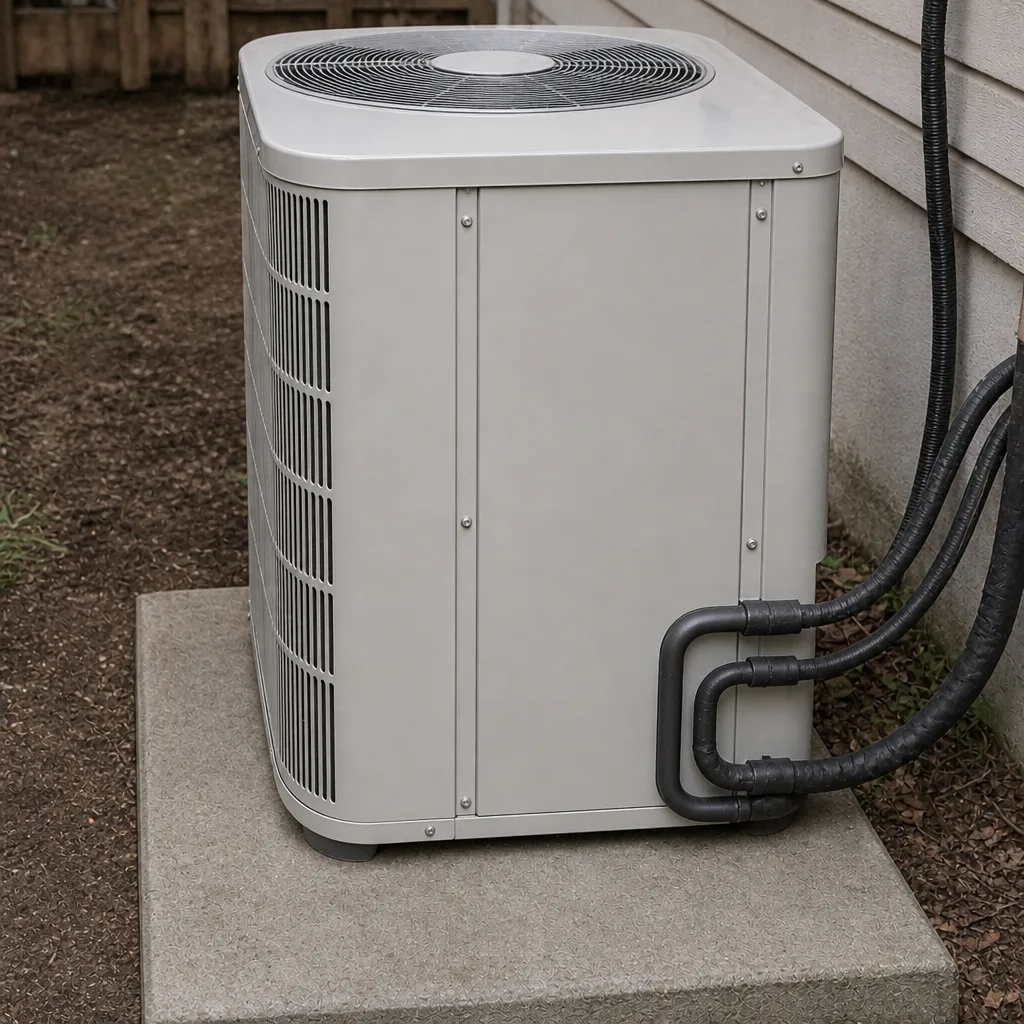
- Make sure the outdoor unit is secured to a proper pad and elevated above typical rain pooling.
- Confirm the contractor will coordinate permit timing around inspection availability, which can tighten during storm recovery periods.
How to Choose an AC Installation Contractor
Choosing a contractor matters as much as choosing a brand. Here’s a practical checklist for evaluating the companies you’re considering in the Deltona area:
- Ask for the load calculation. A contractor who runs Manual J produces a report and can walk you through the inputs.
- Verify the permit plan. They should explain the Volusia County process and file the permit themselves.
- Confirm brand coverage. A contractor tied to a single dealer network may steer you toward that brand. Ask what brands they service and whether their recommendation depends on your existing system.
- Request a written estimate. It should itemize equipment, labor, ductwork, permits, and any electrical work required.
- Ask about commissioning. Charge verification and airflow measurement after installation should be standard, not optional.
- Check warranty terms in writing. Manufacturer warranties vary; ask how long the labor warranty runs and what it covers.
- Ask about repair versus replacement. A good contractor will be honest about whether your existing system can be repaired economically or whether replacement makes more financial sense.
We work on your brand, whatever it is, and that approach carries through to installation recommendations. The right system is the one matched to your home, your ducts, and your budget, not the one tied to a dealer’s incentive program. If you’re also considering the heating side of your system, our guide to Deltona services covers the full scope of what we handle across heating and cooling.
What Install Day Actually Looks Like
An AC installation in Deltona usually takes one to two days for a standard changeout, longer if ductwork is being replaced or extensive electrical work is needed. Understanding the sequence helps you plan and helps you spot anything that seems off.
- Arrival and setup. The crew protects floors and work areas, positions equipment and materials, and confirms the scope against the permit.
- Removal of the old system. The existing condenser and air handler come out, and refrigerant is recovered per EPA requirements.
- Line set and electrical work. New refrigerant lines are routed if needed, and electrical disconnects and connections are brought up to code.
- Equipment setting. The new condenser is set on a proper pad, and the air handler is positioned and connected.
- Duct inspection and sealing. Ducts are checked for leaks and reconnect issues; sealing happens where needed.
- Startup and commissioning. Refrigerant charge is verified, airflow is measured, and system pressures are checked against manufacturer specs.
- Walkthrough. The crew explains the thermostat, filter maintenance, and how to read the equipment labels for future service.
- Inspection. The county inspector signs off, and the permit is closed.
Plan to be home for at least the final walkthrough and inspection steps. Ask the crew for the commissioning readings in writing; they’re your record if anything comes up later.
Common Mistakes to Avoid
- Sizing by square footage alone. This is the most common failure in Deltona installs, and it leads to oversized equipment that never dehumidifies properly. Insist on a Manual J report.
- Skipping the duct inspection. A new high-efficiency system on old, leaky ducts wastes efficiency and money. Have the ducts measured and sealed where needed.
- Chasing the highest SEER2 number. A 20 SEER2 system installed carelessly will underperform a well-commissioned 16 SEER2 unit. Efficiency ratings only hold when installation is done right.
- Skipping the permit. Volusia County permits protect you at resale and insurance time. A contractor who offers to skip the permit isn’t saving you anything worth the risk.
- Not asking about commissioning. Charge and airflow verification are the difference between a system that meets its rating and one that doesn’t. Ask for readings in writing.
- Installing during peak summer without a plan. If your system is already struggling, an emergency replacement is far more stressful than a planned fall install. If your system is older, have it evaluated before July.
- Ignoring the heater until winter. Cooling and heating share ductwork and electrical infrastructure. Evaluating both at installation time usually saves a service call later.
See the difference
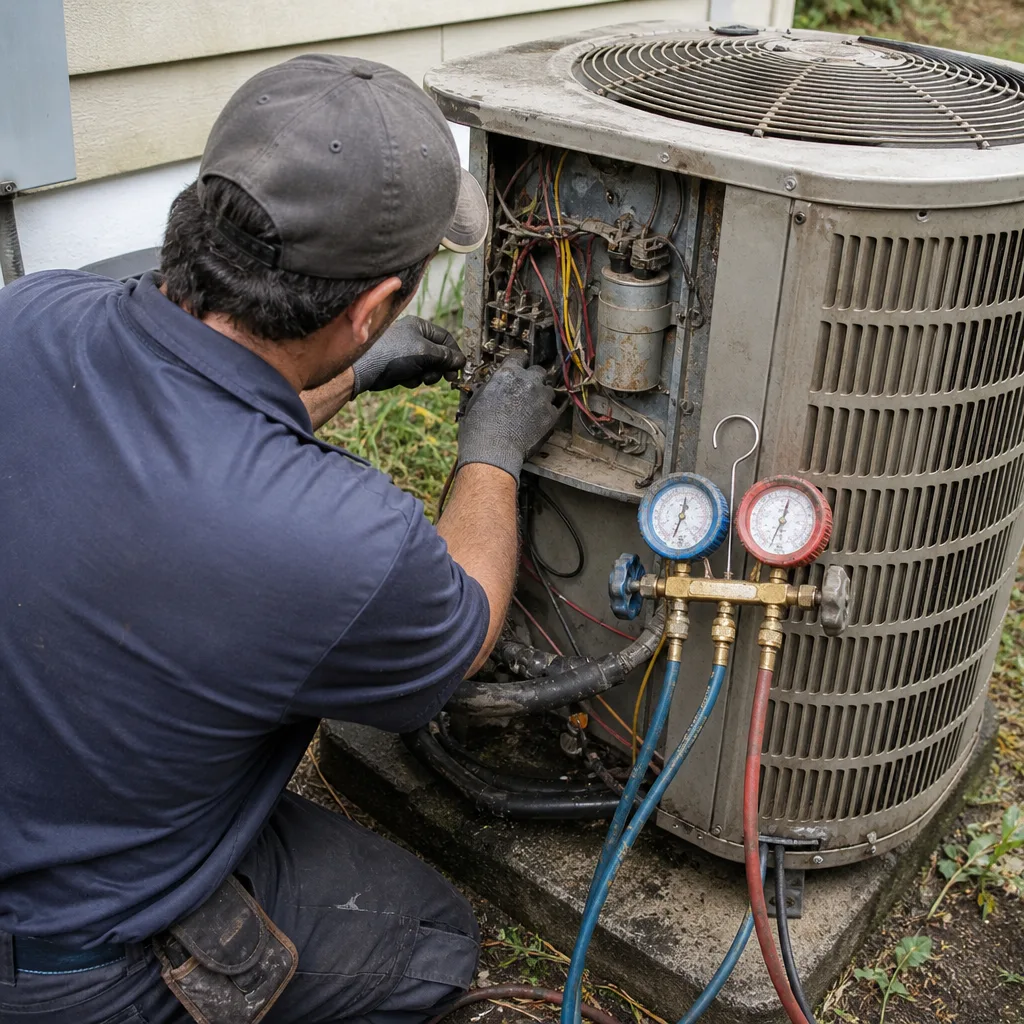 Before
 After
 Before
 After
 Before
 After
When to Call a Professional
Some jobs aren’t meant for a weekend project. Refrigerant handling, electrical connections, and the sizing calculations that determine equipment capacity all require training and licensing to get right. If your system is over a decade old and struggling to keep up, if you’ve noticed rooms that never cool properly, if your utility bills have climbed without explanation, or if you’re planning a major renovation that changes your home’s load profile, it’s time to talk to a professional. It’s also worth a call if your system was installed without a permit or without a documented load calculation; those problems tend to surface later and are easier to address proactively. Deltona AC Repair offers free estimates in Deltona. Call (888) 850-1463. We answer 24/7, with fast dispatch from 7am to 7pm, Sunday through Friday.
Frequently Asked Questions
AC installation in Deltona is priced per job, and the written estimate is what sets your final price. Cost depends on equipment size and efficiency, ductwork condition, electrical work needed, and whether the job requires permit-related modifications. A free in-home estimate that includes a load calculation is the only reliable way to know what your specific installation will run. Call (888) 850-1463 for a free estimate.
Replacement installations aren’t a same-day job because they require a load calculation, permit filing, and equipment ordering. We can usually get you on the schedule quickly, and we’ll book a firm install date. If your current system has failed, call anyway; we’ll do what we can to get you comfortable while the new system is prepared. Call (888) 850-1463 for scheduling.
Yes, AC replacement in Deltona requires a permit through Volusia County, and the installation is subject to inspection. Your contractor should file the permit and coordinate inspections. Keep the closeout documentation for your records. We can walk you through the permit process as part of your estimate; call (888) 850-1463 for details.
Mid-range SEER2 ratings, typically in the 15 to 16 SEER2 range, perform well in Deltona when the system is sized and commissioned correctly for humidity. Higher-efficiency units can be worthwhile, but only when the installation includes load calculation, duct inspection, and verified charge and airflow. A high rating on a poorly installed system won’t deliver the savings. Call (888) 850-1463 to talk through options for your home.
Repair makes sense when the system is within a reasonable portion of its expected lifespan and the repair cost is modest relative to replacement. Replacement becomes the smarter call when repairs are recurring, efficiency has dropped noticeably, or the system is handling a load it wasn’t designed for. A contractor who works on your brand should be able to give you an honest read. Call (888) 850-1463 for an assessment.
We’re trained on nine major HVAC brands: Carrier, Trane, Lennox, Goodman, Rheem, York, Daikin, Bryant, and American Standard. That breadth means we can evaluate and recommend based on your home and your budget, rather than steering you toward a single dealer network. Call (888) 850-1463 to talk through what fits your home.
A standard installation takes one to two days, and ductwork replacement or extensive electrical work can extend the timeline. The crew will walk you through the schedule during your estimate so you can plan accordingly. For a more detailed picture of the process, see our Deltona AC repair service pages. Call (888) 850-1463 to schedule a free estimate.
Aside from the install itself, our technicians have up to 12 years of experience and can help you understand what your current system is telling you before you commit to a replacement.
The Bottom Line
A successful AC installation in Deltona comes down to doing the calculation before ordering the equipment. Manual J sizing, humidity-aware SEER2 selection, duct inspection and sealing, a properly filed Volusia County permit, and documented commissioning are what separate a system that runs efficiently for a decade from one that underperforms from day one. Brand matters, but installation quality matters more. Schedule your install between October and February for the smoothest timeline, and hire a contractor who can show you the load calculation, the permit, and the commissioning readings in writing. To get started, call (888) 850-1463. We answer 24/7. Fast dispatch from 7am to 7pm, Sunday through Friday.
Have questions about your specific home? Our team works on your brand, whatever it is, and we’re glad to walk through the numbers with you before you decide. Reach out and we’ll schedule a free estimate.
Written by the team at Deltona AC Repair.