
Last updated November 16, 2026
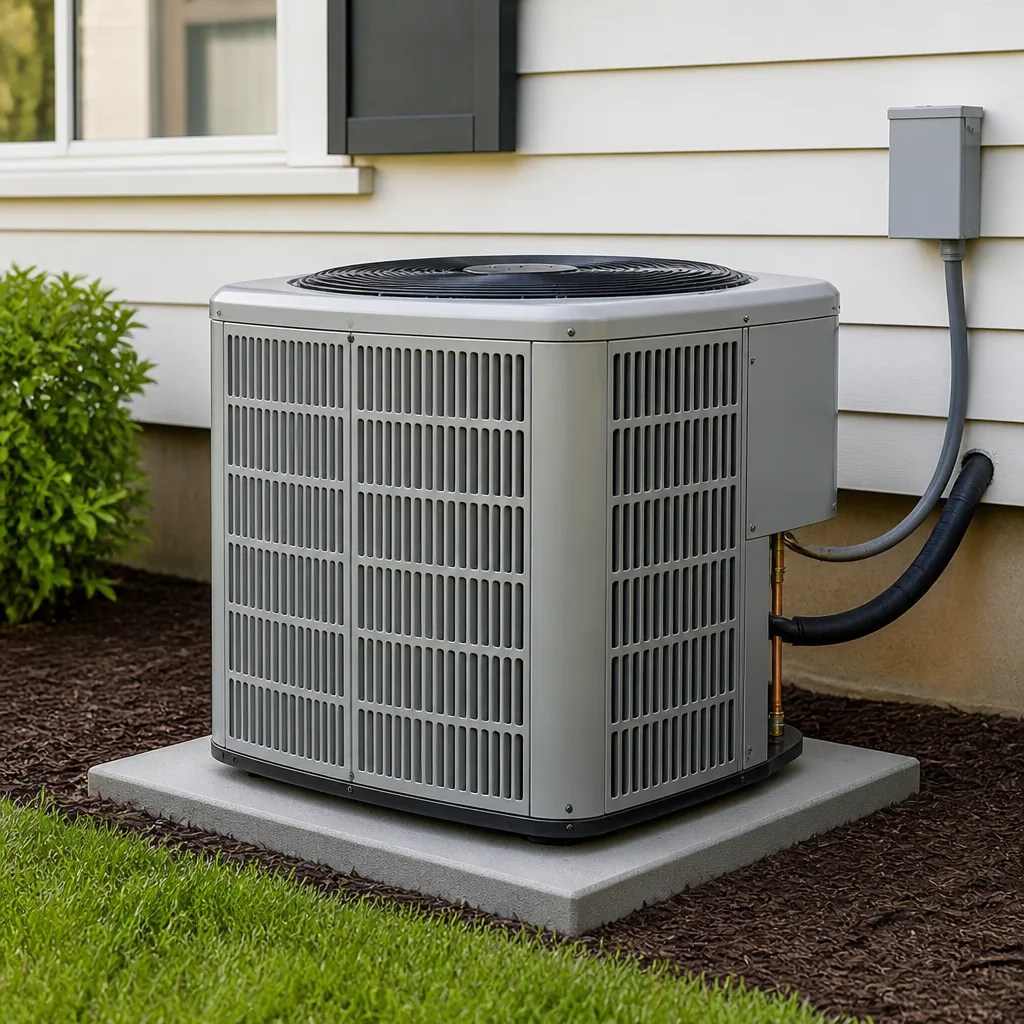 AC repair
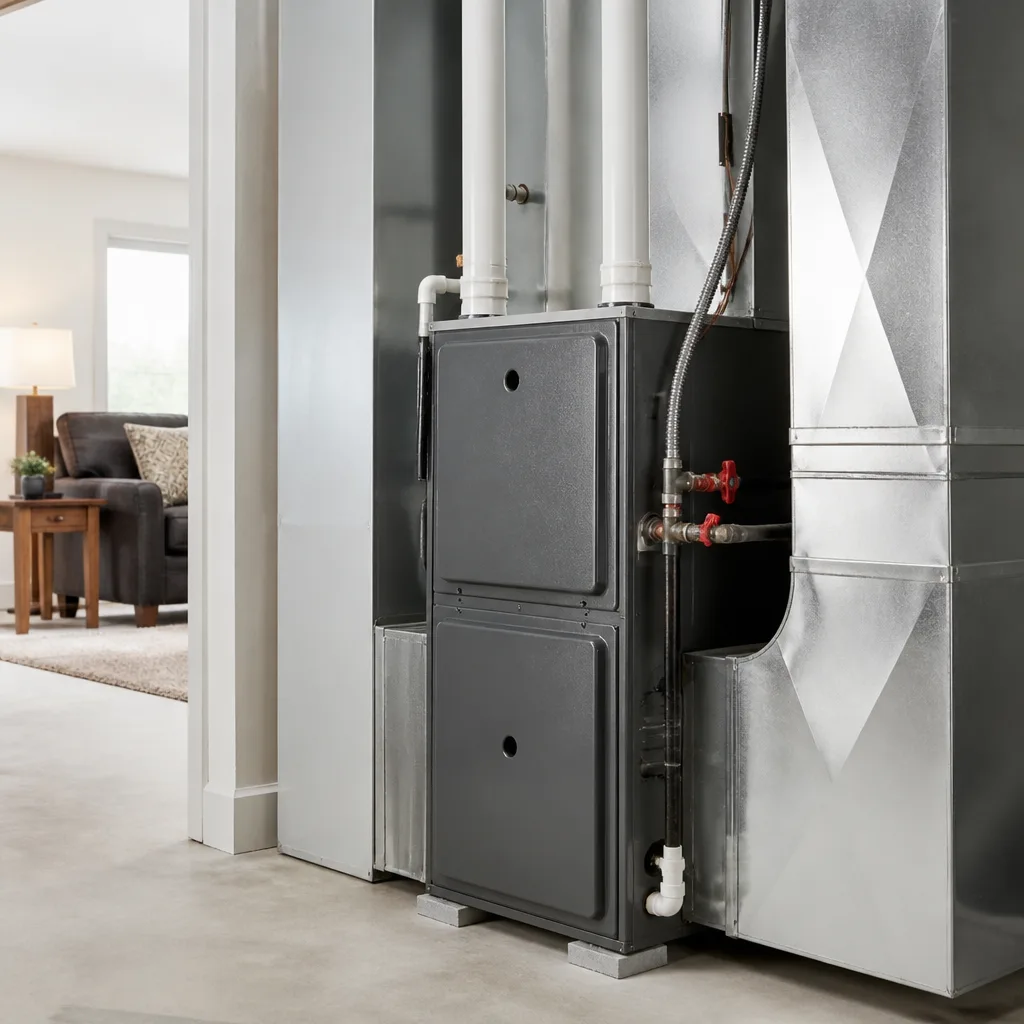 Furnace & heating
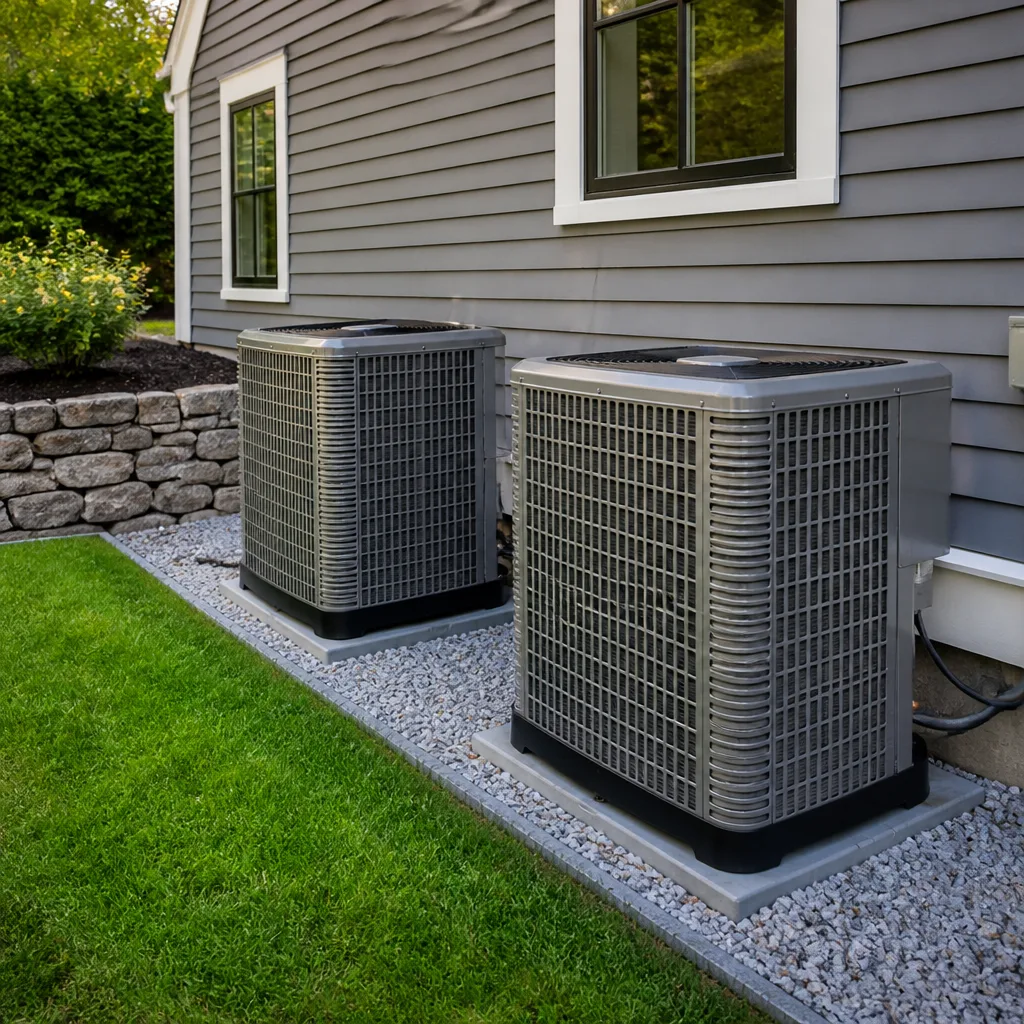 Heat pumps
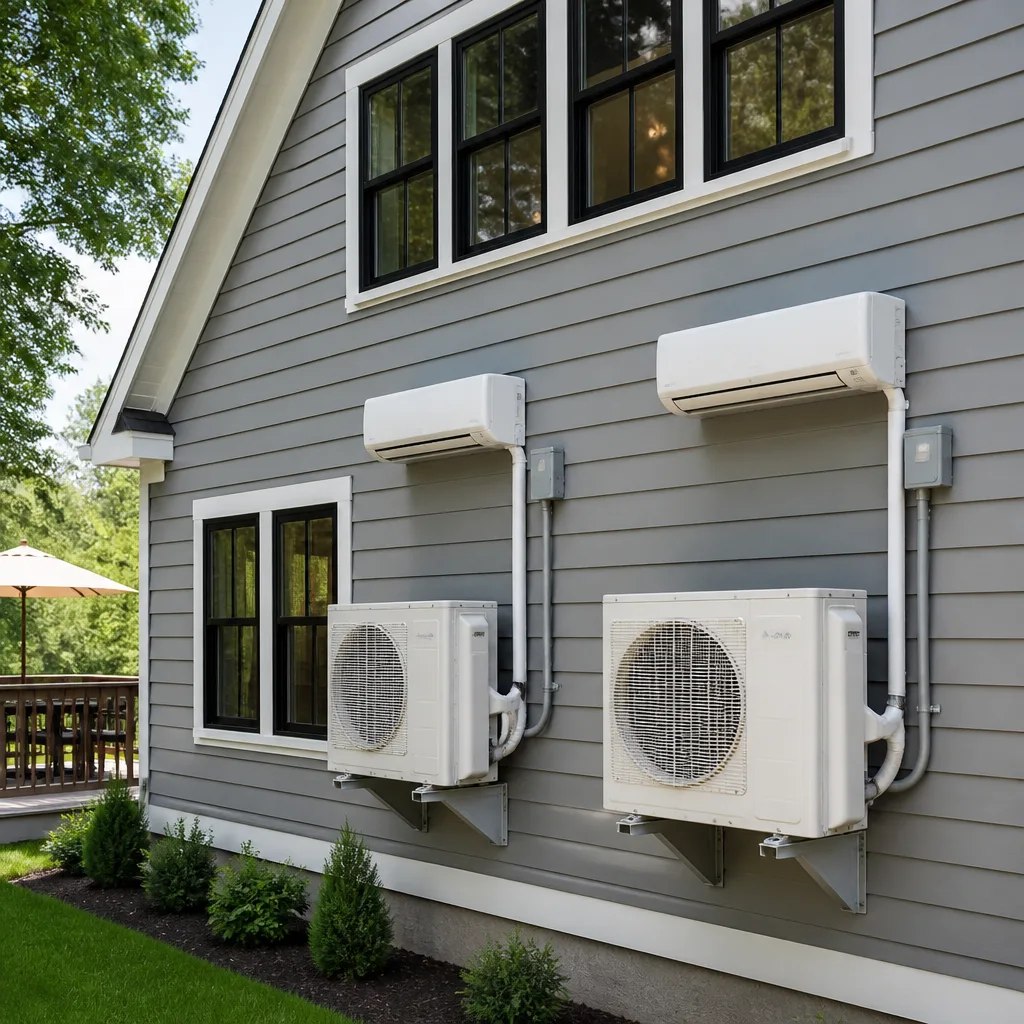 Ductless mini splits
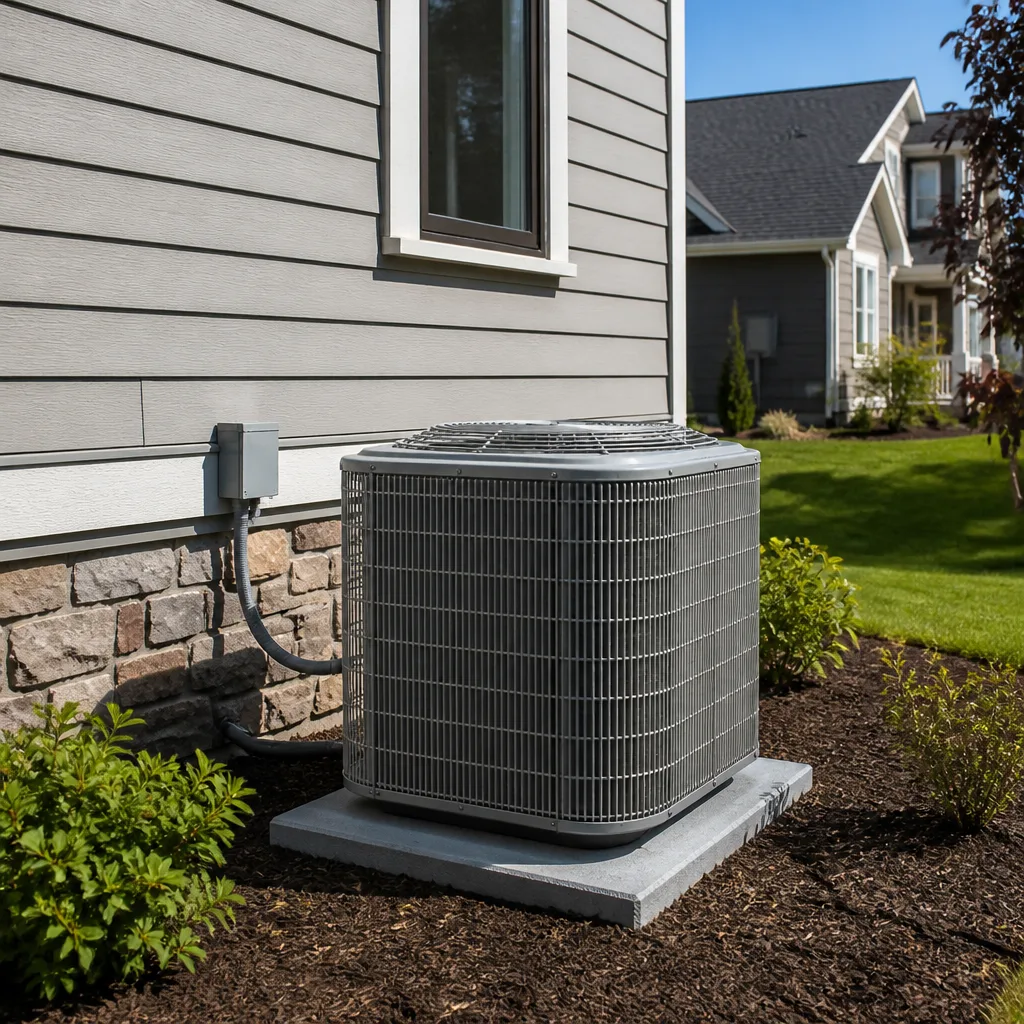 Carrier
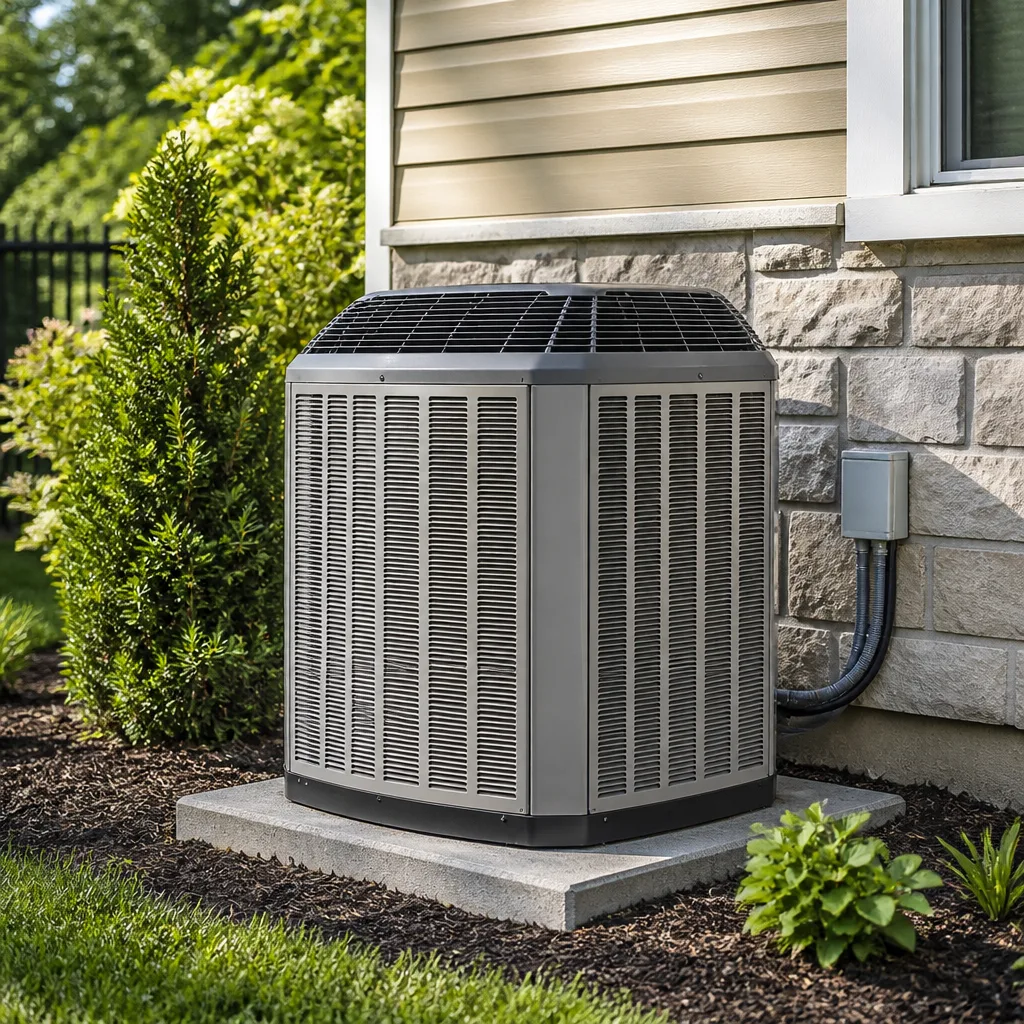 Trane
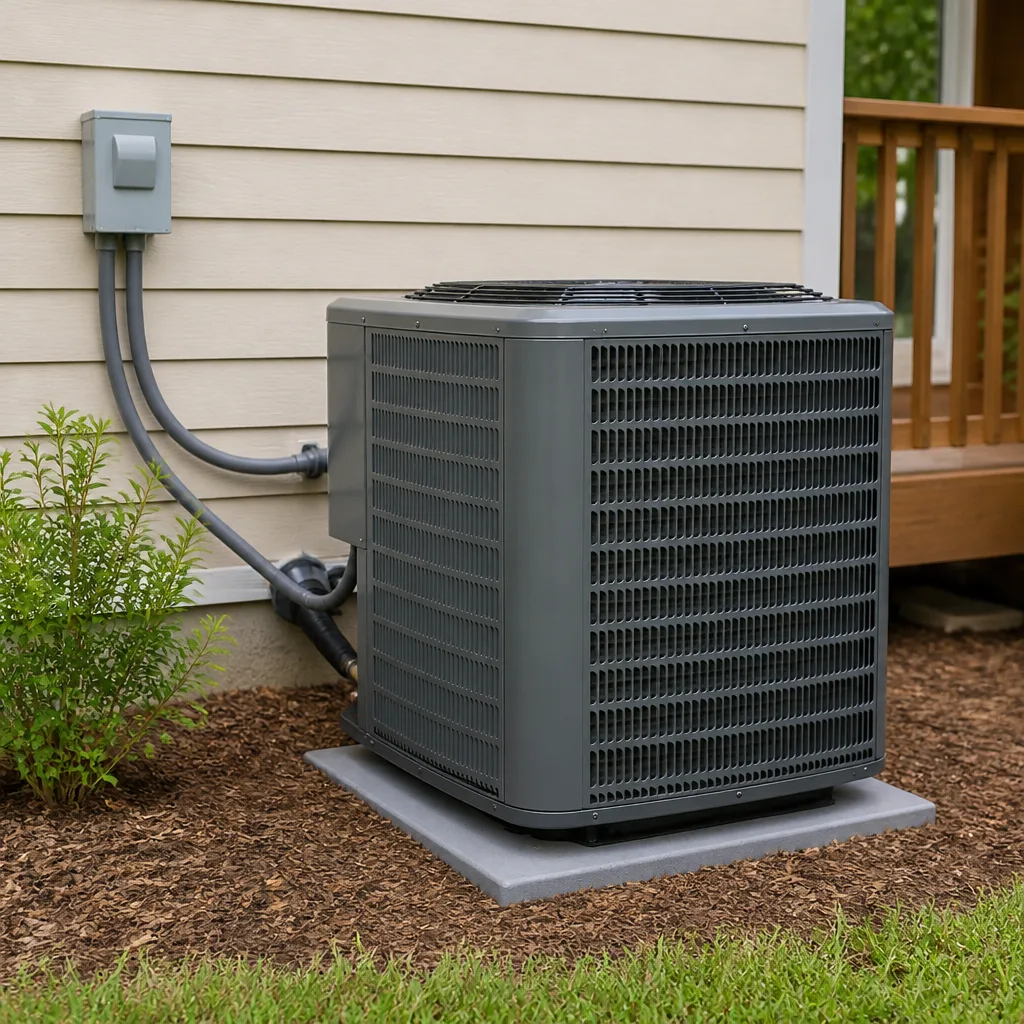 Goodman
Seasonal tune-up and full diagnostic on your Carrier, Trane, or Goodman system - readings shown to you before any repair is proposed
Diagnosis first, numbers second - you approve the repair price before a single part goes in.
Get your free estimateChoosing the Right HVAC Brand: A Buyer’s Guide for Deltona
Most homeowners shop for HVAC brands the way they shop for cars: by reputation, by badge, by what a neighbor said worked for them. That’s the wrong starting point. A top-rated nameplate is worth very little when your system quits in the middle of an August heat wave and the nearest parts distributor for that manufacturer sits in Orlando, or when the technician in your driveway has never opened up that particular equipment line. In Deltona, the brand on the condenser matters far less than the network standing behind it – parts availability, service depth, and technicians who actually know the equipment. This guide walks through how to judge a brand by what it will do for you when something breaks, how to read reliability data instead of marketing brochures, and where the real differences between Carrier, Trane, Daikin and the rest actually show up.
Quick Answer
The right HVAC brand for a Deltona home is the one with strong local parts availability, a service network that knows the equipment, and a spec sheet that fits central Florida’s humidity – not the brand with the biggest advertising budget. For most homes here, a mid-tier Carrier, Trane, Lennox or Daikin system with a variable-speed or two-stage air handler outperforms a premium nameplate installed by a contractor who can’t get parts for it. Judge the dealer network first, the model tier second, and the nameplate last.
Styles & brands we work with
- AC repair
- Furnace & heating
- Heat pumps
- Ductless mini splits
- Carrier
- Trane
- Goodman
Table of Contents
- Why Brand Alone Doesn’t Keep You Cool
- Which Brands Have Real Parts Coverage in Volusia County
- How to Read HVAC Reliability Data Like a Technician
- The Tier Structure Inside Every Brand
- What Central Florida Climate Demands From a System
- Why a Multi-Brand Contractor Is a Structural Advantage
- A Step-by-Step Way to Choose Your Brand
- Repair or Replace: How the Brand Factors In
Why Brand Alone Doesn’t Keep You Cool
A brand is a promise about manufacturing and warranty support. It’s not a promise about how fast a technician can put a new condenser fan motor in your unit on a hot afternoon. Those are different things, and in Deltona the second one matters more.
Here’s how the chain actually works. When your AC fails, the technician diagnoses the fault and needs a replacement part. If that part is sitting in a distributor’s warehouse in Orlando, Daytona Beach or Sanford, the repair might finish the same day. If it has to be ordered from a regional hub because the local distributors don’t stock that manufacturer’s equipment, you’re waiting. That delay has nothing to do with how good the brand is. It has everything to do with how the brand’s distribution is set up in this corner of Florida.
We’ve seen this play out across Deltona and the surrounding Volusia County communities. The brands that get back online quickest aren’t always the most famous ones. They’re the ones with the widest local parts footprint and the deepest bench of technicians trained on them.
There’s a second layer, too: the technician’s familiarity. A contractor who works on nine major brands every week develops a working knowledge of which failure modes show up where. A single-brand dealer might know their one line deeply but won’t have that comparative context. A generalist handyman who touches everything will know none of it. What you want is the technician who’s seen the same compressor contactor or TXV fail across a hundred systems and can pattern-match on the spot.
None of this means the brand doesn’t matter. It means brand is the first question, not the last. The next sections explain how to compare brands on the things that actually predict your experience: parts coverage, reliability data, tier differences, and how well the equipment handles Florida humidity.
Which Brands Have Real Parts Coverage in Volusia County
Parts coverage varies by region. The easiest way to judge it: the brands with the widest contractor network and most distributor locations in central Florida tend to have the fastest repair turnarounds. Here’s how the major names stack up for Deltona homeowners.
Brands with established local distribution
- Carrier and Bryant (they share parent company and much of their parts architecture): deep distributor coverage across central Florida. Carrier is the brand most technicians are trained on first, and Bryant is the value-tier sibling that uses much of the same engineering. Parts availability for both is strong.
- Trane and American Standard (also siblings under the same parent): solid distributor presence in the Orlando-Daytona corridor. Trane’s commercial footprint in the region keeps parts moving for the residential side too.
- Lennox: reliable coverage through regional distributors. Slightly thinner than Carrier or Trane in Volusia County but still workable; lead times on less common components can run longer.
- Daikin and Goodman: both have heavyweight distribution reach in Florida, and Daikin in particular has invested heavily in North American manufacturing and dealer networks. Goodman is the value play with the widest DIY-friendly parts channel, which also means contractors can source parts quickly. Daikin’s inverter-driven equipment has become common across central Florida new construction.
- Rheem (with its sibling Ruud): solid distribution but typically a step behind the top tier for local stock on less common parts.
- York: present locally but less widely stocked. Repairs sometimes need an order-in part.
What does this mean in practice? If your system fails in August, a Carrier, Trane, Daikin or Goodman unit is more likely to be repaired the same day because the common failure parts – capacitors, contactors, blower motors, igniters – are on shelves nearby. A less widely stocked brand might add a day or two to the same repair.
The questions to ask a contractor
- Which brands do you work on regularly, and which do your technicians have specific training for?
- Where do you source parts from, and how quickly can you get common components?
- Do you have experience with my specific model and its known failure points?
- If a part is not locally stocked, what’s the typical lead time?
- Are you certified or factory-trained on my equipment line?
A contractor who can answer those five questions specifically – not vaguely – is one whose recommendations you can trust. A contractor who deflects with “we work on everything” without naming the lines is telling you something.
How to Read HVAC Reliability Data Like a Technician
Marketing materials will tell you every brand is the most reliable. Third-party data tells a more mixed story. Here’s how to read the data that actually matters, without getting buried in the weeds.
Start with AHRI certification records
AHRI (Air-Conditioning, Heating, and Refrigeration Institute) maintains the certified directory that matches matched systems – condenser, coil and air handler combinations – to their rated efficiency and capacity. When a contractor recommends a specific combination, you can look up whether the pairing is actually certified to deliver the SEER2 or HSPF2 rating quoted. This matters because mixed-match systems (a condenser from one brand paired with a coil from another) often lose efficiency and may not be AHRI-certified. Ask to see the AHRI reference number for the proposed system.
Use consumer failure-rate surveys with a grain of salt
Consumer Reports and similar surveys publish brand-level reliability data based on reader-reported failures. The data is useful but has limits: it tracks specific product categories, mixes models across tiers, and reflects the age of the equipment reported. A brand that’s improved its manufacturing recently may still carry a historical reliability score from older generations.
Read surveys for patterns, not verdicts. If three independent sources show the same brand repeatedly landing at the bottom of its category over multiple years, that pattern is real. If a brand shows a poor rating driven by one problematic product line, check whether the specific model you’re considering belongs to that line.
What technicians actually see
In our experience across Deltona, the failure patterns are more specific than brand-level. Certain models have known weak points: blower motor bearings, control boards, coil corrosion, reversing valve failures on heat pumps. A good contractor will tell you which models have given them headaches and which have held up. That’s real reliability data – not from a survey, but from the field. It’s not a substitute for published data, but together they give you a much clearer picture than either alone.
What to ignore
- Brand-owned review scores displayed on a dealer’s website
- “Best of” awards from dealer networks (they often pay for placement)
- Warranty length used as a proxy for quality – long warranties on cheap parts still cost you downtime
- Any claim that a specific brand is reliable “by reputation” without numbers
The Tier Structure Inside Every Brand
Here’s the part most brand comparison articles skip: a Carrier Comfort series and a Carrier Infinity series are not the same product. They share a nameplate, some component architecture and the parent company, but they’re built to different price points and performance targets. The same is true inside Trane (XR vs. XR vs. XV), Lennox (Merit vs. Elite vs. Dave Lennox Signature), Daikin (Fit vs. DX vs. VRV) and every other brand on the market.
Comparing brands by nameplate alone is like comparing two cars because they’re both Toyotas – ignoring that one’s a Corolla and one’s a Land Cruiser.
The three tiers, generally
- Entry tier (Carrier Comfort, Trane XR, Lennox Merit, Goodman GSX): single-stage compressor, standard efficiency. These are workhorse units for budget-focused installs, rental properties, or homes where a single-stage system handles the load comfortably. Expect to see these most often in older Deltona homes with simpler ductwork and modest square footage.
- Mid tier (Carrier Performance, Trane XR series higher models, Lennox Elite, Daikin DX): two-stage or variable-speed compressors, better seers, better humidity control, quieter operation. This is the sweet spot for most central Florida homes, because the two-stage operation gives you longer, gentler run times – which matters more here than in dry climates.
- Premium tier (Carrier Infinity, Trane XV, Lennox Signature, Daikin VRV): fully variable-speed, advanced controls, communicating systems, top-end efficiency. Worth the investment on larger homes or homes with unusual humidity control needs, or when you plan to stay long-term.
Why this matters for brand selection
If you’re comparing a top-tier Goodman against an entry-tier Carrier, the two aren’t in the same competition. The right comparison is entry versus entry, mid versus mid. Once you line up the tiers, the differences between brands narrow considerably – most names carry a full range, and the real question becomes what tier fits your home and budget.
That’s where the brand-agnostic approach matters. A contractor locked into one brand has only their own tier structure to work with. A contractor certified on nine brands has a much wider ladder of choices before they have to compromise on specs. When we spec a system, we look at the tier that makes sense for the home, then pick the brand whose best-fitting product in that tier is available and supported locally.
What Central Florida Climate Demands From a System
Deltona is hot, humid, and cooling-dominated. That shapes which features actually matter and which are just spec-sheet bragging rights. Here’s what to prioritize.
Humidity handling is the first filter
Florida’s real comfort problem isn’t the temperature – it’s the humidity. A system that cools effectively but doesn’t dehumidify well leaves you with a house that feels clammy even at 74 degrees. Humidity also affects indoor air quality and structural moisture over time. Single-stage compressors are worst at this because they cycle on and off, and only run long enough to hit the thermostat setpoint, not long enough to pull moisture out of the air.
Two-stage and variable-speed systems run longer, lower and more consistently, which pulls more moisture out. On a Deltona install, we usually recommend at least two-stage capability if the budget allows, and variable-speed if the home has humidity issues the owner wants to solve permanently.
Coil corrosion resistance
Indoor and outdoor coils face constant humidity, and the outdoor coil on a Florida unit is exposed to moisture, dust and airborne debris year-round. Coil corrosion is one of the leading causes of premature system failure here, and the quality of coil construction varies meaningfully between brands and tiers. Look for systems where the coil carries a warranty of longer than the standard, and ask the contractor whether the coil in the proposed unit is constructed to hold up in a hot, humid climate. Some brands now offer enhanced corrosion protection at the premium tier – worth knowing about if you’re planning a long-term install.
Variable-speed at mid-tier price points
Historically, variable-speed compressors were a premium-tier feature. That’s changing. Daikin and Carrier in particular have pushed variable-speed and inverter technology into more affordable tiers. If variable-speed capability is available at a mid-tier price, that’s often the single best upgrade for a central Florida home, because it combines humidity control, efficiency and quiet operation in one move.
What to deprioritize
- Heating efficiency – Florida winters are mild, so a heat pump’s HSPF2 rating matters less than its SEER2 rating for most homes here
- Defrost cycle features designed for cold climates – still present on a heat pump but not the deciding factor
- Extreme-cold-rated systems – not relevant in Deltona
If you’re replacing a furnace or need heating service on existing equipment, the same logic applies differently: you’ll want a technician who services both sides of the system so the heating and cooling gear work together rather than fighting each other. More on that in the next section.
Why a Multi-Brand Contractor Is a Structural Advantage
Here’s the part of brand selection most buyers don’t factor in: the contractor’s incentive structure. A single-brand dealer has a manufacturer relationship, dealer incentive programs, and volume targets that all pull toward a specific product line. That doesn’t make them bad – plenty of single-brand dealers do excellent work. It does mean that when you ask “which brand should I buy?”, their answer is structurally constrained.
A multi-brand contractor works from a different starting point. We’re certified to work on nine major brands – Carrier, Trane, Lennox, Goodman, Rheem, York, Daikin, Bryant and American Standard – which means we diagnose the system in front of us rather than defaulting to one manufacturer. When a homeowner asks which brand to install, we can name the model that fits their ductwork, their budget and their humidity needs, then pick the brand that delivers it best in that tier.
What that looks like in practice
- No upsell pressure. We don’t have a quota to hit for any manufacturer, so the recommendation starts with the home’s actual load and ductwork, not with the available product line.
- Wider installer choice. If a specific model is on backorder or local parts distribution is thin, we can pivot to an equivalent that fits the same criteria, rather than forcing a wait or a compromise.
- Repair-first thinking. Brand-agnostic service on legacy equipment means we can honestly tell you whether a repair makes financial sense – including on brands we don’t sell new, but that are still widely supported.
- Cold-side and hot-side continuity. Single-company scope across AC installation and furnace repair means nobody’s pointing fingers when the whole system needs to be assessed as a unit.
For a homeowner, this translates to a straightforward trade: more options, less pressure. Some companies handle either heating or cooling, forcing you to keep two contractors in your contact list. One company that handles both – Deltona AC Repair being one example – covers the entire system lifecycle from a single point of contact, whether that’s an emergency repair, a planned install, or a decision between the two.
How to spot a genuinely brand-agnostic contractor
- They ask what your existing system is before recommending anything
- They name multiple brands and explain the differences between them
- They discuss repair versus replacement honestly, including cases where repair is the better call
- They can tell you which brands they’re specifically trained on, not just “we work on everything”
- They quote options in more than one tier and brand rather than presenting a single package
A Step-by-Step Way to Choose Your Brand
If you’re starting from scratch on a new system or replacement, this is the sequence we’d recommend. Each step builds on the last.
- Confirm the scope. Is this a full system replacement, a furnace-only job, an AC-only install, or a repair that might turn into a replacement? The answer changes which brands are in play. A furnace decision is different from an AC decision, and mixed decisions happen.
- Get a load calculation. A proper Manual J load calculation tells you how much cooling and heating capacity the home actually needs. Size comes first; brand comes second. Oversized systems don’t dehumidify well and short-cycle themselves into early failure. This step is non-negotiable in a Florida install.
- Shortlist based on tiers. Once you know the size, identify the tier (entry, mid, premium) that matches the home and budget. Then identify which brands in that tier offer the features you need – variable-speed, humidity control, coil construction.
- Check local parts coverage. For each shortlisted brand, ask the contractor which common parts are locally stocked and what lead times look like for less common ones. This is where a brand with strong Volusia County distribution wins out.
- Confirm AHRI certification. Ask for the AHRI reference number for the exact system combination proposed. The pairing should be certified to deliver the efficiency rating quoted.
- Review the warranty against the parts. Long warranties on cheap parts still cost you downtime. Look at what’s actually covered: compressor, coil, labor, refrigerant. Understand what the warranty excludes.
- Request the written estimate. Get the full system spec, the model numbers, the AHRI certification, the tier comparison, and the installation plan in writing. Any brand worth installing is worth a written estimate.
- Ask what happens when it breaks. The last question, and the most important one. Who do you call, how fast can they source a part, and what does the service relationship look like. Brand is a promise about manufacturing – the dealer network is what delivers on it.
If you take only one thing from this guide, take step eight. The rest of the process is about choosing the equipment. Step eight is about choosing the company that has to live with that equipment on your behalf.
Repair or Replace: How the Brand Factors In
Brand selection and the repair-versus-replace decision are usually treated as separate topics. They’re not. Your existing brand drives both the repair cost and the replacement decision in ways that are worth understanding.
A repair decision is cheaper on brands with strong local parts coverage. Common parts on a Carrier, Trane, Daikin or Goodman system are typically on a shelf within a short drive of Deltona, so the labor time is short and the repair feels proportionate. A less widely stocked brand may push the same repair higher simply because the part has to travel.
A replacement decision should factor in remaining efficiency, tier of the current equipment, and expected remaining life. A top-tier Trane or Carrier system with components still holding strong might be worth repairing even if the age suggests replacement. An entry-tier Goodman from many years ago with multiple weak components might tip the balance faster.
On the heating side, the calculation is similar but the timing is different. Furnace repair is often the better call, especially on systems that haven’t been through a major component failure yet. Furnace replacement becomes the right call when the repair cost edges close to a meaningful fraction of the replacement cost, or when the parts are hard to source for the existing equipment. Either way, the assessment should come from a technician who works on your brand, not a salesperson working from a script.
If the recommendation is replacement, the tier and brand selection then kicks in – which is the whole subject of the earlier sections. The decision is never “brand A vs. brand B.” It’s “the equipment that fits my home and my budget, supported locally.”
Common Mistakes to Avoid
- Choosing a brand by the nameplate alone. A Carrier Comfort and a Carrier Infinity share a name but little else. Compare the actual model and tier, not the badge.
- Skipping the load calculation. Installing an oversized system because “bigger is better” is a common Deltona mistake. Oversized units short-cycle, dehumidify poorly and fail earlier. Size comes first.
- Assuming the biggest brand always has the best local service. In Deltona, service depth is governed by parts distribution and technician familiarity. A better-known brand with thin local supplier coverage can mean a longer wait than a more common model with stocked neighborhood distribution.
- Taking a single quote from a single-brand dealer. It’s structurally impossible to get a brand-agnostic recommendation from a dealer tied to one manufacturer. Ask for at least one multi-brand perspective.
- Ignoring humidity control. In central Florida, a system that cools but doesn’t dehumidify leaves you uncomfortable and creates a moisture problem inside the home. Two-stage or variable-speed operation is worth the premium here.
- Judging by the warranty length alone. Long warranties on unreliable parts still cost you time and money. Read the warranty’s exclusions carefully and ask which specific components are covered.
- Not asking about the contractor’s brand certifications. A contractor unfamiliar with your brand can still repair it – but they’ll be slower, and they’ll miss pattern-matching experience on known failure points.
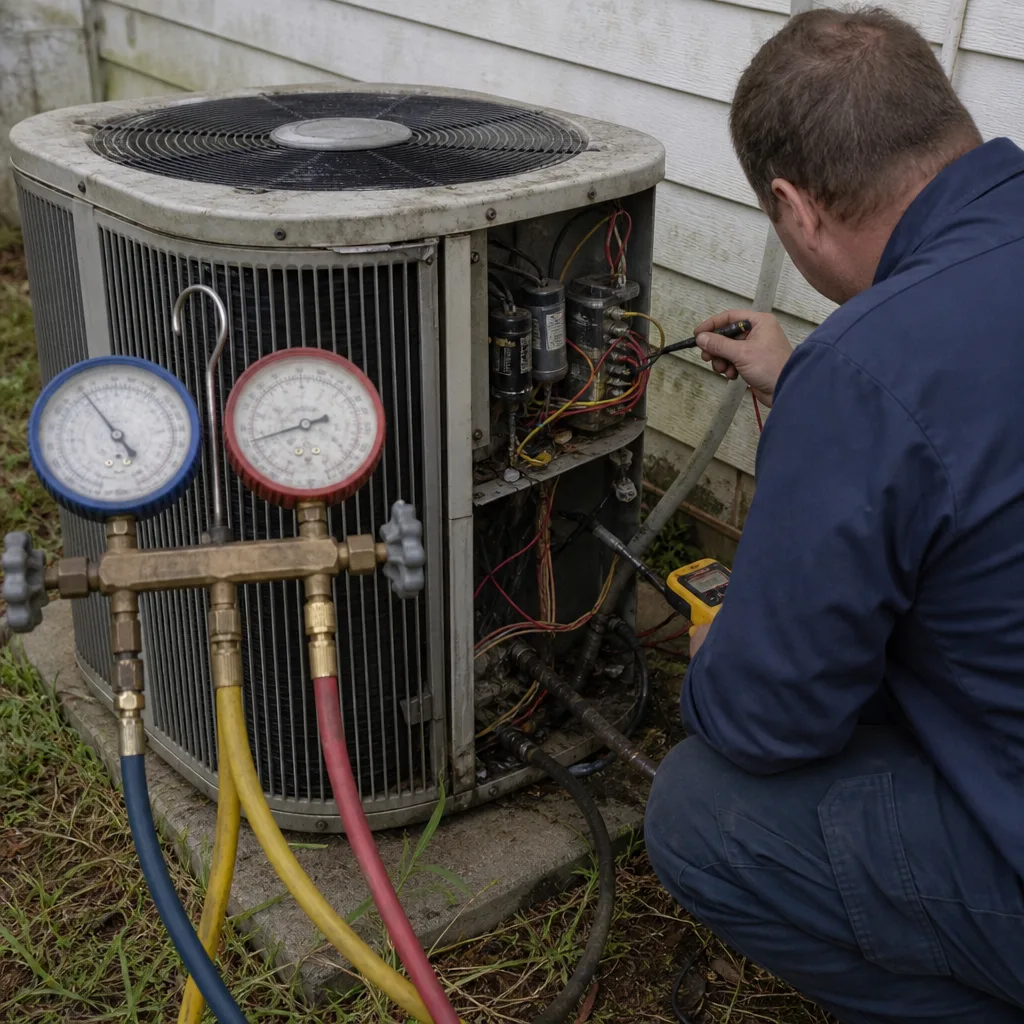
See the difference
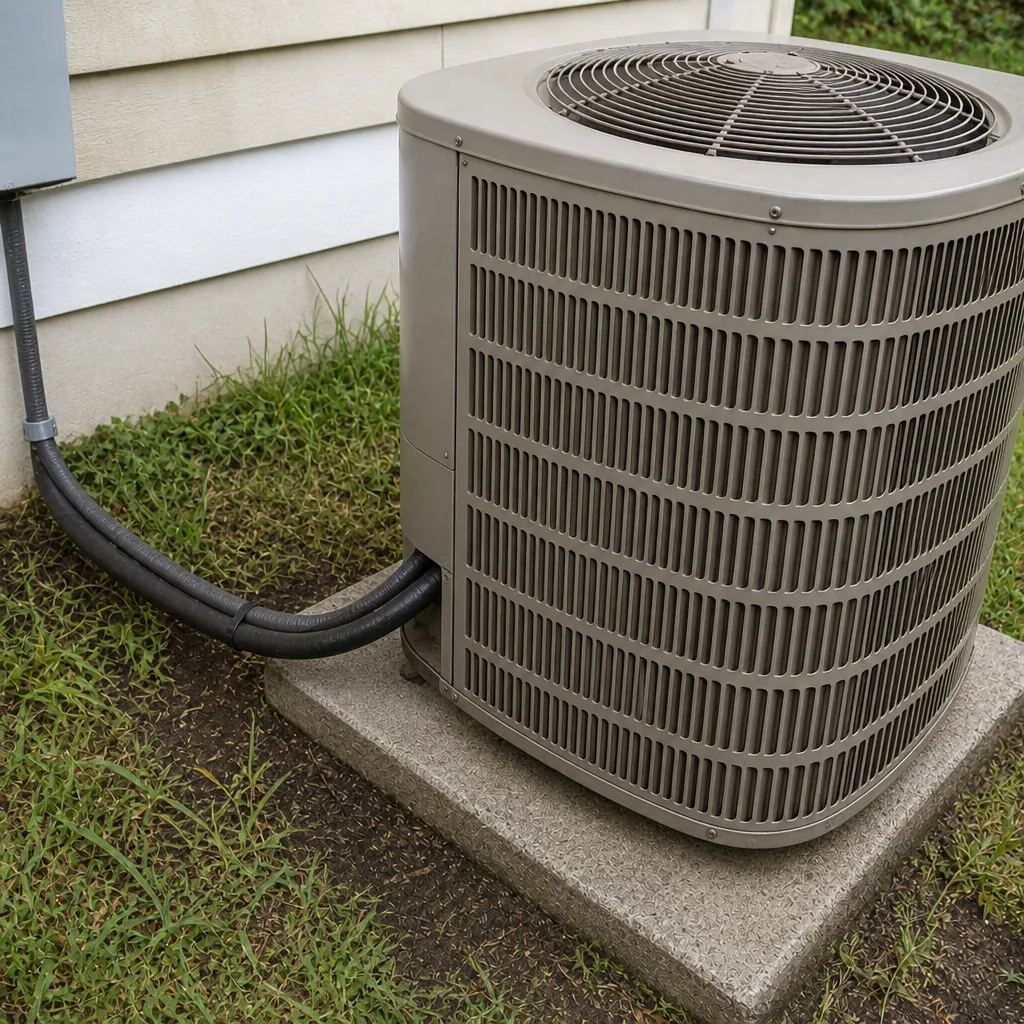
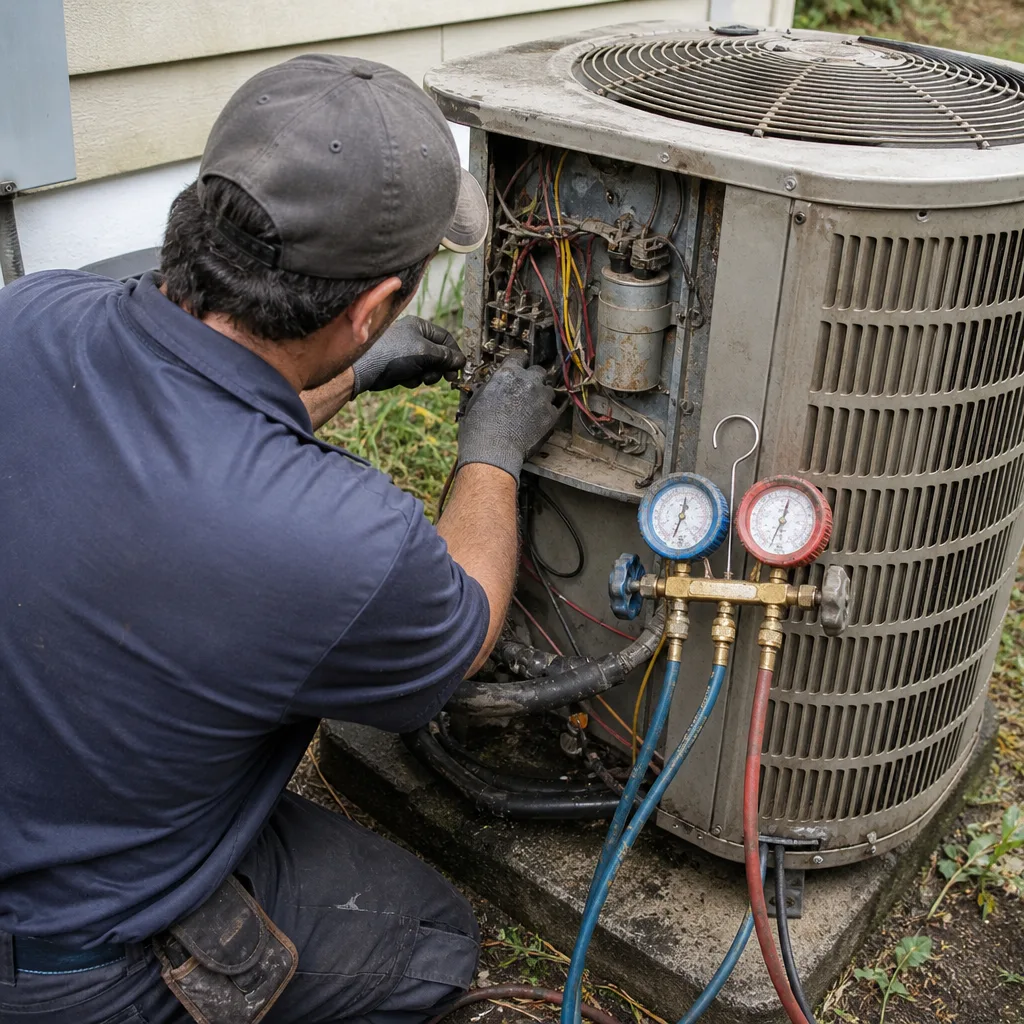 Before
 After
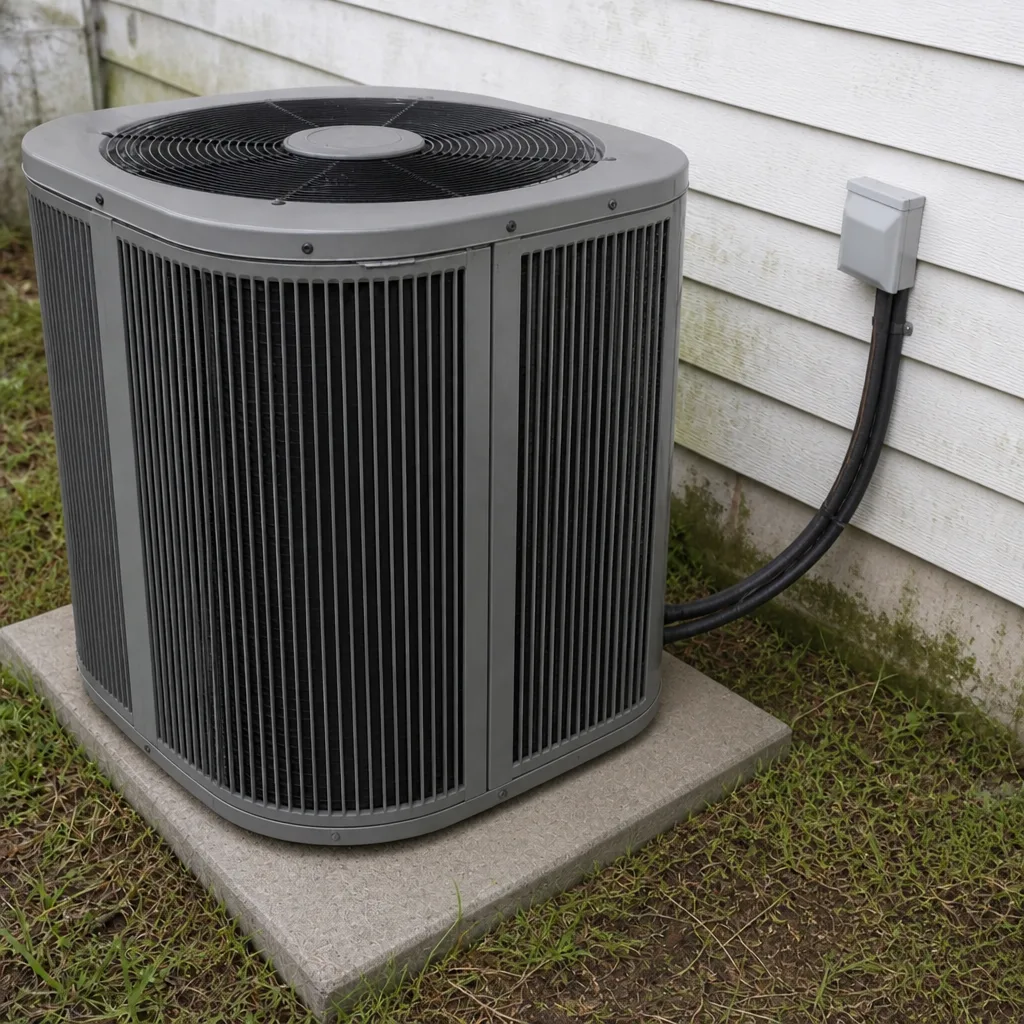
 Before
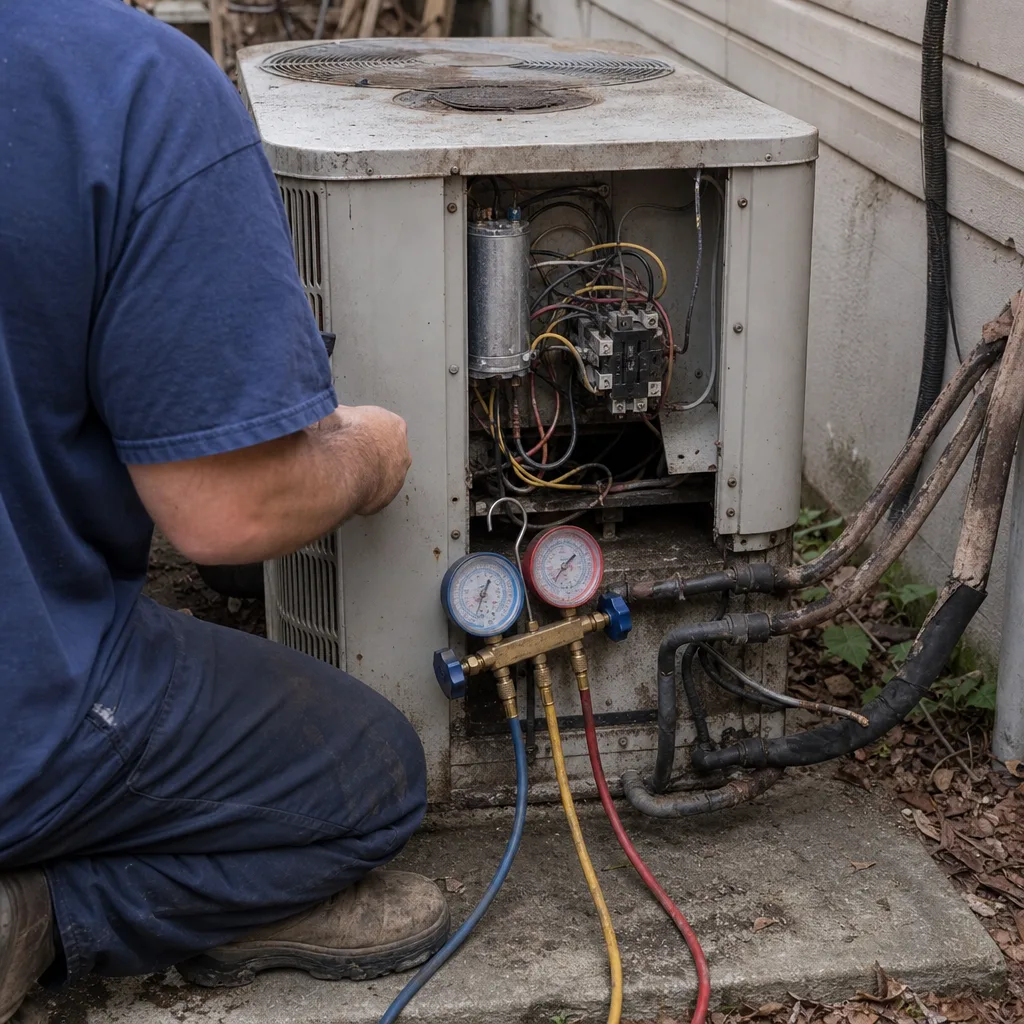
 After
 Before
 After
When to Call a Professional
Any system failure is worth a call, and in Deltona that call should be answered quickly. The specific situations that warrant picking up the phone include: your system blows warm air during cooling season; the unit runs but the house won’t hold temperature; you hear repeated short-cycling; the system trips the breaker; you smell burning or notice ice on the refrigerant line (which is a sign of low refrigerant, not cold operation); the indoor unit leaks water; the system hasn’t been serviced in more than a year; or you’re facing a repair-or-replace decision and want an honest assessment on your brand of equipment.
Deltona AC Repair offers free estimates in Deltona – call (888) 850-1463. We answer 24/7. Fast dispatch from 7am to 7pm, Sunday through Friday. Our technicians have up to 12 years of experience and are trained across nine major brands, so the recommendation you get is based on the equipment in front of us, not a manufacturer program.
Frequently Asked Questions
There’s no single best brand – the best pick for your home is the brand whose parts are locally stocked, whose tier matches your budget, and whose technician network knows the equipment. For most Deltona homes, a mid-tier Carrier, Trane, Lennox or Daikin system with humidity-control features outperforms a premium nameplate installed without local support. Call (888) 850-1463 for a free estimate and we’ll walk through the options for your specific home.
Carrier, Bryant, Trane, American Standard, Daikin and Goodman typically have the widest local parts distribution across central Florida, meaning common failure parts are more likely to be on hand when a repair is needed. Lennox and Rheem have reliable but slightly thinner coverage. York tends to require more order-in parts. The practical effect is turnaround time: common parts mean faster repairs, which matters most during a summer failure. Call (888) 850-1463 to discuss what your specific brand can get locally.
System cost for a typical Deltona home depends on size, tier and whether ductwork changes are needed; we can only tell you your number after a load calculation and a written estimate, so we won’t publish a guess. The right approach is to get a written estimate that specifies the system, model numbers and AHRI certification. Call (888) 850-1463 for a free estimate – we’ll come out and give you a written number.
Repair is usually the better call when the repair cost is a modest fraction of replacement cost, the equipment is in a mid or upper tier, and the rest of the system is sound. Replacement becomes the right call when repairs start stacking up, parts are hard to source, or efficiency losses are compounding. Furnace repair versus furnace replacement follows the same logic on the heating side. Call (888) 850-1463 and we’ll give you an honest assessment of your specific system, not a sales pitch.
Yes, for most Deltona homes – variable-speed operation handles Florida’s humidity better than single-stage because it runs longer, lower and more consistently, pulling more moisture out of the air. The catch is that variable-speed capability is only available at certain tiers, so budget matters. If your budget allows it, it’s usually the best single upgrade you can make. If it doesn’t, two-stage at the mid tier is still a big step up from single-stage. Call (888) 850-1463 to talk through which fits your home and budget.
If your equipment is Carrier, Trane, Lennox, Goodman, Rheem, York, Daikin, Bryant or American Standard, our technicians have specific training and experience on it. That’s the whole set of brands we’re prepared to work on – we don’t claim coverage of anything outside that list. If your brand falls outside those nine, we’ll tell you honestly rather than guessing. Call (888) 850-1463 with your model information and we’ll confirm.
The Bottom Line
Brand matters, but it isn’t the first question. For a Deltona homeowner, the sequence that actually protects your comfort is: get a proper load calculation, shortlist by tier rather than nameplate, check which brands have real local parts coverage in Volusia County, confirm AHRI certification for the exact system combination, and choose a contractor whose recommendation is structurally free of single-brand pressure. The brands on that list – Carrier, Trane, Lennox, Daikin, Goodman, Rheem, York, Bryant and American Standard – offer strong options across all tiers. What separates them in the real world isn’t the lab spec. It’s the parts on a shelf nearby when your system quits in August, and the technician who already knows the equipment. Put the dealer network first. The nameplate will follow.
Call (888) 850-1463 for a free estimate. We answer 24/7. Fast dispatch from 7am to 7pm, Sunday through Friday.
Related Reading
- Deltona AC Repair – our home page for AC repair across Deltona
- AC installation – what a proper Deltona install involves, from load calculation through setup
- furnace repair – heating-side service and repair-or-replace guidance
- Deltona – local service area and community details
Written by the team at Deltona AC Repair.