
Last updated November 16, 2026
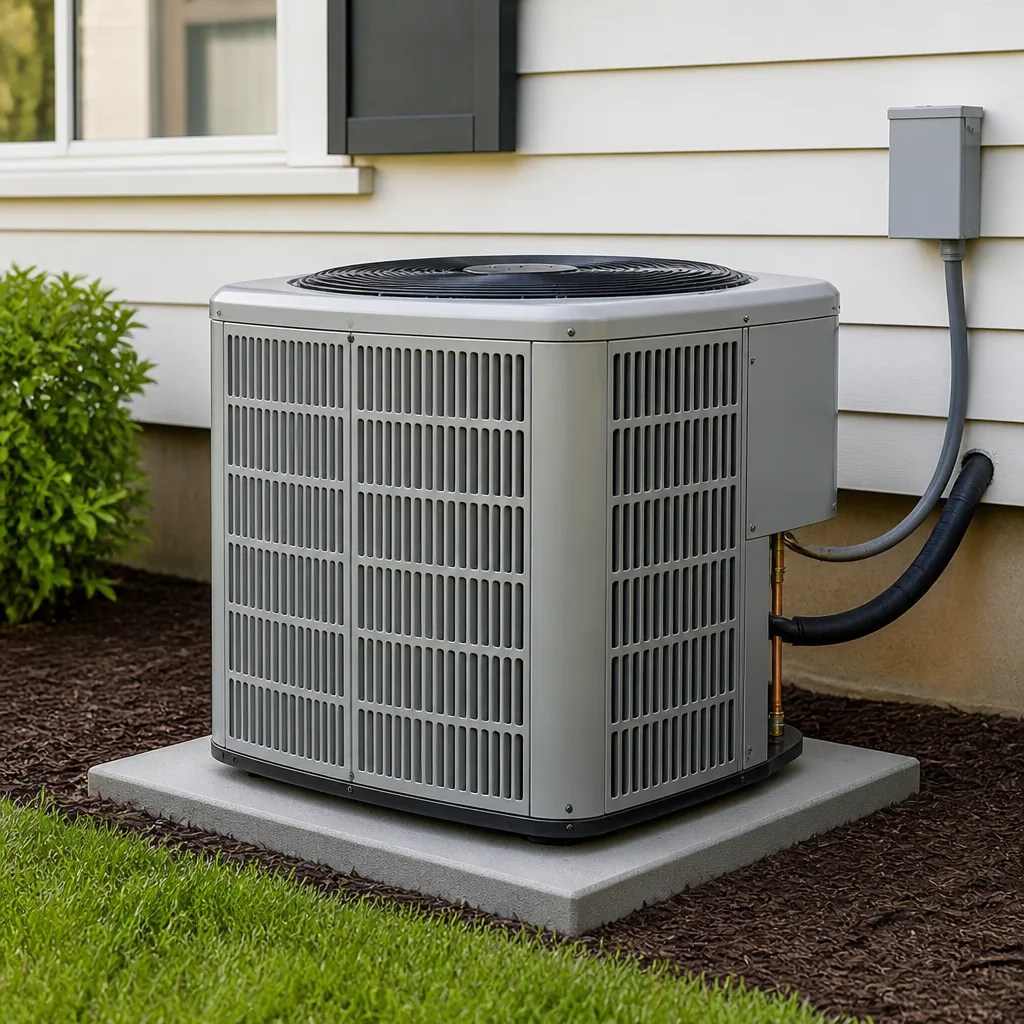 AC repair
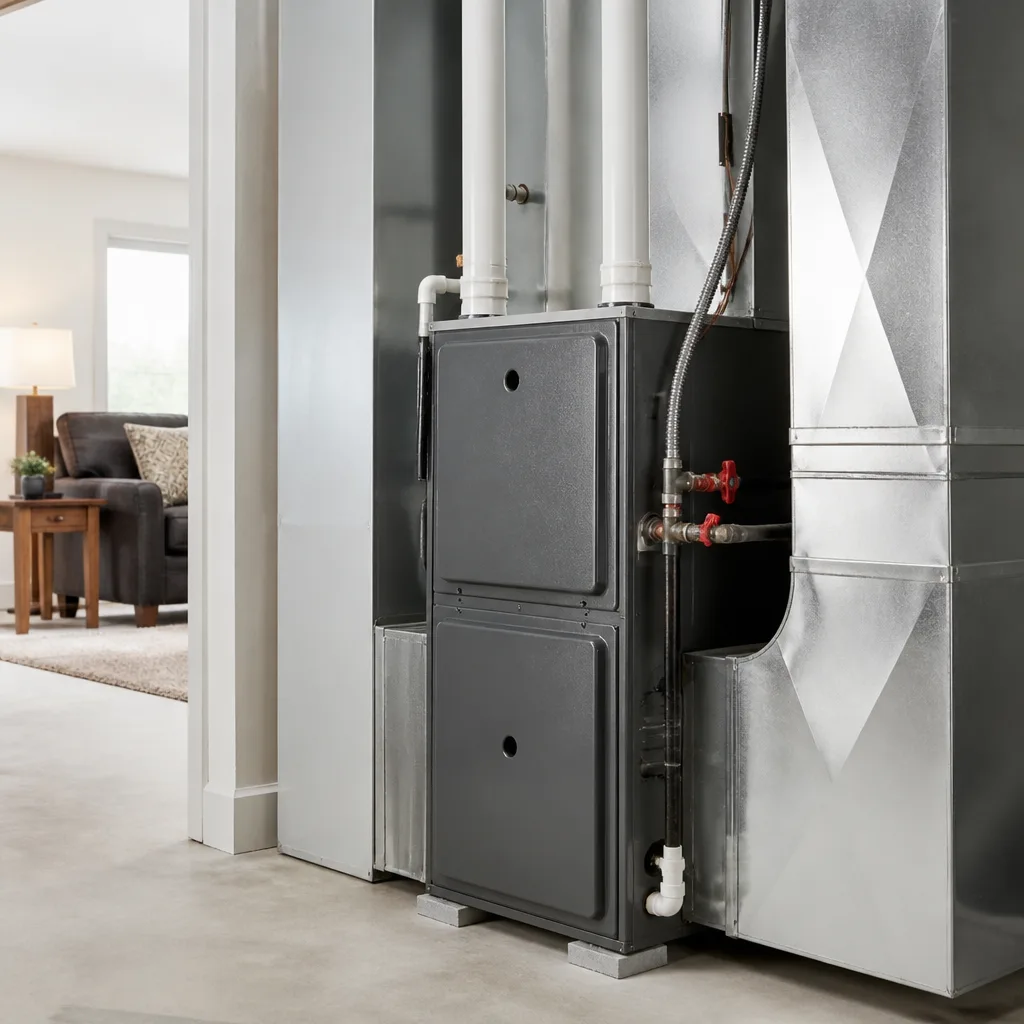 Furnace & heating
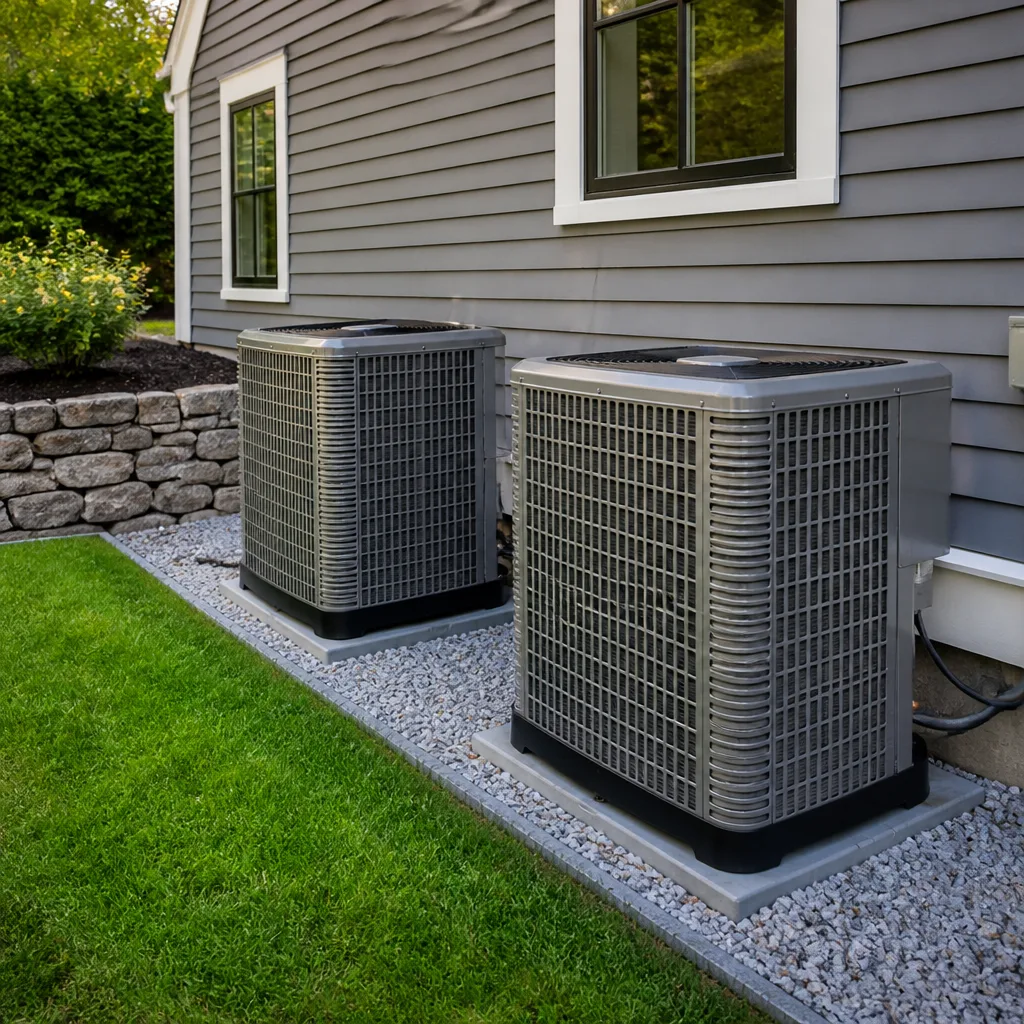 Heat pumps
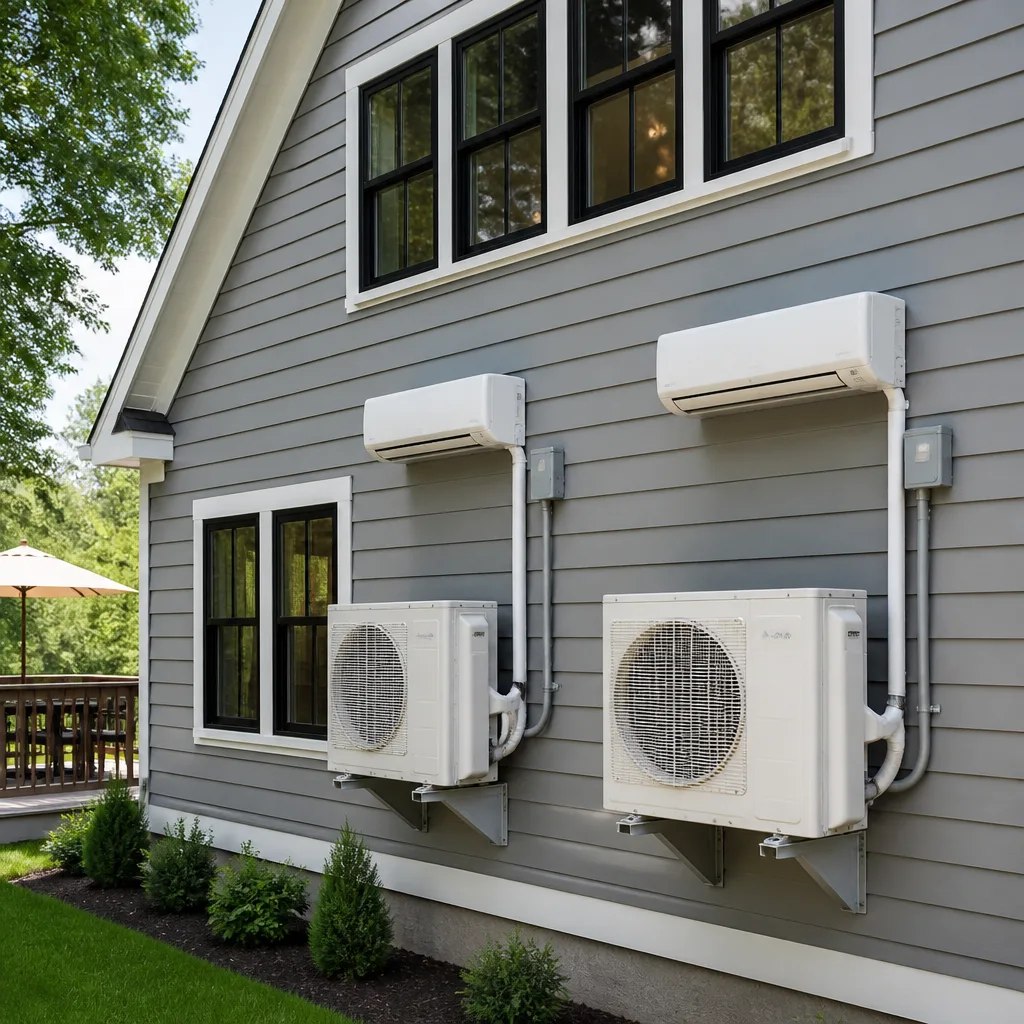 Ductless mini splits
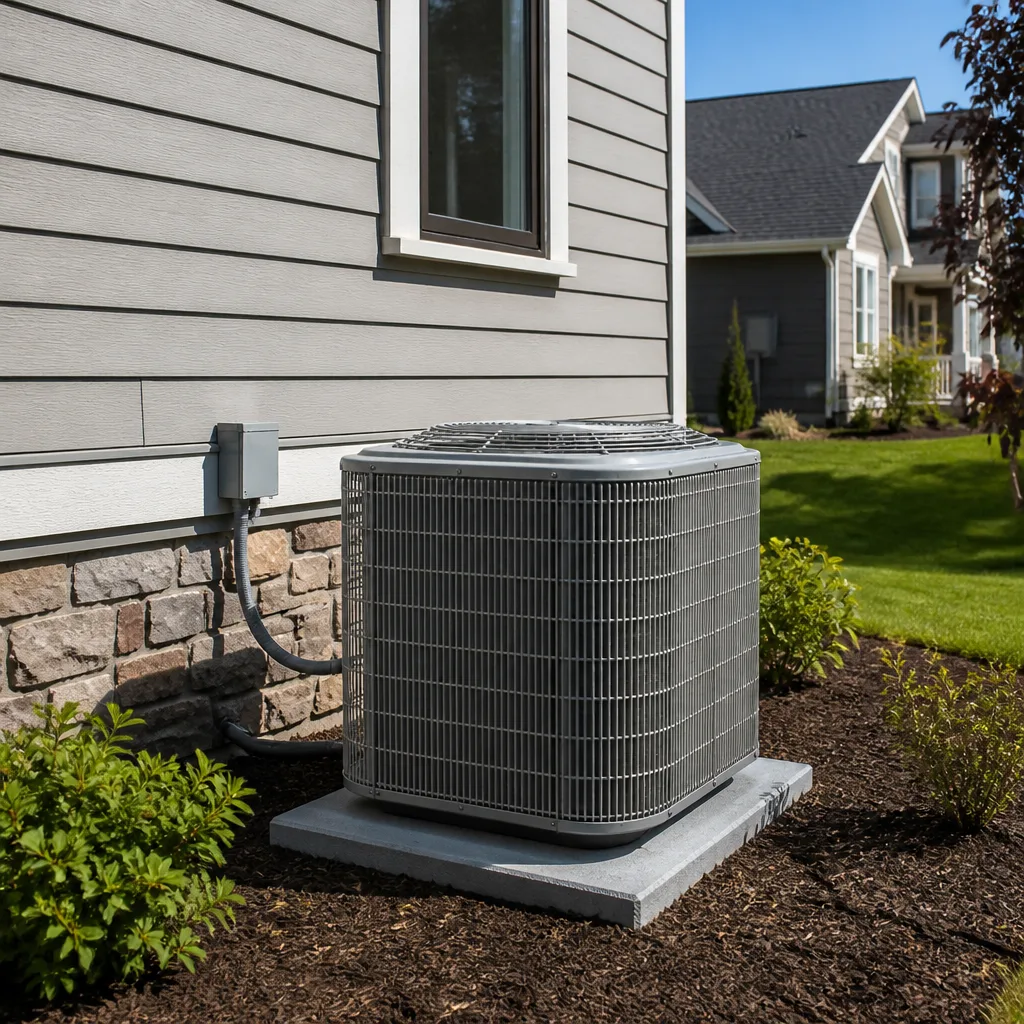 Carrier
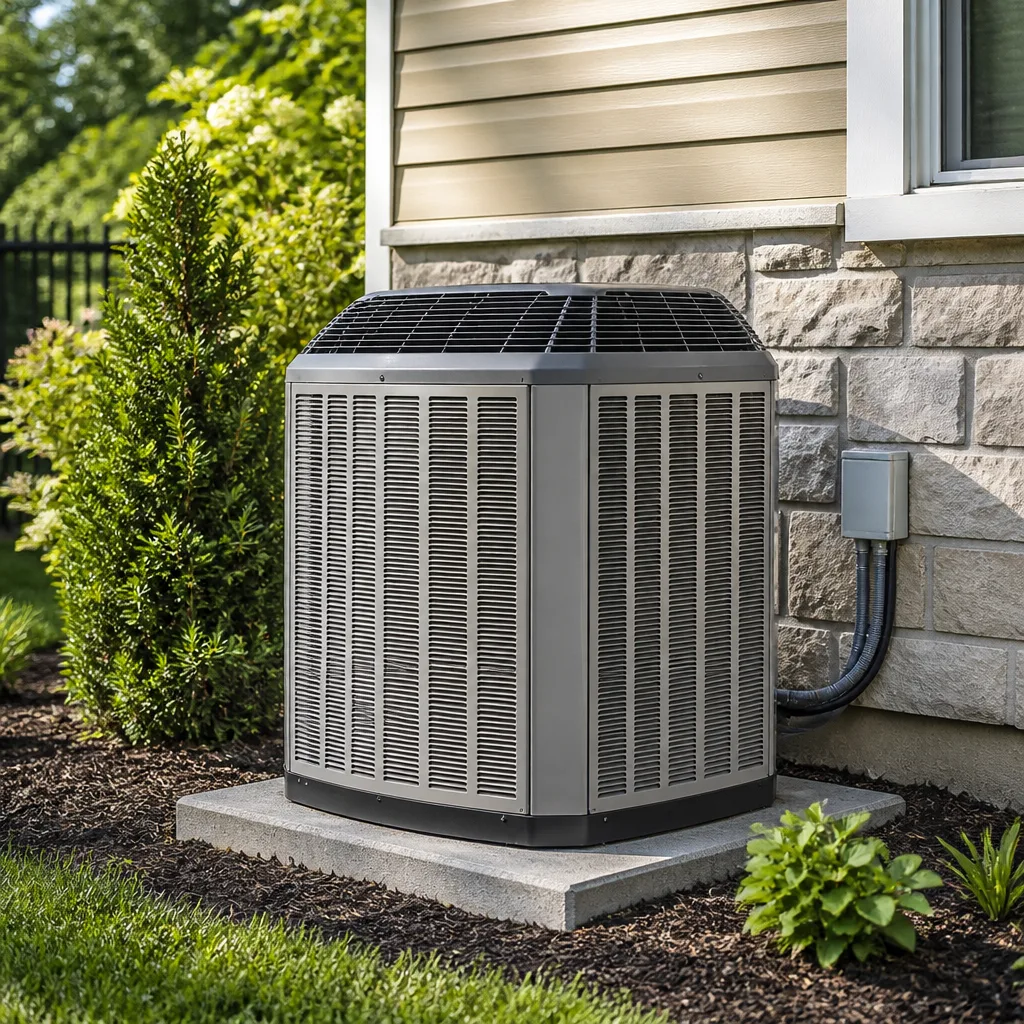 Trane
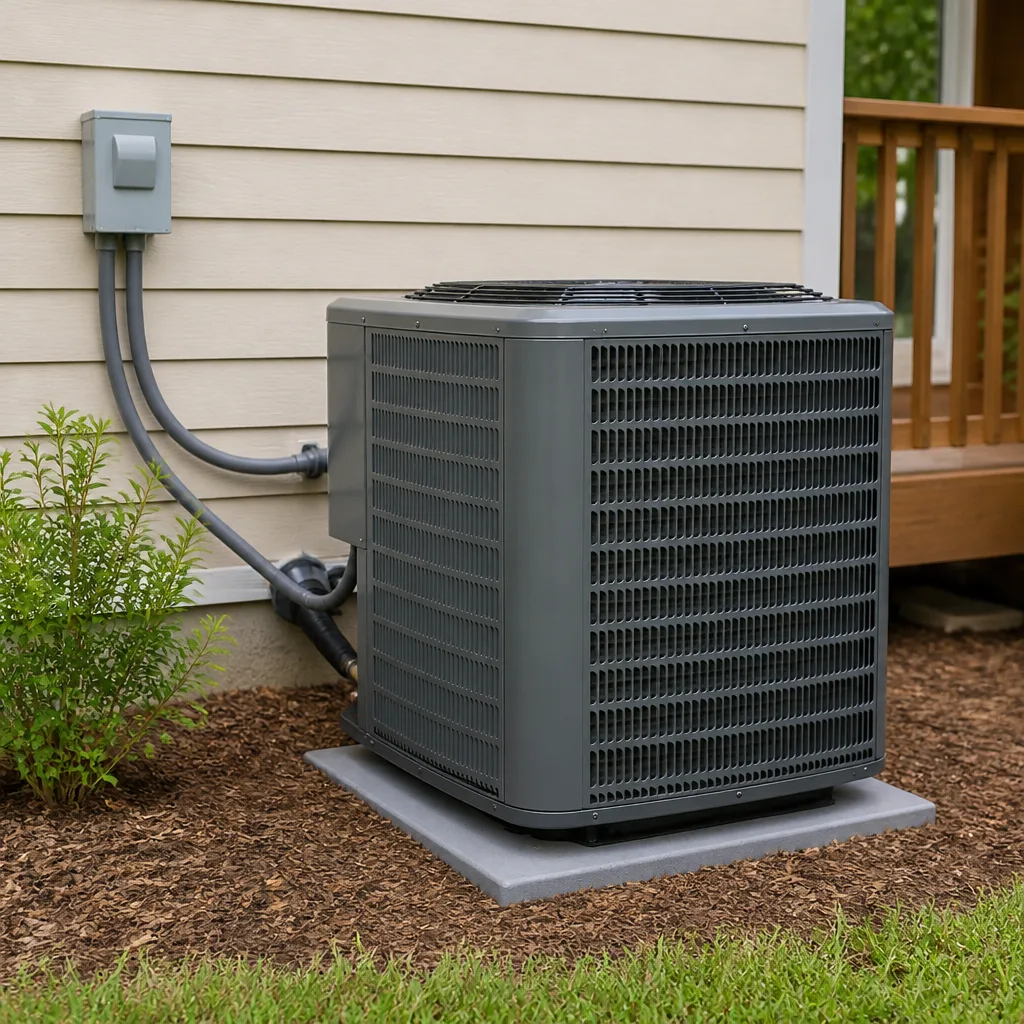 Goodman
Seasonal tune-up and full diagnostic on your Carrier, Trane, or Goodman system - readings shown to you before any repair is proposed
Diagnosis first, numbers second - you approve the repair price before a single part goes in.
Get your free estimateHVAC Cost Breakdown: The Deltona Homeowner’s Reference for 2026
Most HVAC cost guides are written for a country that doesn’t exist. They quote national averages for a central AC install around $5,000 to $7,000, then a Deltona homeowner gets three quotes and every one of them lands higher. That gap isn’t a scam. Florida’s permit process, the humidity-rated equipment this climate actually requires, and a thin pool of licensed CAC contractors in Volusia County all push the real number up. National averages simply don’t carry those line items. This guide breaks down what a system actually costs in Deltona for 2026, by system type and tonnage, and shows you how to read a quote line by line so you know which numbers are fixed, which are negotiable, and which missing lines should make you walk away.
Quick Answer
A standard split-system AC install in Deltona typically runs $6,500 to $11,000 in 2026, with heat pumps and variable-speed systems landing higher. Furnace work here is rare because most homes heat with a heat pump or electric strip, but when gas or electric furnace repair or replacement is needed, expect repair in the low hundreds and replacement roughly $3,500 to $7,500. Quotes vary mostly by tonnage, ductwork condition, electrical panel readiness, and which refrigerant the new unit uses. A written, itemized estimate is what sets the final price.
Styles & brands we work with
- AC repair
- Furnace & heating
- Heat pumps
- Ductless mini splits
- Carrier
- Trane
- Goodman
Table of Contents
- What does a new HVAC system cost in Deltona by type?
- How does tonnage change the price for Deltona home sizes?
- What drives a quote higher beyond the equipment?
- How do you read an HVAC quote line by line?
- What rebates and financing are available in 2026?
- How do you compare a cheap unit to a higher-SEER2 unit?
- Common Mistakes to Avoid
What does a new HVAC system cost in Deltona by type?
Here’s the honest breakdown most cost pages skip. Price bands below are typical 2026 estimates for a full replacement of a standard single-family Deltona home, equipment plus labor plus a permit. They’re ranges, not exact figures, and the written estimate governs.
- Standard single-stage split system (14.3 – 15 SEER2): roughly $6,500 to $9,000. The workhorse option. Fine for a home with a modest load and an aging unit you just need to get back to working.
- Heat pump (single-stage or two-stage): roughly $7,500 to $10,500. In Deltona’s mild winters a heat pump carries the load most of the year, so it’s often the smartest money. Brands like York and Daikin build solid mid-tier heat pumps in this range.
- Two-stage split system: roughly $9,000 to $13,000. Runs on a partial stage most of the time, which matters in a humid climate because longer low-stage run times pull more moisture out of the air.
- Variable-speed / inverter system: roughly $11,000 to $16,000. Quietest, most efficient, and the best humidity control, but the premium is real and the payback depends on how long you stay in the home.
- Furnace replacement (gas or electric, where the home has one): roughly $3,500 to $7,500. Most Deltona homes don’t have a furnace, so this applies mainly to older builds or homes converted from another region’s heating setup.
If your existing system is affordable to fix, Deltona AC Repair will tell you so. Our technicians have up to experience across nine major brands, and we work on the equipment in front of us rather than pushing a brand you didn’t ask for.
How does tonnage change the price for Deltona home sizes?
Tonning is the single biggest price lever on a Florida install, and it’s also where a lot of quotes go wrong. Here’s how home size tends to map to system size in the Deltona market, keeping in mind an actual load calculation can push a home up or down a tier:
- 1,000 to 1,400 sq ft: typically a 1.5 to 2-ton system. Standard install lands in the lower part of the $6,500 – $9,000 band.
- 1,400 to 1,900 sq ft: typically 2 to 2.5 tons. This is the bulk of Deltona housing stock, and most quotes land $7,500 – $10,500 for a standard split.
- 1,900 to 2,500 sq ft: typically 3 to 3.5 tons. Expect $9,000 – $12,000 for a two-stage or heat pump at this size.
- 2,500 to 3,000+ sq ft: typically 4 to 5 tons, or possibly two smaller systems. Variable-speed and higher tonnage push the upper end of the range: $12,000 to $16,000.
Oversizing is the mistake we see most in Deltona. A unit that’s too large cools fast and shuts off, which means less dehumidification and more wear. Any contractor quoting you should be running a room-by-room load calc, not just matching your old tonnage. If a quote sizes the new system exactly to the old data plate with no calculation behind it, ask why.
If you’re weighing a full replacement against a repair, an AC installation quote should include the load calc for free. That’s part of the estimate.
What drives a quote higher beyond the equipment?
The equipment is usually 55% to 65% of a Deltona quote. The rest is labor, permits, and site-specific fixes. These are the drivers local contractors bump for:
- Permit fees: Florida requires a permit for a like-for-like system changeout, and Volusia County fees scale with tonnage. Expect a few hundred dollars, folded into the estimate. A quote with no permit line is a red flag.
- Electrical panel readiness: Older Deltona homes sometimes have a panel that can’t carry a new higher-efficiency condenser without an upgrade. That can add a meaningful amount and is often the biggest hidden line on a quote.
- Ductwork condition: Leaky, undersized, or flex duct collapsed in an attic is common. Sealing and minor duct repairs often add $500 – $1,500; a full duct replacement can push more.
- Concrete pad and line set: If the outdoor unit sits on the ground and the pad is cracked or the line set needs rerouting, that’s added labor. Usually a modest add.
- Refrigerant type: 2026 is a transition year. Older R-410A equipment is still out there, but new systems increasingly use R-454B, which is a lower-global-warming refrigerant. R-454B systems cost a bit more upfront. Expect that premium on the quote and plan for it.
Ductwork problems are the most common surprise on a Deltona replacement. A pre-install inspection that includes a duct pressure test is worth insisting on, because a well-sized unit on leaky ducts can’t deliver what it’s rated to deliver.
How do you read an HVAC quote line by line?
A three-line quote (“furnish and install 3-ton system, $9,400”) tells you nothing. A good quote is itemized, and the line items split into fixed and negotiable. Use this checklist:
- Equipment line: Manufacturer, model number, SEER2 rating, tonnage, and refrigerant type all spelled out. No model number is a red flag.
- Labor line: Separate from equipment. Fixed, roughly standardized. Don’t expect to negotiate this.
- Permit line: Present and itemized. If it’s missing, ask. Without it, the install may not pass final inspection and that’s on you.
- Ductwork line: Whether duct sealing is included, and whether any repairs are called out. Negotiable, because you can agree to skip minor items.
- Electrical line: Panel work, disconnect, whip. Itemize or clearly note “no electrical scope required.”
- Thermostat and controls: Whether a new thermostat is included. Negotiable if you already have a smart thermostat you’re happy with.
- Warranty terms: Manufacturer parts warranty plus labor warranty. Both should be written.
- Removal and disposal: Hauling the old unit away. Usually included; confirm.
The red flags are missing lines, not big lines. No model number, no permit, no load calculation, no warranty detail, and no duct inspection all point to a quote built to win on price rather than deliver a system. We see those quotes in Deltona regularly and we’ll tell you honestly what’s missing.
What rebates and financing are available in 2026?
Three categories of financial help exist in 2026, and they stack differently. Here’s how to think about them:
- Utility rebates: Duke Energy Florida runs equipment rebates that scale with efficiency tiers. Higher SEER2 and variable-speed systems generally qualify for larger rebates. The amount moves year to year, so confirm current numbers at the time of your install.
- Federal tax credits: Inflation Reduction Act provisions remain in place for high-efficiency heat pumps and qualifying equipment, with caps per year. The credit is claimed on your federal return, not taken off the invoice.
- Manufacturer rebates: Timing matters here. Brands like Bryant and American Standard run periodic promotions on qualifying systems. If you’re not in a rush, waiting for a timing window can shave real money off.
Financing is a separate lever. Most full-system installs are financed, and a clear written estimate should show the cash price before financing so you can compare. We handle rebate and financing paperwork on installs we do; ask us to itemize what you’ll need to claim.
How do you compare a cheap unit to a higher-SEER2 unit?
The right comparison isn’t the sticker price. It’s the 10-year cost of ownership in Florida’s operating conditions. Here’s a simple framework:
- Start with annual run hours. Deltona’s climate means a system runs long and often, so efficiency differences compound fast compared to a northern climate.
- Multiply the SEER2 difference by your electric rate. A jump from 15 SEER2 to 18 SEER2 saves a meaningful percentage of your cooling kWh, which over 10 years often covers most or all of the upfront premium.
- Add expected repair costs. Two-stage and variable-speed systems have more moving parts, so budget a bit more for repairs over the life of the unit.
- Subtract rebates and tax credits. A higher-efficiency unit qualifies for more of both, shrinking the gap.
- Compare the net 10-year cost. For a home you plan to stay in, the higher-SEER2 unit almost always wins. For a home you’ll sell in two years, the standard unit is fine.
We work on both tiers. Repair or replace – we’ll tell you which one actually makes sense, and the brand-agnostic approach means we’re not steering you to a system because a manufacturer relationship pays us more.
Common Mistakes to Avoid
- Skipping the load calculation. Matching new tonnage to old tonnage is not a load calc. Insist on a room-by-room calculation, because oversizing wrecks humidity control in Deltona’s climate.
- Accepting a quote with no permit line. Florida requires a permit for a system changeout. A quote without one may mean an unpermitted install that fails inspection.
- Ignoring ductwork condition. A high-efficiency unit on leaky ducts loses much of its advantage. Ask for a duct pressure test as part of the pre-install inspection.
- Letting the quote size refrigerant without saying so. 2026 is a transition year between R-410A and R-454B. Confirm which you’re getting, because the choice affects future service cost.
- Choosing on sticker price alone. The cheapest quote is often the one missing the permit, the load calc, or the duct work. Compare line by line, not totals.
- Waiting until the system fails. Because no overtime rate is charged and dispatch runs 7am to 7pm, an emergency quote is honest. But planning a replacement on your timing usually gets you a better rebate window and more options.
- Assuming a brand-only dealer is the safe bet. A single-brand dealer may default to what they stock. A brand-agnostic team diagnoses the system in front of them, which for Deltona’s mix of legacy and newer equipment matters.
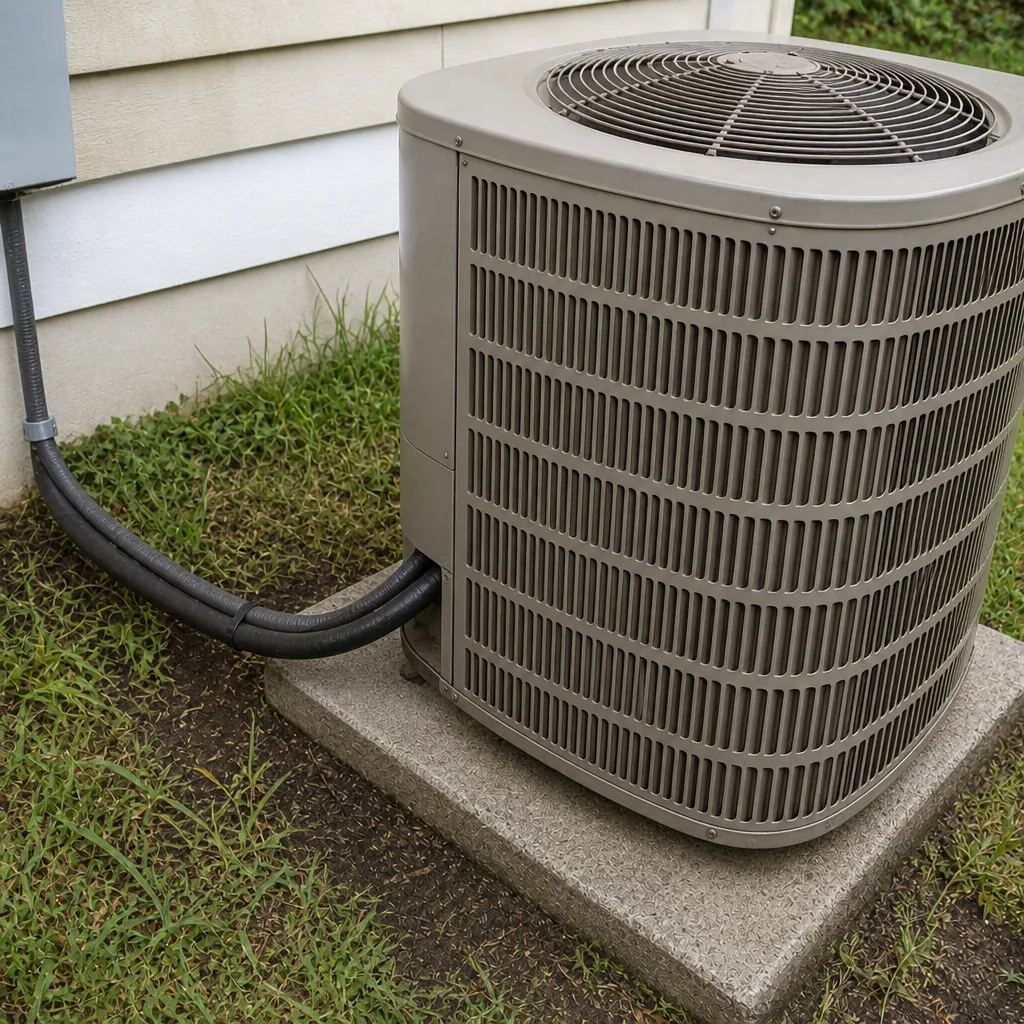
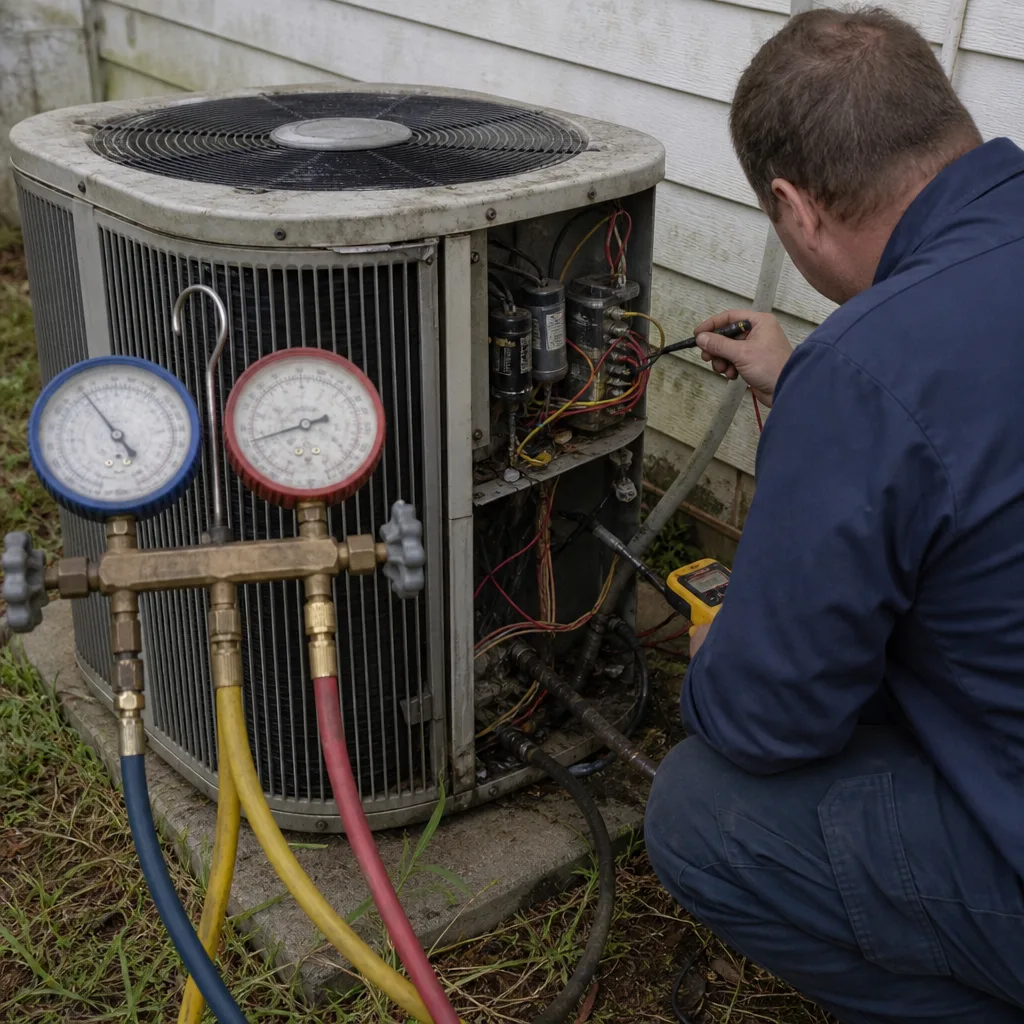
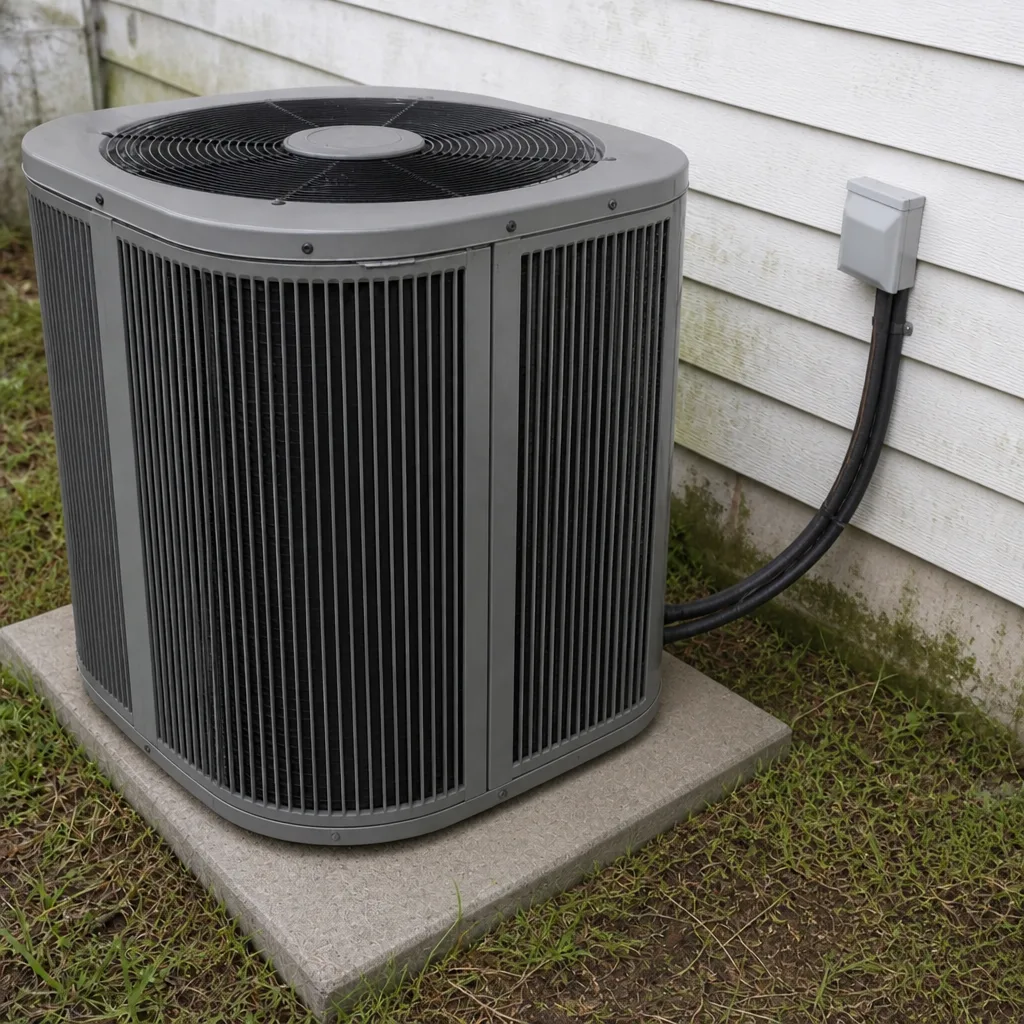
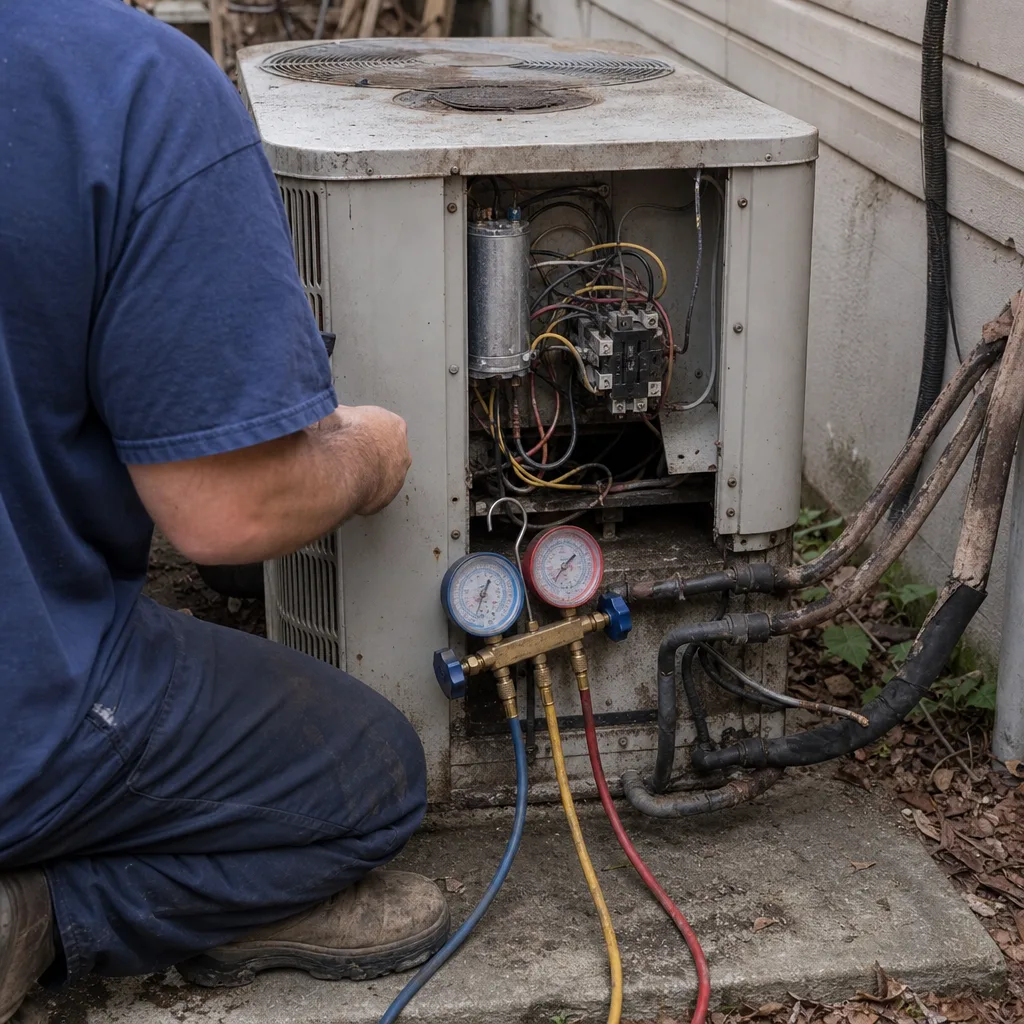
See the difference
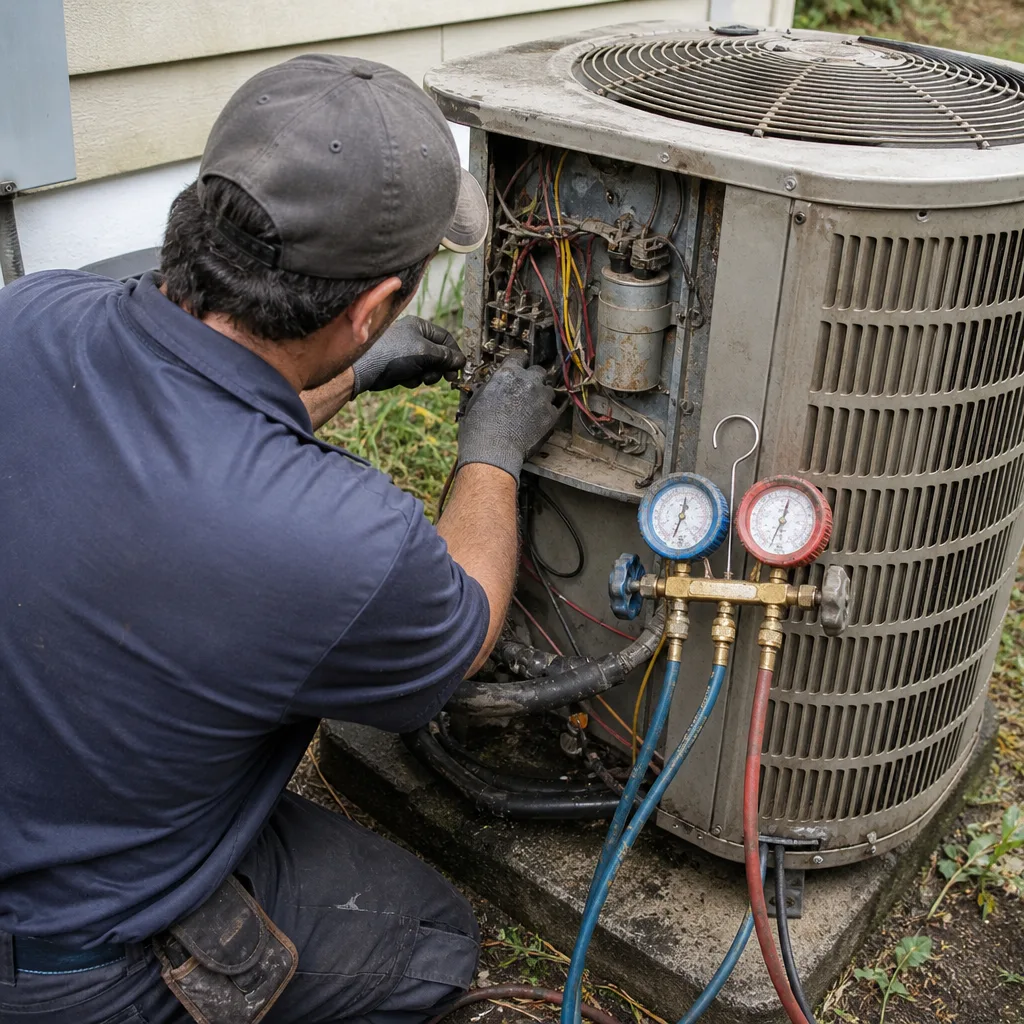 Before
 After
 Before
 After
 Before
 After
When to Call a Professional
Some HVAC work is a phone call, and some is a booking. Call us when your system short-cycles, the indoor unit never reaches setpoint, you notice a refrigerant smell, the outdoor unit trips the breaker, or you’re weighing repair versus replacement and want a straight answer. Call if your furnace (gas or electric) won’t fire or blows cold, and never open a gas furnace or electrical panel yourself – those are trained-professional jobs. We answer 24/7. Fast dispatch from 7am to 7pm, Sunday through Friday. Same-day service is available for repair calls, and estimates are free. For a Deltona furnace repair, we’ll assess repair versus replacement honestly. Call (888) 850-1463 for an estimate.
Frequently Asked Questions
It’s on the low end and usually only covers a small-tonnage standard split in a home with clean ducts and no electrical work. Most Deltona homes land $6,500 to $11,000 once permit, tonnage, and site specifics are counted. Call (888) 850-1463 for an exact quote – estimates are free.
Yes. Florida requires a permit for a like-for-like system changeout, and Volusia County issues it by tonnage. A quote without a permit line may mean an unpermitted install, so ask. Call (888) 850-1463 for an exact quote.
Repair is usually the better call when the unit is under 10 years old, the repair is under $1,000, and the rest of the system is sound. Replace when the compressor is failing, repairs are stacking up, or the unit is over 12 to 15 years old. We’ll give you a straight answer either way. Call (888) 850-1463 for an exact quote – estimates are free.
Typically $7,500 to $10,500 for a single- or two-stage heat pump installed, and $11,000 to $16,000 for variable-speed. Heat pumps carry the load well in Deltona’s mild winters, so they’re often the best value. Call (888) 850-1463 for an exact quote.
Yes, in three categories: Duke Energy Florida equipment rebates, federal IRA tax credits on qualifying high-efficiency heat pumps, and periodic manufacturer rebates that depend on timing. Credits and rebates change, so confirm the current amounts at the time of install. Call (888) 850-1463 for an exact quote.
For repair calls, yes – same-day service is what we aim for, and there’s no overtime charge. We answer 24/7. Fast dispatch from 7am to 7pm, Sunday through Friday. For a full replacement, that’s load-calculated and scheduled, not same-day. Call (888) 850-1463.
The Bottom Line
The national-average HVAC cost guide is a starting point, not a plan. In Deltona, real 2026 numbers depend on tonnage for your home size, permit and duct condition, and which refrigerant the new unit uses. The right way to buy a system is from an itemized written quote that names the model, includes the permit and load calculation, and shows the warranty terms. Compare 10-year cost of ownership, not sticker price. And when it’s a repair call, don’t overthink it – get a straight answer. For a look at the wider service picture, see our Deltona page. We work on your brand, whatever it is: nine major brands, one team. Call (888) 850-1463 for a free estimate. We answer 24/7, with fast dispatch from 7am to 7pm, Sunday through Friday.
Written by the team at Deltona AC Repair.