
Last updated November 16, 2026
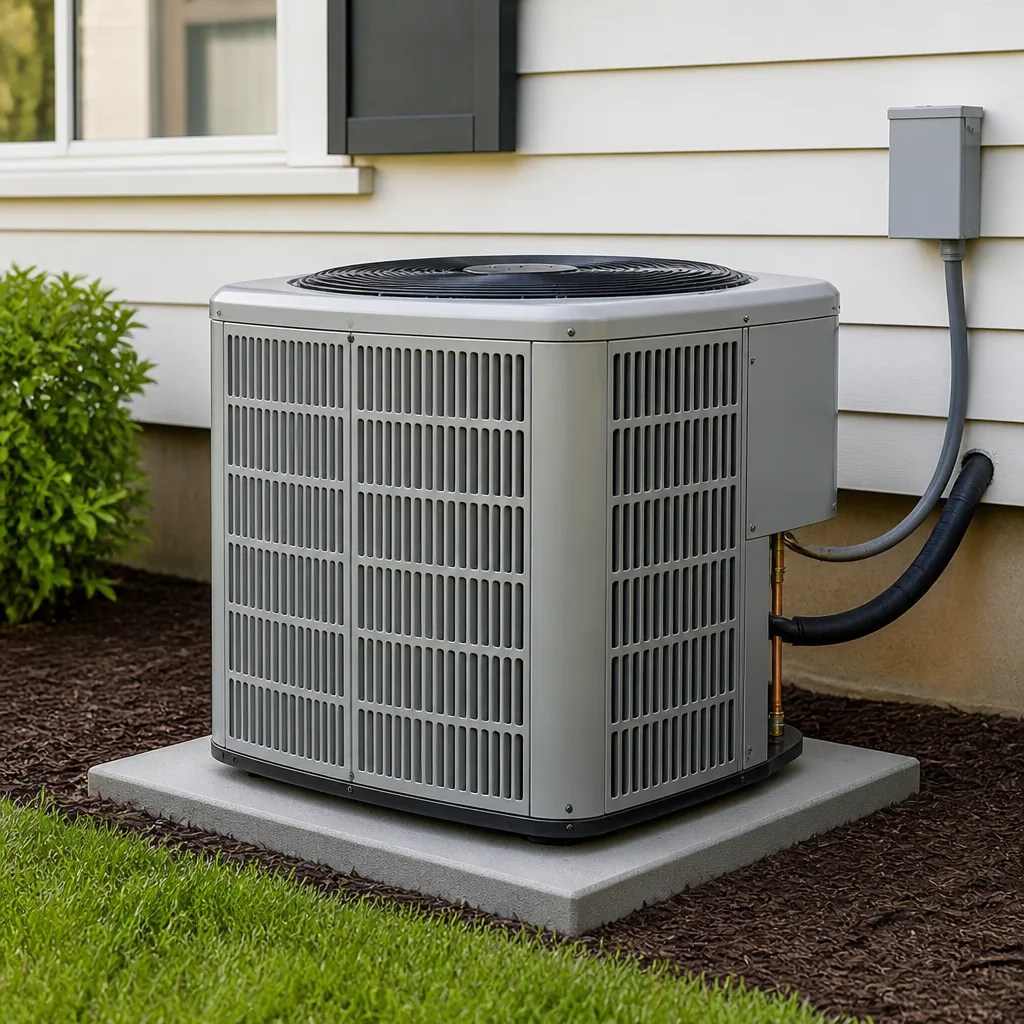 AC repair
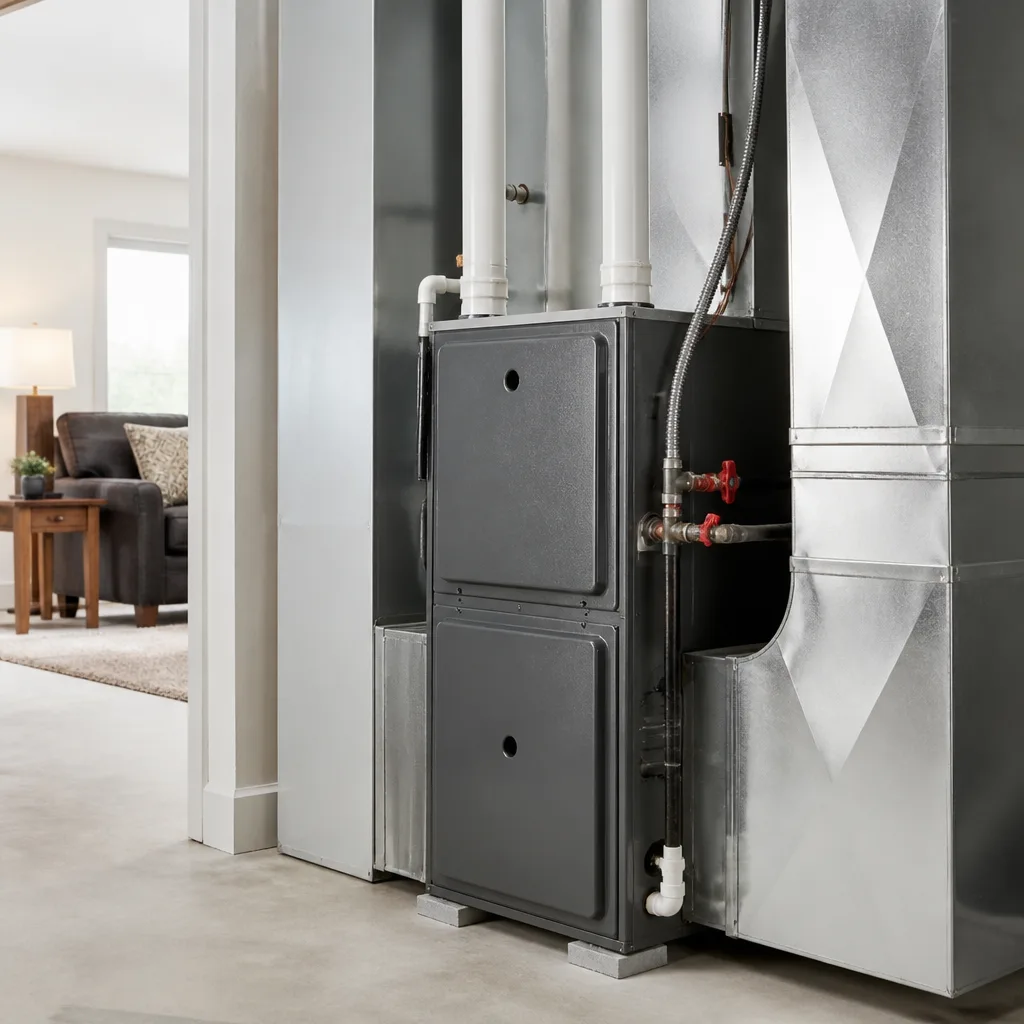 Furnace & heating
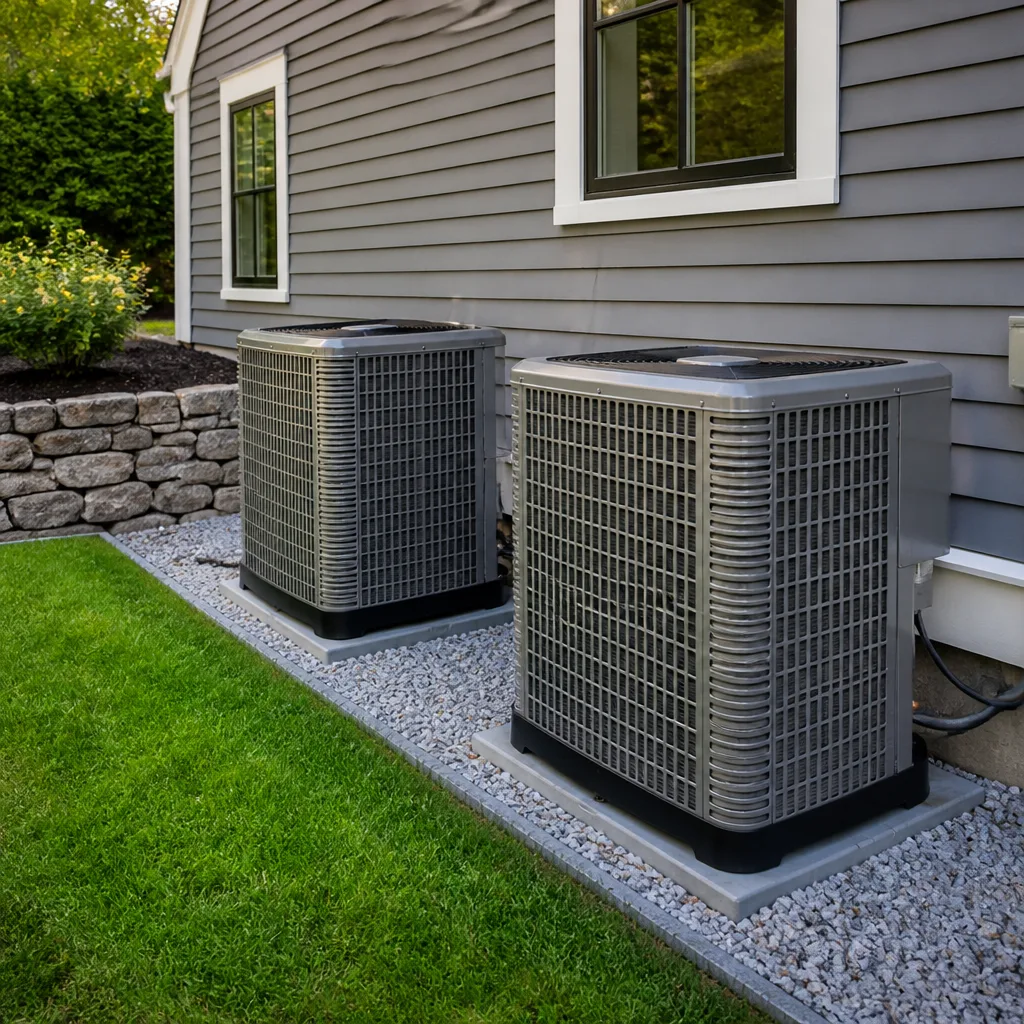 Heat pumps
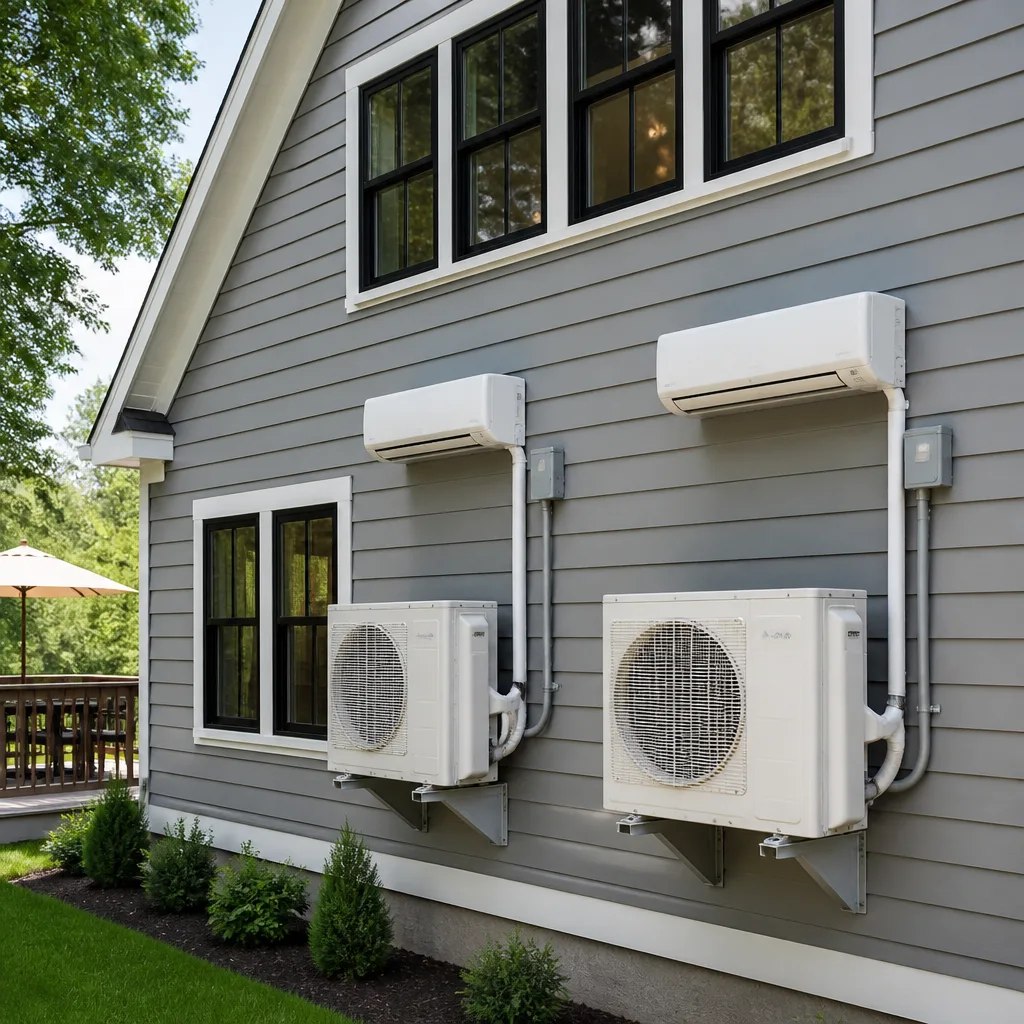 Ductless mini splits
 Carrier
 Trane
 Goodman
Seasonal tune-up and full diagnostic on your Carrier, Trane, or Goodman system - readings shown to you before any repair is proposed
Diagnosis first, numbers second - you approve the repair price before a single part goes in.
Get your free estimateHow to Hire an HVAC Contractor in Deltona: A Step-by-Step Guide
Most homeowners treat hiring an HVAC contractor as a price comparison exercise. It isn’t. It’s a vetting problem. In Deltona, the same search results page will show you a state-licensed mechanical contractor and someone with a truck, a phone number, and no license at all – and the difference stays invisible until the system fails again in August or the permit inspection never happens. Florida’s contractor licensing database takes about ninety seconds to check, and it would eliminate a large share of the people actively advertising HVAC work across Volusia County. Most homeowners skip it because they assume the platforms did the screening. This guide shows you what to verify, what to put in writing, and how to compare quotes that were never designed to be compared.
Quick Answer
To hire an HVAC contractor in Deltona, verify an active Florida DBPR license in the correct class (CAC for air conditioning work; CAC or CMC depending on the scope), confirm the license belongs to the company and not a third party, and get three things in writing before work starts: the exact equipment model number, who pulls the permit, and what startup and commissioning includes. Compare quotes only after normalizing equipment tier and SEER2 rating, and prefer a contractor certified across multiple brands so the recommendation follows your system rather than a dealer agreement.
Styles & brands we work with
- AC repair
- Furnace & heating
- Heat pumps
- Ductless mini splits
- Carrier
- Trane
- Goodman
Table of Contents
- Why hiring HVAC in Deltona is a vetting problem, not a price problem
- How to run a Florida DBPR license check in 90 seconds
- The three contract clauses that protect you during the job
- Deltona red flags: third-party permits and unverified subcontracted labor
- How to compare quotes when contractors spec different equipment tiers
- Why multi-brand capability matters when you hire
- Repair or replace: how to get an honest answer
- Questions to ask before you sign anything
Why Hiring HVAC in Deltona Is a Vetting Problem, Not a Price Problem
Deltona is a city of roughly 90,000 people spread across a large footprint of single-family homes, many of them built in waves from the 1970s through the 2000s. That matters for hiring. A big share of the housing stock has systems that have already been replaced at least once, which means the equipment in any given house could be almost any brand, any vintage, and any efficiency tier. A contractor who only knows one manufacturer’s line will still take the call. They’ll just diagnose it through the lens of what they sell.
The deeper issue is that HVAC work sits in a strange middle ground. It’s technical enough that homeowners can’t easily judge the workmanship, but common enough that unlicensed operators can advertise it openly without raising suspicions. Roofing and electrical work make people nervous. Replacing a condenser in Deltona does not. That’s how the gap widens.
Three things are true in this market at once:
- Central air is not optional here. Long cooling seasons mean a failed system is a health issue, not an inconvenience, which pushes homeowners toward whoever can come soonest.
- Cooling dominates the conversation, but heating equipment still exists in these homes and still breaks. Furnaces and heat strips age quietly through mild winters and fail when someone finally switches the thermostat over.
- Brand coverage varies widely. A dealer tied to one manufacturer may quote a full replacement when a repair on your existing Goodman or Rheem would have run for years.
Vetting is how you close that gap. It takes less time than comparing five quotes, and it protects you for the life of the system.
How to Run a Florida DBPR License Check in 90 Seconds
Florida licenses contractors through the Department of Business and Professional Regulation (DBPR), and the lookup is public and free. A search of the DBPR licensee database returns a contractor’s license status, class, expiration date, and any disciplinary history on file. Ninety seconds is not an exaggeration. The step most homeowners skip is the second one: reading what the license class actually covers.
- Get the license number, not just the company name. Ask for it directly. A legitimate contractor hands it over without hesitation.
- Search the DBPR database by license number. Searching by number is more reliable than searching by business name, since names get reused and slightly varied.
- Confirm the status reads “Active” and the expiration date hasn’t passed. An expired license is the same as no license for practical purposes.
- Read the license class. For air conditioning work, the class you want is CAC (Certified Air Conditioning Contractor). A CMC (Certified Mechanical Contractor) covers a broader mechanical scope that can include AC and heating work depending on how the license is written. A general or handyman license does not authorize HVAC work.
- Match the name. The license should belong to the company you’re hiring, or to the qualifier named on that company’s records. If the person quoting your job isn’t the qualifier and can’t tell you who the qualifier is, that’s a question worth pressing on.
- Check for disciplinary actions. The database shows them. Read them.
One caveat: the DBPR lookup confirms licensing, not insurance. Ask separately for a certificate of insurance showing general liability and workers’ compensation, and call the carrier to confirm the policy is current. A licensed contractor without workers’ comp leaves you exposed if someone gets hurt on your property.
The Three Contract Clauses That Protect You During the Job
Most HVAC disputes aren’t about workmanship. They’re about ambiguity in a one-page proposal. Three clauses close the gaps that matter most, and none of them are unusual requests. A contractor who resists putting them in writing is telling you something.
1. Equipment model number lock-in
The proposal should list the exact model number of the condenser, air handler or furnace being installed, not just the brand and tonnage. Why: within a single brand line, model numbers track different efficiency tiers, different warranty terms and different build quality. Without a model number in writing, what gets installed can legally differ from what you thought you bought. Write it in, initial it, and check the model number on the equipment before the crew leaves.
2. Permit-pull responsibility
State clearly that the contractor pulls the permit in their own licensed name and that the permit and inspection are included in the quoted price. HVAC replacements in most Florida jurisdictions require a permit, and permit rules vary by city and county, so confirm with the local building department what applies to your address. An unpermitted install can complicate a future sale and may void manufacturer warranty coverage on equipment that wasn’t installed to code.
3. Startup and commissioning scope
“Installation included” means different things to different companies. Specify that startup and commissioning is included: refrigerant charge verified, airflow measured, thermostat configured, and a written record of the readings handed over. A system that runs but was never commissioned can operate for years at reduced efficiency. Ask what readings you’ll receive. The answer tells you how seriously that company treats the last hour of the job.
If you’re also evaluating the repair side, our guide to Deltona AC Repair covers how diagnosis should work before anyone quotes a fix.
Deltona Red Flags: Third-Party Permits and Unverified Subcontracted Labor
Two patterns cause most of the trouble in this market, and both are hard to spot from a quote sheet.
Permits pulled under someone else’s license
This is the most common workaround, and it’s the one homeowners never think to check. An unlicensed operator takes your job, then arranges for a licensed contractor to pull the permit. The name on the permit isn’t the name on your contract, isn’t the name of the person who did the work, and carries no responsibility for it afterward. The tell: the permit lists a different company than the one you hired. Check the permit record with the local building department, or simply ask who will be named on it. A straight answer comes fast.
Crews subcontracted without verification
A licensed company can still send workers who aren’t on its payroll. That isn’t automatically a problem, but it matters for workers’ compensation coverage and for who stands behind the work. Ask directly: are the installers employees or subcontractors, and does the company’s workers’ comp cover them? If the answer gets fuzzy, take it seriously.
Other red flags specific to hiring HVAC in Deltona:
- A quote with no license number printed on it.
- Pressure to sign on the day of the estimate, especially with a price that expires.
- Refusal to put the permit in writing as the contractor’s responsibility.
- A proposal that names a brand but no model number.
- No physical Florida address and no verifiable business registration.
- A recommendation to replace an aging system with no diagnostic readings offered to support it.
How to Compare Quotes When Contractors Spec Different Equipment Tiers
Three quotes for three different systems aren’t comparable. They look comparable, because they all describe a new air conditioner in similar language, and that’s exactly the trap. Normalize before you compare.
Start with SEER2
SEER2 is the current efficiency metric for cooling equipment. Two systems with identical tonnage but different SEER2 ratings cost different amounts to buy and different amounts to run. Get the SEER2 number in writing on every quote. Without it, you’re comparing the label on the box, not the equipment.
Then sort by brand tier
Most manufacturers build in tiers, roughly a builder-grade line, a mid-range line and a premium line. A premium-tier system from one brand and a builder-grade system from another are not the same purchase, even at the same price. Ask each contractor which tier they’ve quoted and why that tier fits your home.
A simple comparison framework:
- Same tier, different brands: compare price, warranty terms and local service depth.
- Same brand, different tiers: compare SEER2, warranty terms, and expected service life.
- Different tier and different brand: don’t compare these at all until you’ve asked both contractors to requote at the same tier.
One more input: load calculation. A quote that picks tonnage by square footage alone skips the actual calculation. Ask whether a load calculation was performed. If equipment goes in bigger than the house needs, it cools fast and dehumidifies poorly, which matters in a climate where humidity runs high for much of the year. If the sizing is wrong, price comparison becomes irrelevant.
Why Multi-Brand Capability Matters When You Hire
A contractor locked into one manufacturer’s product line has one product to sell you. That’s not automatically bad, and plenty of single-brand dealers do careful work. But it shapes the recommendation in ways you can’t see from the quote. If your existing system is a Lennox and the dealer sells another brand exclusively, the honest comparison between repairing your system and replacing it gets harder to make.
Multi-brand coverage flips that. When a contractor works on the equipment in front of them, the recommendation has a reason other than what’s on the truck. This is where the range question becomes useful in a hiring conversation:
- Ask which brands they’re certified or trained to service. A company that covers a wide set of major brands can diagnose your existing system without steering you toward a swap.
- Ask what happens if the equipment in your home isn’t a brand they stock. If the answer is “we’ll still repair it,” that’s the right answer.
- Ask whether their technicians receive manufacturer-specific training or work from general knowledge only. Specific training matters when the diagnostic path differs by brand.
Our technicians have up to 12 years of experience and are trained across nine major brands: Carrier, Trane, Lennox, Goodman, Rheem, York, Daikin, Bryant, and American Standard. That breadth isn’t a marketing point so much as a practical one. If your home has a York furnace and a Goodman condenser, one call covers both. If you’re weighing whether to put money into a decade-old Rheem or move to a newer system, the comparison gets made on your equipment, not on what a dealer agreement rewards.
For homeowners planning the cooling side of that decision, our AC installation page covers what the job involves from load calculation through commissioning.
Repair or Replace: How to Get an Honest Answer
The repair-or-replace question is where a hiring decision pays off or costs you. There’s no universal cutoff, no magic age at which every system should be swapped. The honest answer depends on the specific failure, the age of the equipment, the refrigerant type, and what a repair actually buys you in years of service.
What a fair assessment looks like:
- A diagnosis that names the failed component, not just “the system.”
- A repair price and an honest estimate of how many more seasons that repair is likely to deliver.
- If replacement comes up, a reason grounded in the equipment in front of them. A failed compressor on an old builder-grade unit sits differently than a failed capacitor on a system with years left.
- No pressure applied on the first visit.
Heating deserves its own conversation, because it gets less attention in Florida. A furnace that’s been idle through a mild winter can fail on the first cold night of the year, and the decision to repair or replace should be made the same way. Our furnace repair page walks through what a proper diagnostic should include. Gas furnace work touches fuel lines and combustion, which is not a component to troubleshoot without the right licensing and tools. If you smell gas, leave the house and call your utility first. That part isn’t a hiring question.
Questions to Ask Before You Sign Anything
Bring this list to every estimate. The answers tell you more than the price does.
- What’s your license number, and what class is it? Then verify it in the DBPR database.
- Who pulls the permit, and will your company be named on it?
- What’s the exact model number of the equipment you’re quoting? Write it into the contract.
- What SEER2 rating does that model carry?
- Was a load calculation performed, or was tonnage estimated?
- What does startup and commissioning include, and what readings will I receive?
- Are the installers employees or subcontractors, and are they covered by your workers’ comp?
- Which brands are your technicians trained to service?
- What’s the labor warranty, and is it separate from the manufacturer’s equipment warranty?
- Can I get the written estimate before I decide?
A good contractor answers all ten without irritation. Vague answers on questions 2, 3 and 7 are the ones worth walking away from.
Common Mistakes to Avoid
- Trusting a platform’s screening as a license check. Lead-generation sites verify varying amounts of information, and none of them replace the DBPR lookup. Run it yourself, every time.
- Comparing quotes without normalizing equipment tier and SEER2. A cheaper quote on a builder-grade system isn’t cheaper than a premium-tier quote. It’s a different purchase.
- Accepting a proposal with a brand name but no model number. Model numbers are where efficiency tiers and warranty terms live. Without one in writing, you don’t know what you bought until it’s on the pad.
- Letting the contractor’s license appear only on the permit, not the contract. If the names don’t match, you’ve hired someone who isn’t accountable for the work.
- Skipping the insurance certificate because the license checked out. Licensing and insurance are separate. Ask for both.
- Hiring a single-brand dealer for a repair decision. A contractor who only sells one line may recommend replacement before they’ve explored the repair, especially on a brand they don’t carry.
- Choosing on speed alone. Cooling failures in Deltona are urgent, and urgency is real. But the fastest callback and the right contractor aren’t always the same call.
See the difference
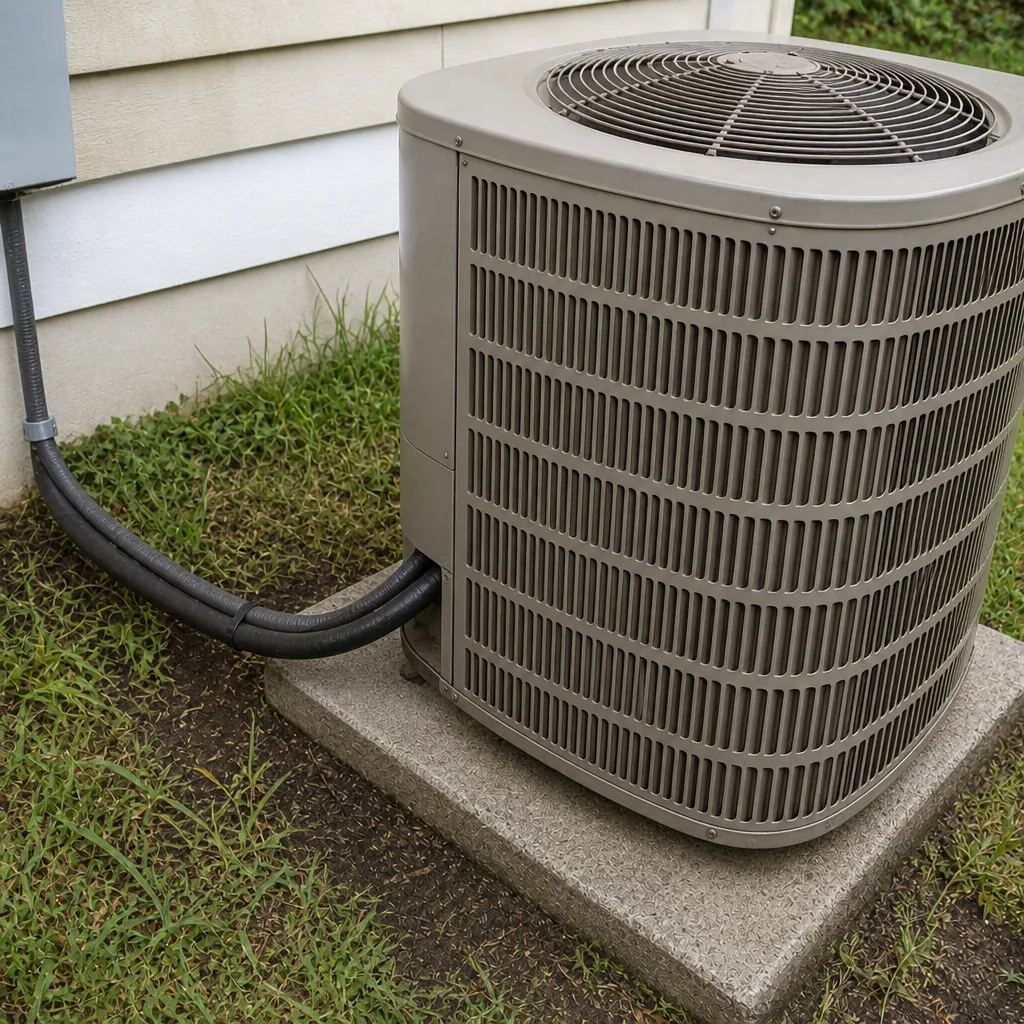
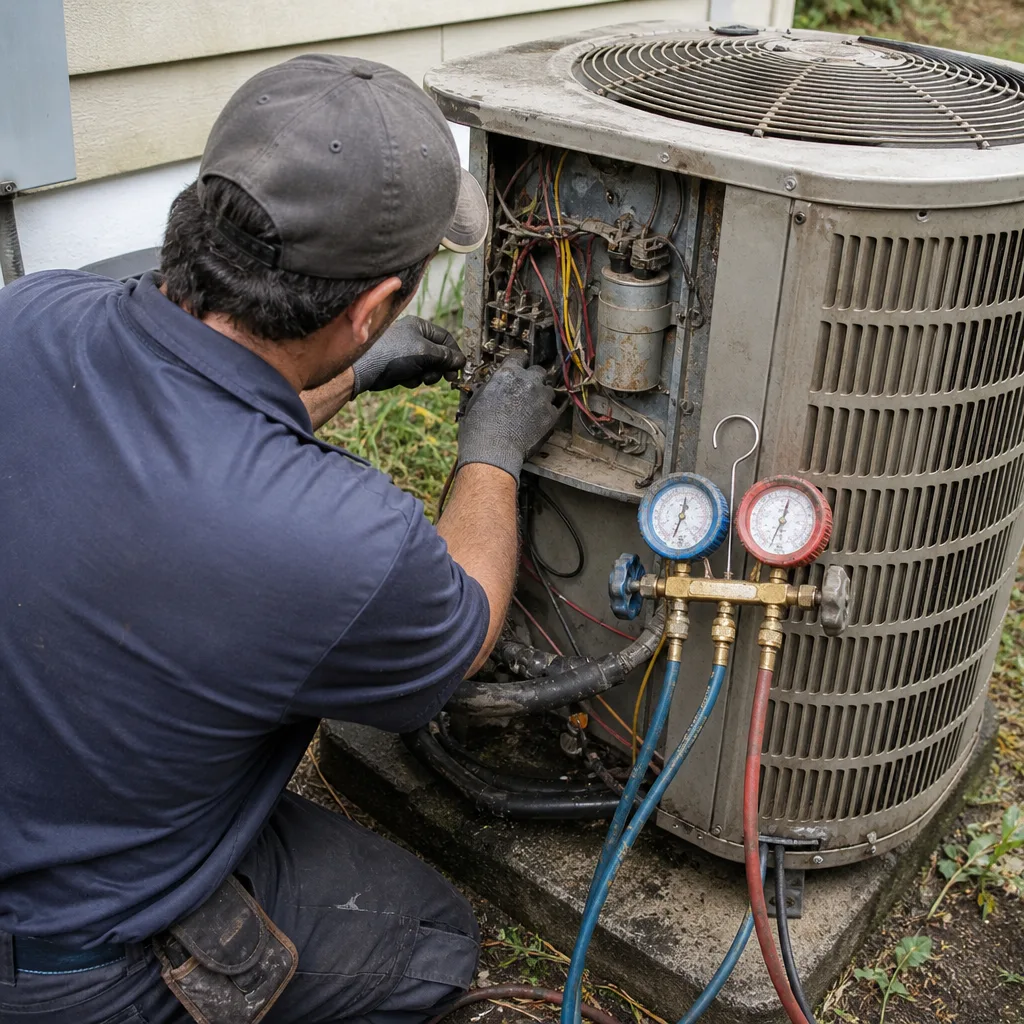 Before
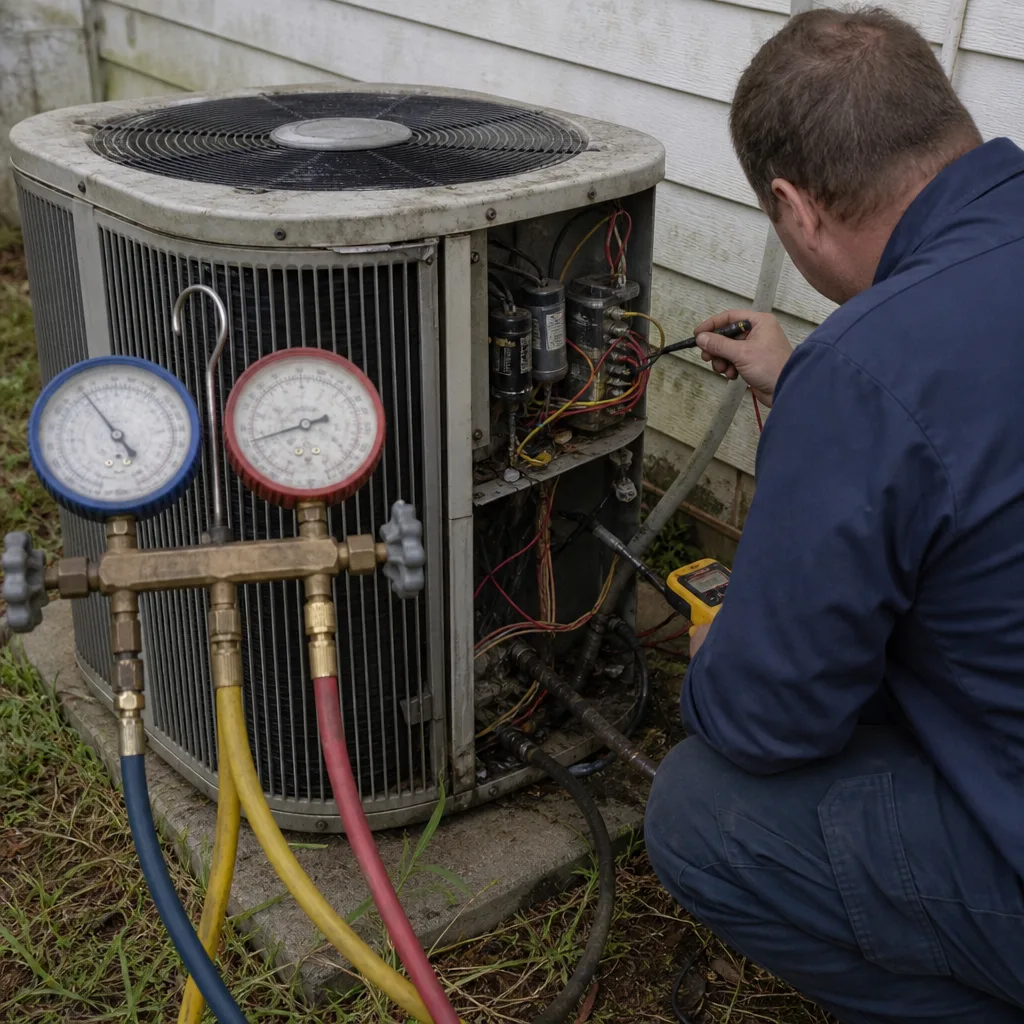
 After
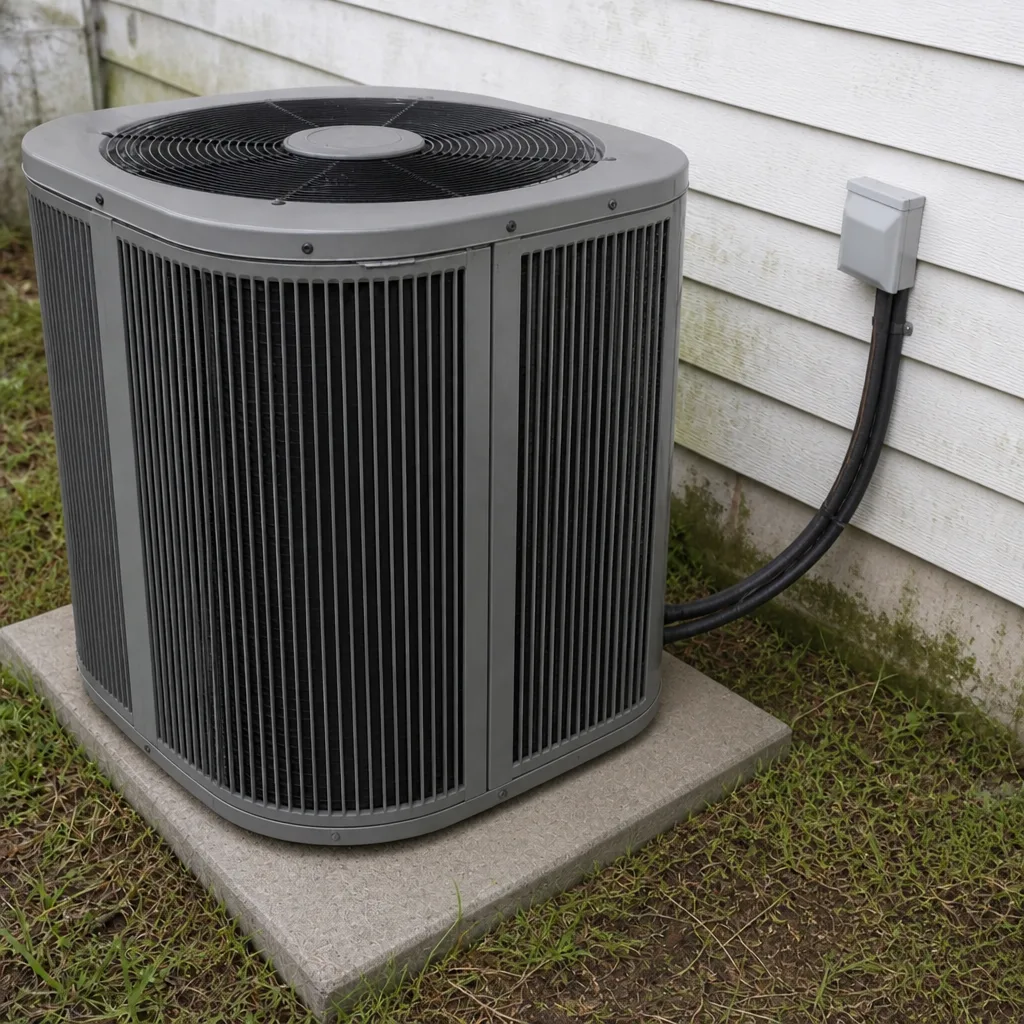
 Before
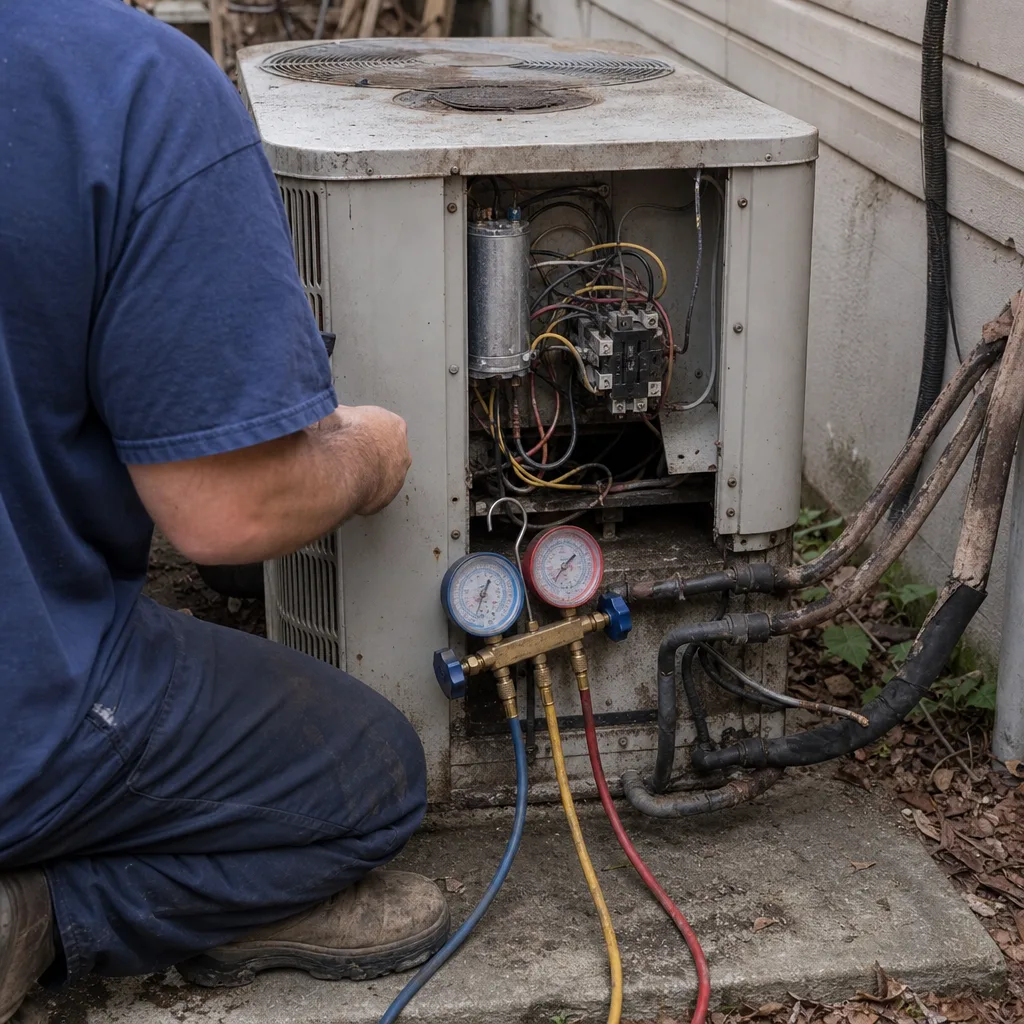
 After
 Before
 After
When to Call a Professional
Some HVAC problems are homeowner territory: a thermostat setting, a clogged filter, a tripped breaker at the panel. Everything else belongs to a licensed contractor. Call a professional when the system stops cooling entirely, when you hear repeated clicking or a grinding noise from the outdoor unit, when the system ices over, when your energy bill climbs without a change in habits, or when a gas furnace smells odd or won’t ignite. Refrigerant work, compressor diagnosis, electrical components inside the air handler, and anything involving a gas line require proper licensing and tools. Don’t open the equipment and start testing components yourself.
Deltona AC Repair offers free estimates in Deltona – call (888) 850-1463. Written estimates set the final price, and we work on the brand you already own.
Frequently Asked Questions
Ask for the license number, then search it in the Florida DBPR licensee database. Confirm the status is active, the license class is CAC (or CMC for broader mechanical scope), and the name on the license matches the company you’re hiring. The lookup is free and takes about ninety seconds. Call (888) 850-1463 for a free estimate from a licensed team.
For air conditioning work, look for a CAC (Certified Air Conditioning Contractor) license. A CMC (Certified Mechanical Contractor) covers a broader mechanical scope that can include heating and cooling work. A general contractor or handyman license does not authorize HVAC installation or repair. Verify the class in the DBPR database rather than accepting a verbal claim.
Only after the quotes are normalized. The lowest price is often the lowest equipment tier or an unpermitted install. Compare model numbers, SEER2 ratings, warranty terms, and whether the permit and commissioning are included. Once those match, the lowest price is a real comparison. Call (888) 850-1463 for a written estimate with the model number spelled out.
Most Florida jurisdictions require a permit for HVAC replacement, but the specific rules vary by city and county, so confirm with the local building department for your address. Make sure the permit is pulled in your contractor’s own licensed name and that the permit and inspection are included in the quoted price. An unpermitted install can create problems at resale and with manufacturer warranty coverage.
SEER2 is the current efficiency standard for cooling equipment, updated from the older SEER rating. It matters because two systems with the same tonnage can carry very different SEER2 ratings, which changes both purchase price and operating cost. Get the SEER2 number in writing on every quote so you’re comparing equipment rather than brand names.
Yes. Our technicians are trained across nine major brands – Carrier, Trane, Lennox, Goodman, Rheem, York, Daikin, Bryant, and American Standard – so the diagnosis follows the equipment in your home, not the brand we’d prefer to sell. If your existing system can be repaired, we’ll tell you. Call (888) 850-1463 and we’ll schedule a free estimate.
The Bottom Line
Hiring HVAC in Deltona comes down to verification before price. Run the DBPR license check and confirm the CAC or CMC class. Ask who pulls the permit and whose name appears on it. Lock the equipment model number into the contract, along with the SEER2 rating, and confirm that startup and commissioning are included in the scope. Compare quotes only after normalizing equipment tier, and prefer a contractor trained across multiple brands so the recommendation reflects your system rather than a dealer agreement. Repair or replace should follow a real diagnosis, not a sales target. When you’re ready for a straight answer on your system, call (888) 850-1463. We answer 24/7, and fast dispatch runs from 7am to 7pm, Sunday through Friday, with free estimates and a written fixed price before any work begins.
Written by the team at Deltona AC Repair.