
Last updated November 16, 2026
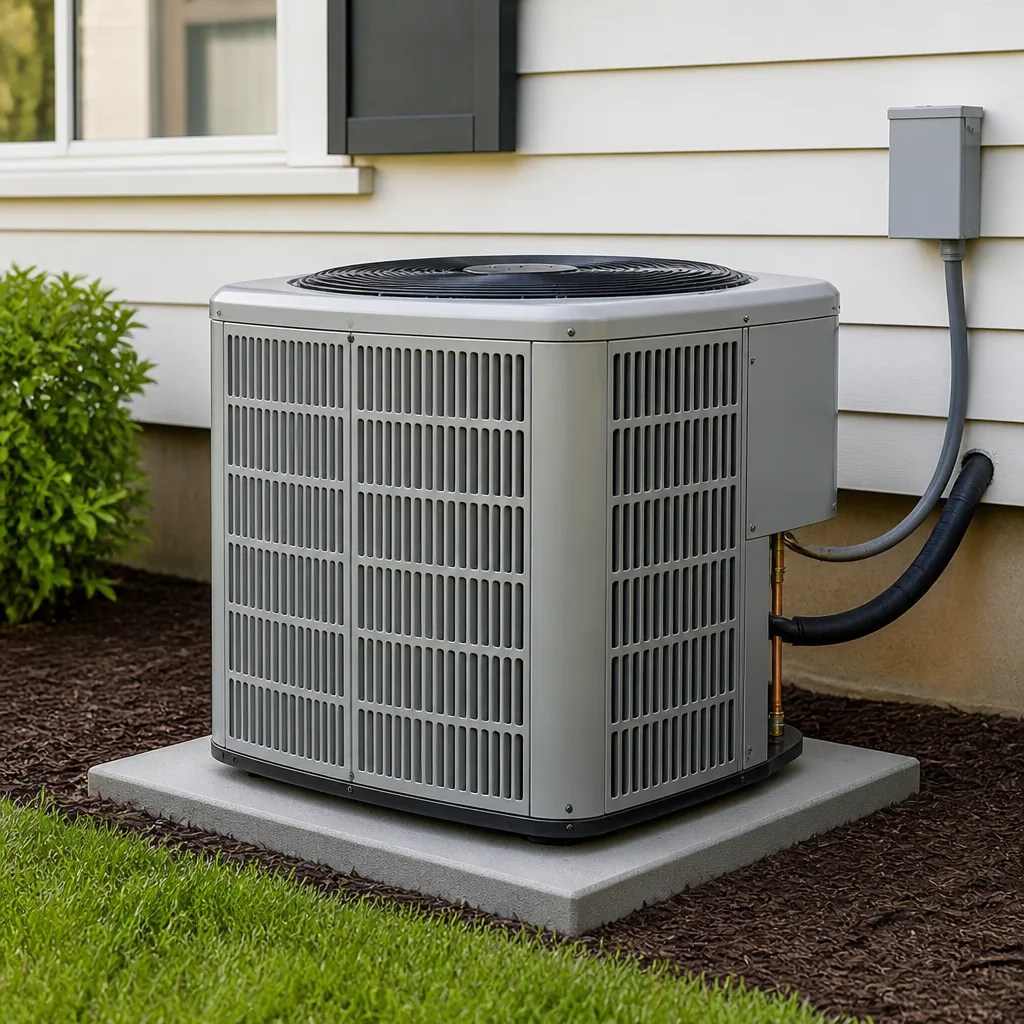 AC repair
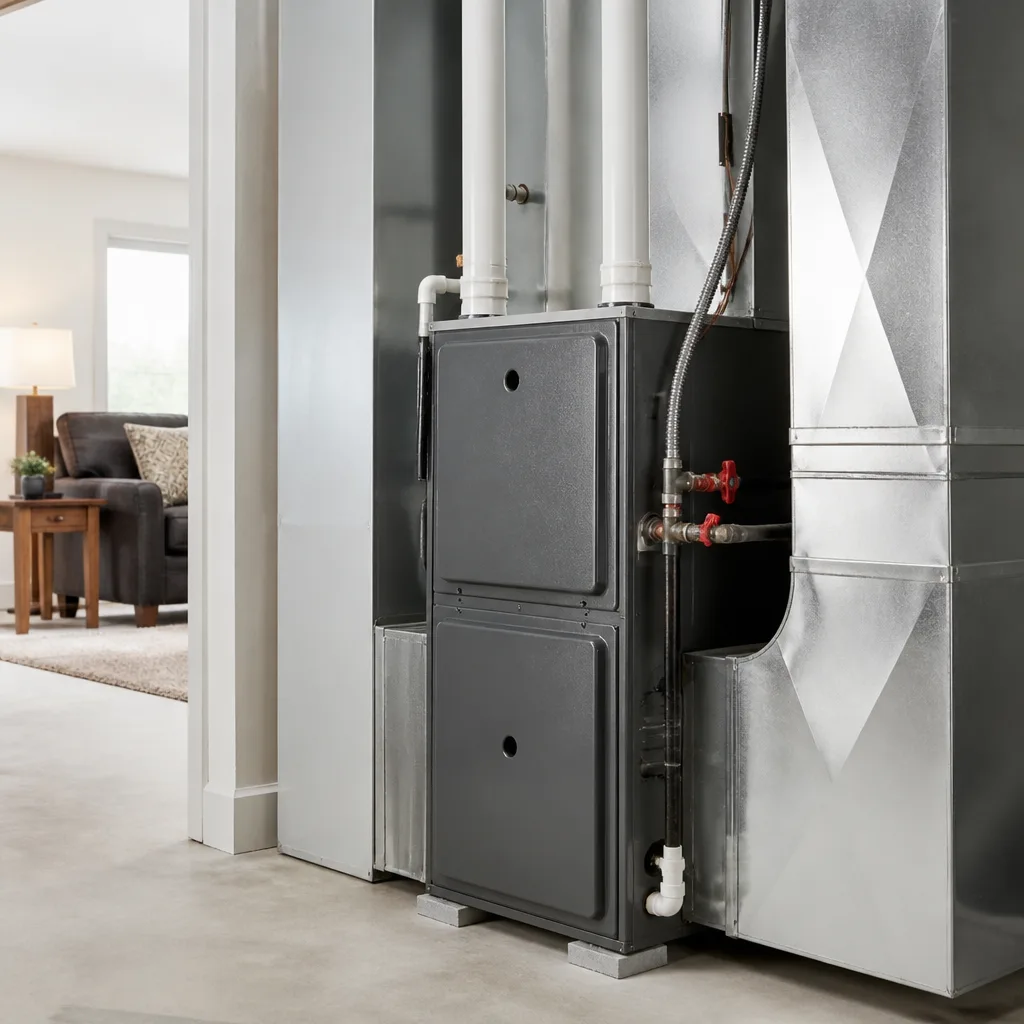 Furnace & heating
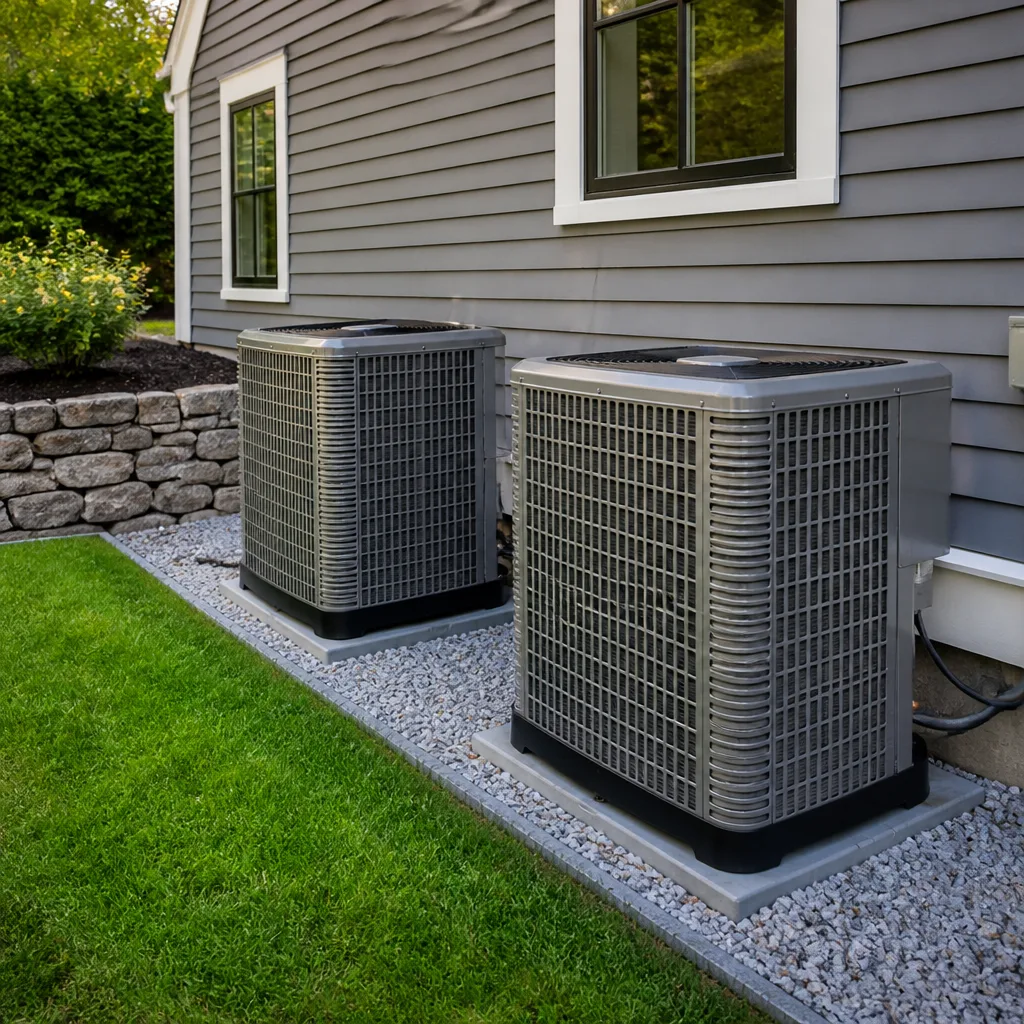 Heat pumps
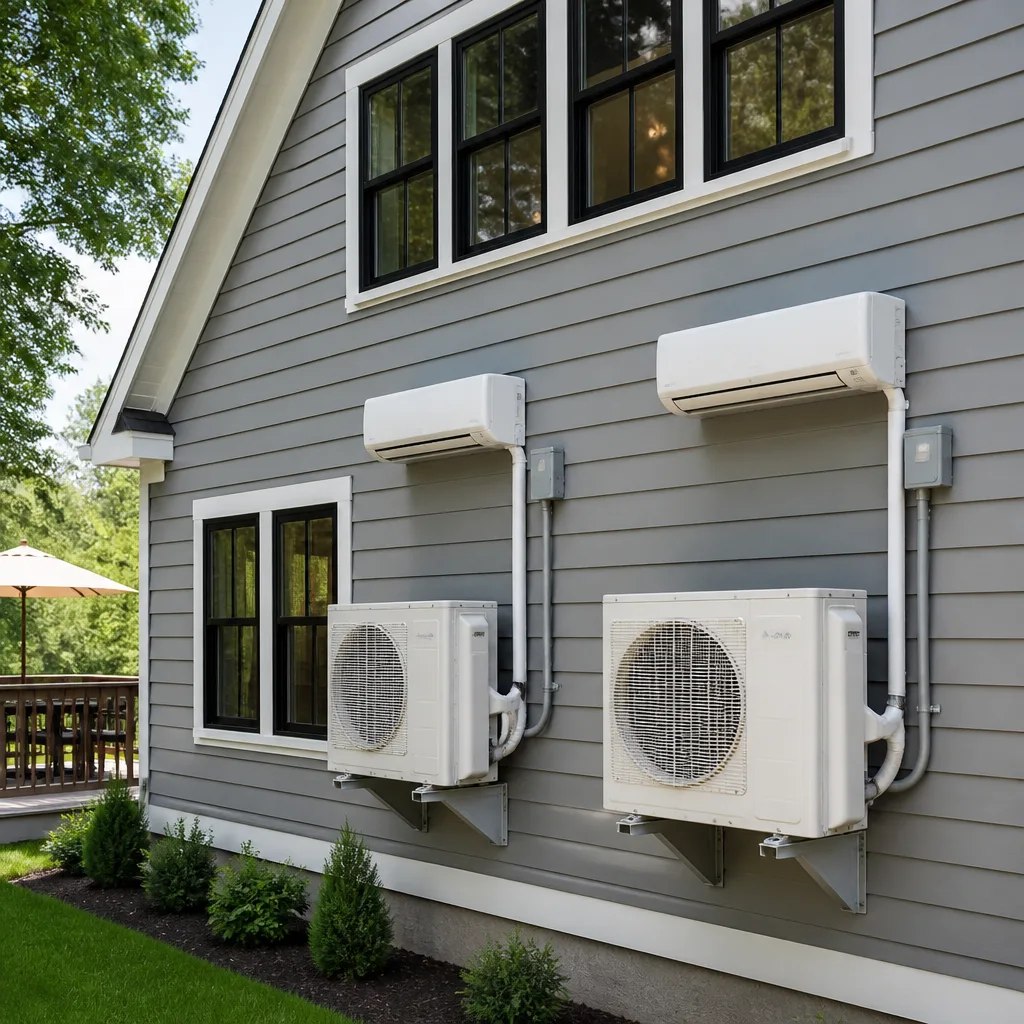 Ductless mini splits
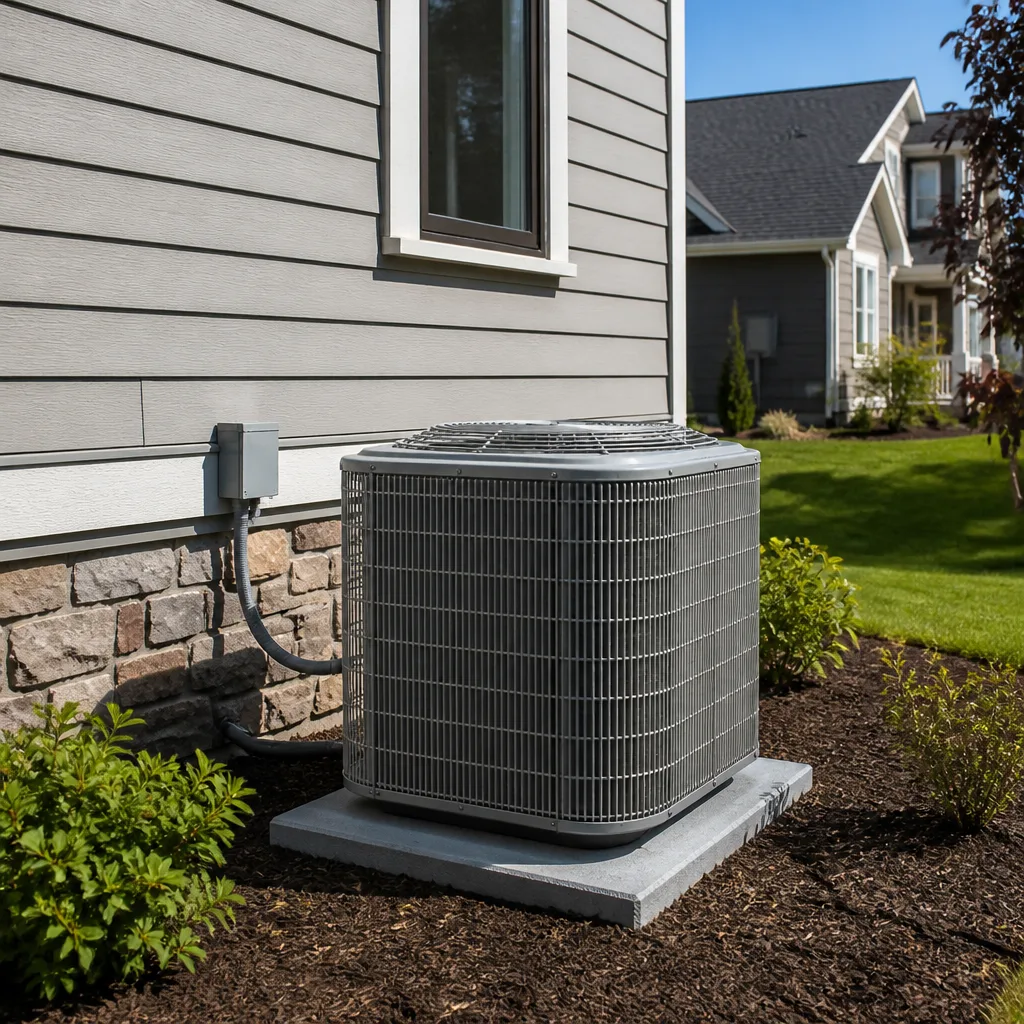 Carrier
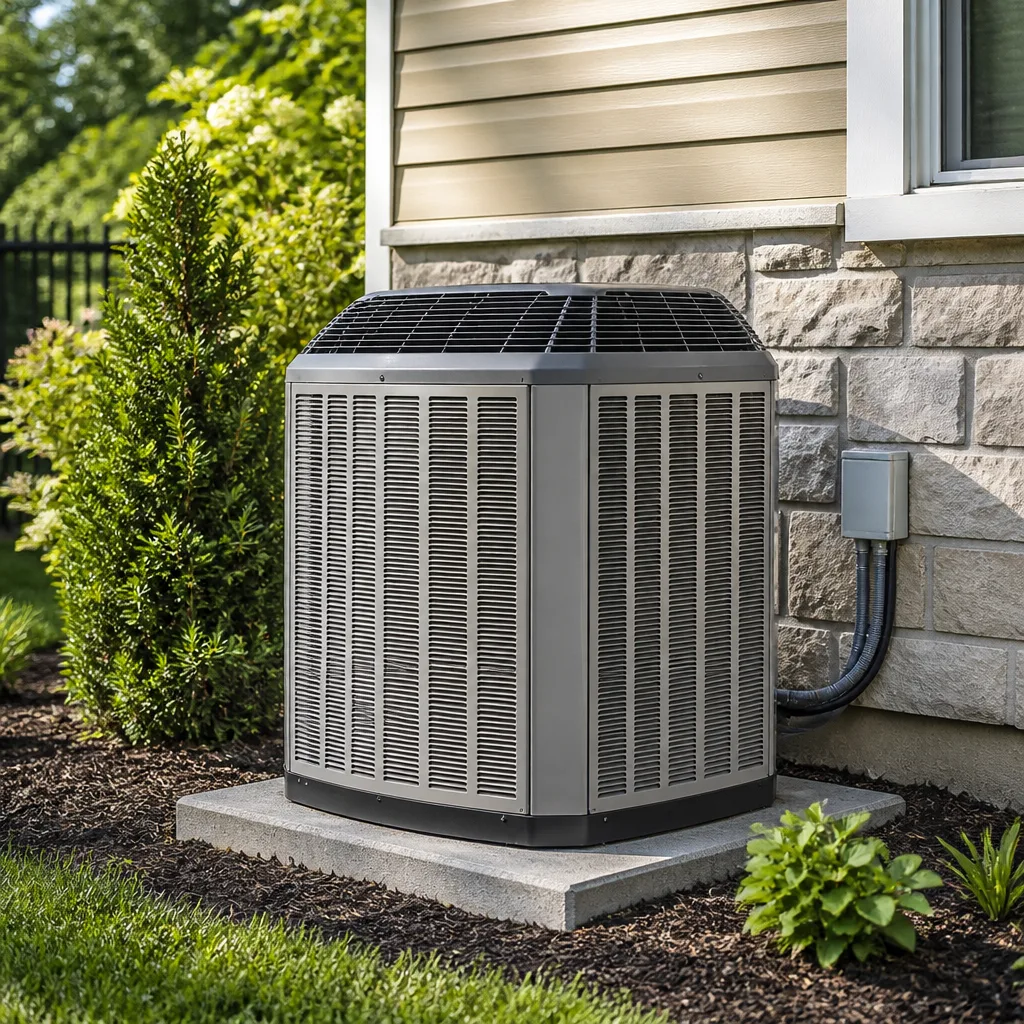 Trane
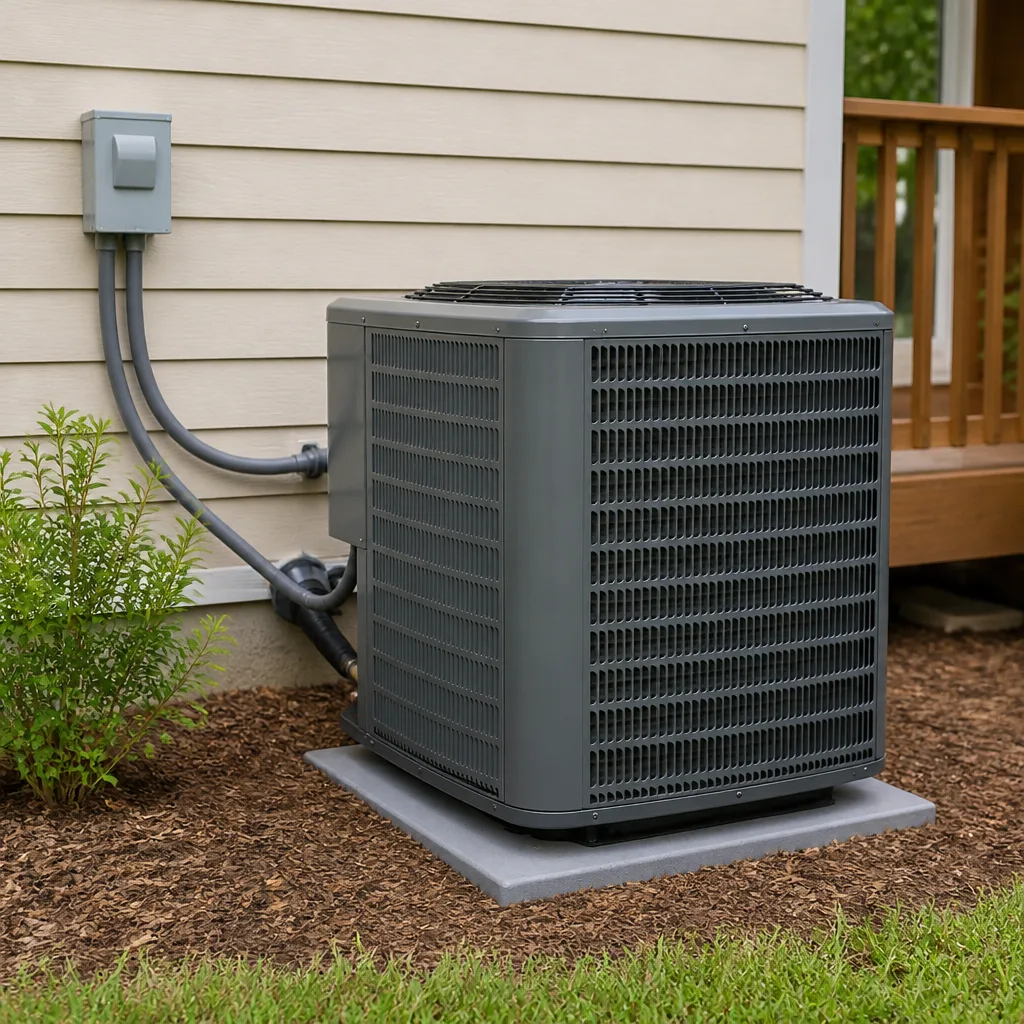 Goodman
Seasonal tune-up and full diagnostic on your Carrier, Trane, or Goodman system - readings shown to you before any repair is proposed
Diagnosis first, numbers second - you approve the repair price before a single part goes in.
Get your free estimateDIY vs Professional HVAC: The Deltona Homeowner’s Decision Guide
Most homeowners frame the DIY-versus-professional question as a money decision. It isn’t. In Florida it’s a licensing and liability decision first, and a money decision second. Here’s the part that surprises people: Florida Statute 489.105 makes it unlawful for anyone without an EPA Section 608 certification to purchase or handle refrigerant. The moment a repair touches the refrigerant circuit, a homeowner with a screwdriver and good intentions has crossed from “frugal” into territory that can void the equipment warranty and complicate a homeowner’s insurance claim at the same time. This guide lays out what you can legally and safely handle yourself in Deltona, where the legal line actually sits, and how to run the break-even math before you pick up a wrench.
Quick Answer
In Deltona, you can legally and safely change your own air filters, swap a thermostat, flush the condensate drain line, and clean supply registers. Anything involving refrigerant, the compressor circuit, electrical panel connections, or a gas-fired furnace heat exchanger requires an EPA-certified or state-licensed professional. The break-even point usually lands fast: a DIY attempt that damages a component or triggers a warranty denial almost always costs more than paying a technician for the original repair. Call (888) 850-1463 for a free estimate. We answer 24/7. Fast dispatch from 7am to 7pm, Sunday through Friday.
Styles & brands we work with
- AC repair
- Furnace & heating
- Heat pumps
- Ductless mini splits
- Carrier
- Trane
- Goodman
Table of Contents
- Where the Legal Line Actually Sits in Florida
- What Deltona Homeowners Can Legally and Safely DIY
- How DIY Work Affects Your Manufacturer Warranty
- The Break-Even Analysis: When DIY Costs More Than a Technician
- Tools and Diagnostics You Can Reasonably Own to Self-Diagnose First
- Why Deltona’s Climate Changes the DIY Math
- Brand Matters: Getting Service on Your Goodman, Rheem, Daikin, or York System
- Common Mistakes to Avoid
- When to Call a Professional
Where the Legal Line Actually Sits in Florida
Florida draws the HVAC legal line in two places, and they’re different from each other. Understanding both is what keeps a homeowner out of trouble.
The first line is federal and it governs refrigerant. Under Section 608 of the Clean Air Act, the EPA requires certification to purchase, handle, or dispose of regulated refrigerants. Refrigerant is not a commodity you pick up at a hardware store. You need the certification to buy it legally, and you need the certification to open the sealed circuit and release or charge it. That’s the line that makes “I’ll just top off my own system” not just a bad idea but a legally prohibited one.
The second line is state-level. Florida’s construction licensing framework, administered through the Department of Business and Professional Regulation, requires licensure for HVAC contracting work. A Certified Air Conditioning Contractor (CAC) license is what authorizes a company to perform heating and cooling contracting in the state. The licensing board’s rule is straightforward about what that covers: the design, installation, maintenance, repair, and alteration of HVAC systems. Homeowners can legally work on their own single-family residence in most routine maintenance capacities, but that permission does not extend to refrigerant or to work claiming to be HVAC contracting.
The practical penalty exposure is real in two directions. First, unlicensed contracting is subject to enforcement action under Florida law, and hiring an unlicensed person to do the work is a separate exposure for the homeowner. Second, when something fails and an insurance claim follows, the adjuster will ask who did the work and whether it was permitted and licensed. A claim denied because the failure traces back to an unpermitted modification is a much bigger bill than an honest service call.
For Deltona homeowners, the safe summary is this: maintenance tasks that don’t open the refrigerant circuit or the electrical panel are usually fine. Everything else belongs to a licensed professional. That isn’t gatekeeping. It’s the same rule that stops you from doing your own panel replacement. When you need a straight answer on where your particular job falls, call (888) 850-1463 for a free estimate. Estimates are free, and that’s the cheapest possible way to find out if a task is one you should be touching.
What Deltona Homeowners Can Legally and Safely DIY
This list has no hedging. These are the tasks a homeowner can take on without EPA certification, without a CAC license, and without any meaningful safety risk.
- Air filter changes. Pull the filter from the return grille or the air handler, check it against a light, and replace it when you can’t see light through it or when it’s visibly loaded with dust. Deltona’s humid air and heavy pollen seasons mean the standard rule of thumb, every 60 to 90 days, is a reasonable starting point. Homes with pets or anyone in the household allergic to dust should change them more often.
- Thermostat swaps on low-voltage systems. A thermostat running on 24-volt control wire can be replaced by a homeowner. The only requirement is turning off the air handler at the breaker first. If the replacement thermostat requires a C-wire that isn’t present, that’s a call.
- Condensate line flushing. The condensate drain runs from the air handler outdoors, carrying the water the system pulls out of the air. It clogs. Flushing it with a shop vacuum at the exterior termination, or a mix of water and vinegar through the access port, is a homeowner task that prevents the most common summer service call in this part of Florida.
- Supply register and return grille cleaning. Removing the grille, washing it, and putting it back is maintenance anyone can do. So is vacuuming out the visible dust from the return boot.
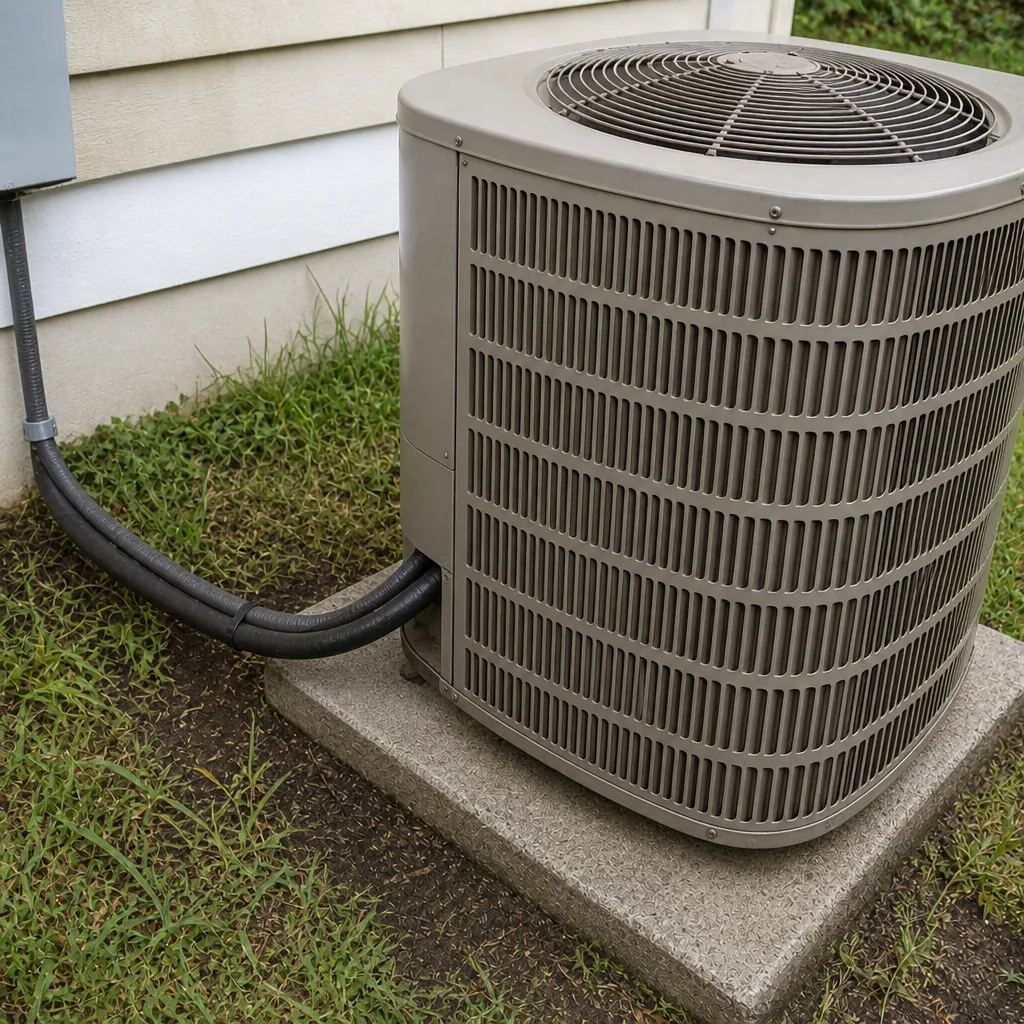
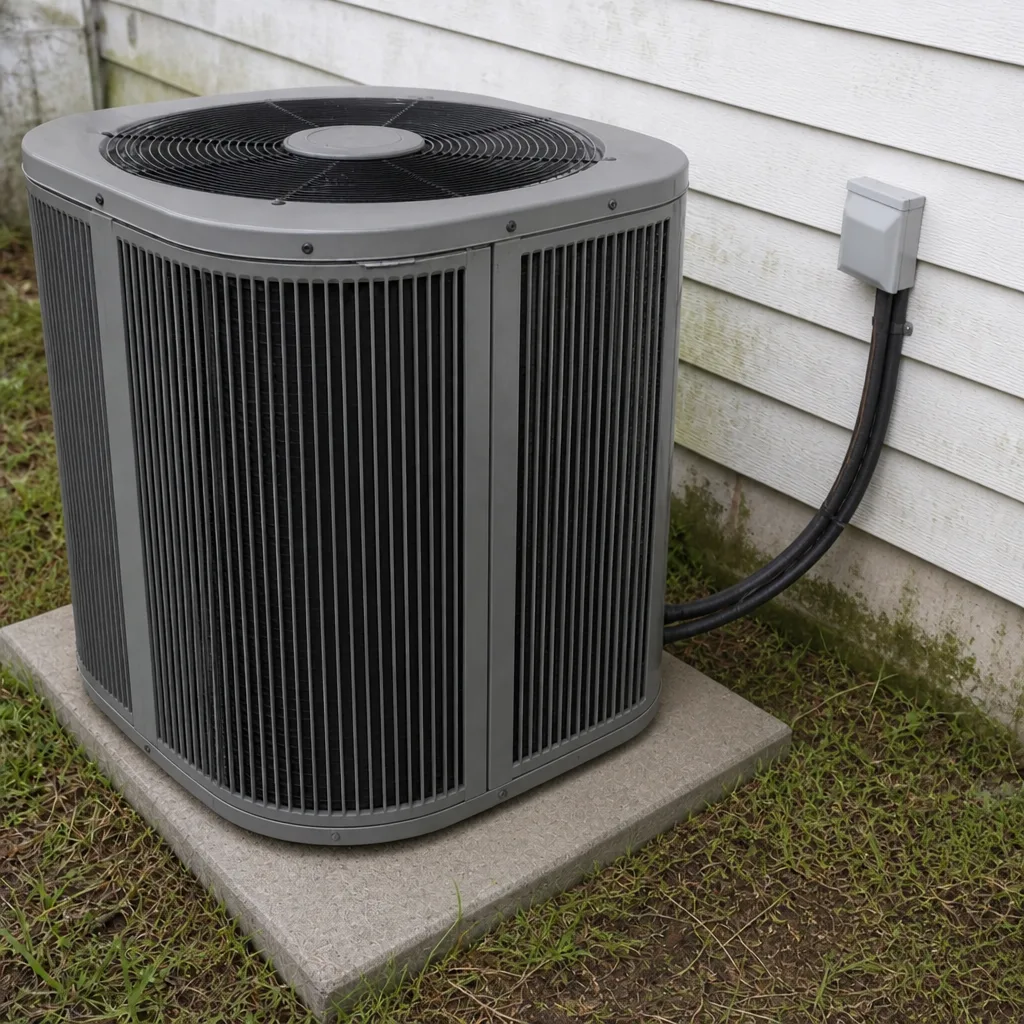
- Clearing debris from around the outdoor condenser. Keep at least 2 feet of clearance around the unit and keep grass clippings, leaves, and mulch away from the coil. Mowing near the unit and then not cleaning up is one of the most frequent causes of condenser coil blockage.
- Checking the outdoor disconnect for obvious damage. Visual inspection only. If you see scorching, insect nests, or damaged wiring, stop and call.
That’s the list. It’s not long, but done consistently it eliminates a meaningful percentage of the service calls we see in Deltona. When your system won’t cool and you’ve already handled all six of these, that’s when Deltona AC Repair gets a call. A technician can diagnose from there much faster than if you’re running through the same checklist on the phone.
How DIY Work Affects Your Manufacturer Warranty
Manufacturer warranties are not uniform on the DIY question, but they share a structure worth understanding before you make a decision.
Most major brands, including Carrier, Trane, and Lennox, include language in their equipment warranties requiring that installation and some categories of repair be performed by a licensed or authorized contractor. The specific wording varies, but the common pattern is that the manufacturer’s parts warranty is conditioned on proper installation and professional servicing. Carrier’s residential warranty documents, for example, typically reference installation by a qualified contractor as a condition of parts coverage, and Trane and Lennox use similar framing. The point is not that every brand uses identical wording. The point is that missing or improperly documented service history gives a manufacturer a basis to question a warranty claim.
Here’s what that means in practice. If your three-year-old Daikin condenser fails on a capacitor and you replaced that capacitor yourself, the manufacturer may still honor the compressor warranty that runs longer, but the failed part and any resulting damage caused by the non-professional repair are a different question. If your Goodman air handler’s blower motor fails after a homeowner-installed thermostat ran the system with incorrect wiring, that’s when the warranty claim gets shaky.
The other piece is documentation. A warranty administrator will ask for the service record. A professional HVAC company maintains a record of every visit, what was diagnosed, what was repaired, and which parts were used. A homeowner with a parts receipt from a big-box store and no record of the actual repair has less to show. If you’ve got a system still under manufacturer warranty, that’s a strong argument for letting a technician handle anything past the four items on the DIY list. Call (888) 850-1463 for a free estimate before you touch it. We answer 24/7. Fast dispatch from 7am to 7pm, Sunday through Friday.
The Break-Even Analysis: When DIY Costs More Than a Technician
The money argument for DIY is usually framed as “the part costs X, the technician charges Y.” That framing skips three costs that matter a lot.
The first is the cost of the tool you don’t own. Replacing a capacitor requires, at minimum, a multimeter with capacitance measurement. Replacing a contactor requires the correct replacement part matched to the compressor draw. Replacing a control board requires understanding which terminal does what on your specific brand. By the time you’ve bought the tools and the part, you’re often closer to the technician’s price than you thought.
The second is the cost of the near-miss. A homeowner can replace a capacitor and get the system running, but if they install one with the wrong microfarad rating, they’ve shortened the life of the compressor, which is far more expensive than any capacitor. A homeowner can clean a condensate line and feel accomplished, but if they’ve used the wrong cleaner and cracked the PVC, they’re paying for a drain pan access and line replacement.
The third is the cost of the warranty denial. A single denied warranty claim on a compressor or air handler can exceed several honest service calls. When the diagnosis involves opening the refrigerant circuit, that denial risk applies to almost every manufacturer.
The break-even math actually looks like this:
- If the part costs less than $50 and you already own the diagnostic tool, it’s often worth DIY on the safe list.
- If the diagnosis is unclear – the system isn’t cooling but you don’t know why – the value of a professional diagnostic is the answer, not the wrench time.
- If the system is still under manufacturer warranty, the third-party repair risk almost always tips the math toward professional.
- If the repair involves refrigerant, the electrical panel, or a gas furnace component, the DIY option doesn’t exist.
When the system is past warranty and out of easy-fix territory, that’s when the AC installation question enters the frame. A technician who can diagnose and quote the repair honestly, and who can also quote a replacement when that’s the smarter financial move, is worth the call. We quote both. Call (888) 850-1463 for a free estimate.
Tools and Diagnostics You Can Reasonably Own to Self-Diagnose First
Self-diagnosis before you call is useful. It shortens the conversation and often saves you a service visit. Here’s what a Deltona homeowner can reasonably own and use without crossing into repair territory.
- A digital thermometer or infrared thermometer. The single most useful diagnostic a homeowner can own. Measure the temperature of the air coming out of a supply register and the temperature of the air returning through the return grille. A properly running system should produce a supply-to-return temperature split in the range of 15 to 22 degrees Fahrenheit, though humidity, airflow, and thermostat settings all affect that. A split well below 15 on a Deltona summer day is a signal that something is wrong.
- A multimeter that measures voltage and capacitance. Useful for confirming the outdoor unit is receiving power and for testing whether a capacitor is failing. Do not open the electrical panel of the air handler unless you know how to work safely around live voltage.
- A shop vacuum. The single best preventive tool for a Deltona homeowner. It handles the condensate line, the drain pan, and the return grille.
- A phone camera. Before you call, take a photo of the system data plate, the model and serial numbers, and any visible damage or debris. That information shortens a technician’s diagnostic time and is often exactly what a dispatcher needs to prepare the right part.
- A basic moisture meter or a hygrometer. Low-cost, useful in tracking whether your home’s indoor humidity is in a normal range (roughly 40-60%, depending on the season and how the system is running).
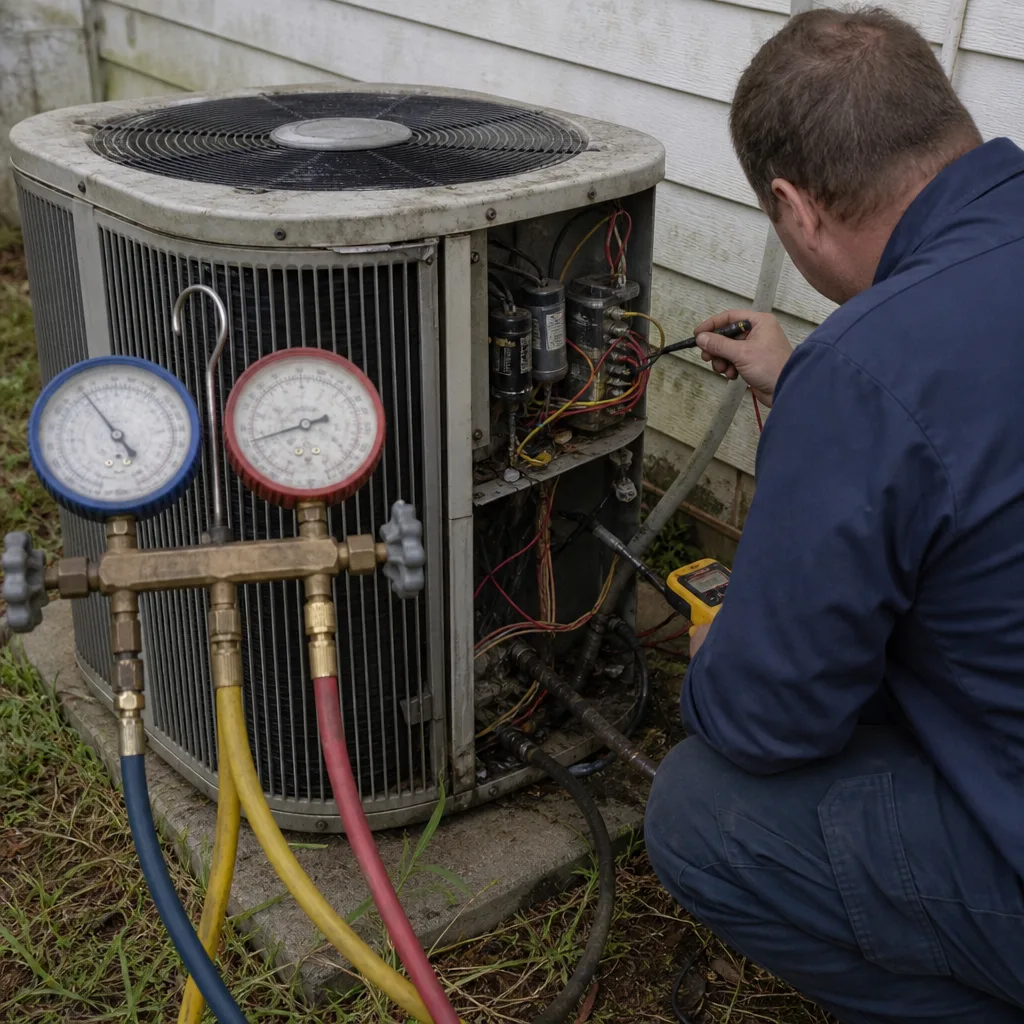
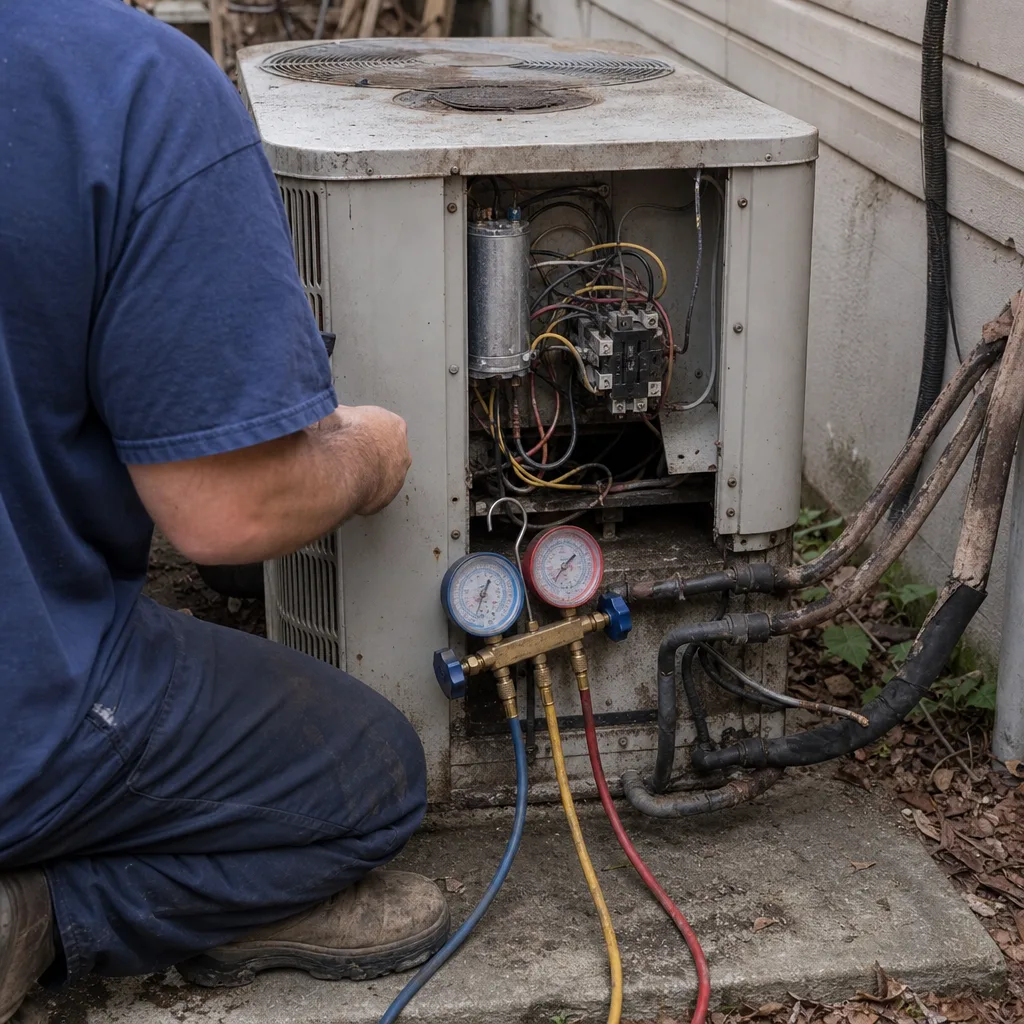
What you should not own and use: refrigerant gauges, a vacuum pump, anything that opens the sealed refrigerant circuit, or a wiring setup that requires the panel cover off with the power on. Those sit firmly on the professional side of the line.
If your diagnostics point to a problem, that’s the moment to call. We answer 24/7. Fast dispatch from 7am to 7pm, Sunday through Friday.
Why Deltona’s Climate Changes the DIY Math
Deltona’s warm, humid summers and mild winters here mean the air conditioning system runs a much higher percentage of the year than it would in a colder climate. That constant operation compresses the time between filter changes, condensate line flushes, and coil cleanings, and it also means the consequences of a skipped maintenance task show up sooner.
The single most common consequence we see in Deltona is a clogged condensate line during the cooling season. The system pulls a lot of water out of the air. If the drain line clogs, the water has nowhere to go but the pan or the ceiling, and the result is a shutdown or, in a bad case, water damage. The good news is that this is one of the easiest homeowner fixes on the list. Flushing the condensate line at the exterior termination every month or two during cooling season is a 5-minute task, and it prevents a category of service call that could be avoided entirely.
The second Deltona-specific wrinkle is the mild winter. Systems here still need a heating check in the fall, but the demand is lower and a furnace problem – if you have a gas or electric furnace – could go unnoticed until a cold spell. That’s why an annual checkup still makes sense, even for a system that’s mostly cooling winter and summer. When it comes to furnace repair, the honest scope is worth confirming before a cold snap arrives rather than after.
The third wrinkle is the way the long cooling season runs the outdoor condenser. Coil blockage from grass clippings, palm fronds, and yard debris is more of a problem when the unit runs 10 or 11 months rather than 5. Clearing around the condenser weekly during mowing season is a homeowner task with a real payoff for a Deltona home.
Brand Matters: Getting Service on Your Goodman, Rheem, Daikin, or York System
The brand of equipment you own should inform who you call, not just what part number you need. Goodman, Rheem, Daikin, and York are all common names in Deltona, and each has its own service protocols, error codes, and part sourcing. A generalist who services one brand all week and gets dragged into a Rheem diagnostic on a Friday afternoon isn’t the best use of your time.
This is where we do something specific. Our technicians are trained on nine major HVAC brands: Carrier, Trane, Lennox, Goodman, Rheem, York, Daikin, Bryant, and American Standard. That breadth is deliberate. It means a technician diagnoses the system in front of them rather than defaulting to whatever brand the dealer rep sells. It means a Goodman system gets Goodman parts and a Rheem system gets Rheem parts, and the recommendation is driven by the equipment and the budget, not the manufacturer’s incentive program.
If you’re in Deltona and you’ve got a Daikin air handler that’s throwing a code, or a York furnace that won’t ignite, that’s a diagnostic that benefits from a technician trained on the brand. When the answer is repair versus replacement, that’s another place where a brand-agnostic technician earns their keep. We do both. We quote repair and replacement side by side. Call (888) 850-1463 for a free estimate. Estimates are free.
If you’ve been thinking about a replacement anyway, our team also handles AC installation in Deltona, and we handle the heating side too, not just the cooling. Deltona homeowners don’t need to juggle two contractors when a system ages out. One call covers the whole system.
Common Mistakes to Avoid
- Buying refrigerant online or at a hardware store. You can’t legally purchase regulated refrigerant without EPA Section 608 certification, and even if you could, releasing or charging a sealed system without the right training and gauges is a fast track to a worse problem and a voided warranty. The moment refrigerant is on the table, the job belongs to a professional.
- Replacing a capacitor or contactor with the wrong spec. A capacitor with the wrong microfarad rating, or a contactor with the wrong amperage rating, can shorten the life of the compressor or the fan motor. The system may run, which is the trap. It will run shorter than it should. Matching the part number on the label is the only safe move.
- Skipping the filter change during Deltona’s dry season. Winter feels mild, the AC still runs on warm afternoons, and the filter can go months untouched. Loaded filters restrict airflow year-round, and that’s harder on the blower motor than most homeowners realize.
- Cleaning the condenser coil with a pressure washer. The fins are thinner than they look, and even a modest pressure spray can bend them flat and reduce efficiency. A garden hose with a gentle spray is the most aggressive tool a homeowner should use on the outdoor coil.
- Running the system with the air handler panel off. The cabinet is part of the airflow design, not just a cover. Running the air handler with the panel removed increases the load on the blower and changes how the system moves air through the home. It’s also dangerous if you don’t know what’s live behind the panel.
- Assuming the thermostat is the problem when it usually isn’t. When a system stops cooling, the thermostat is rarely the root cause. Changing it hides the diagnostic rather than solving it. Check the safe list, confirm the outdoor unit is running, and call for a diagnosis if the problem persists.
- Using a licensed-only job as a DIY learning experience. Furnace heat exchanger work, gas line work, and electrical panel work are categories where the consequence of a mistake is not “the system runs poorly,” it’s carbon monoxide or a fire. Those belong to a professional every time. Florida code treats these as licensed work for a reason.
When to Call a Professional
Call a professional when the repair involves any part of the refrigerant circuit, when the air handler’s electrical panel needs to come off, when a gas or electric furnace’s heat exchanger or gas line is involved, or when the diagnosis is unclear and you can’t isolate the cause. Call when the system is under a manufacturer warranty and you’d rather preserve it than risk a denial. Call when the air isn’t cooling after you’ve handled the safe-list tasks and confirmed the outdoor unit is running.
Deltona AC Repair offers free estimates in Deltona. Call (888) 850-1463. We answer 24/7. Fast dispatch from 7am to 7pm, Sunday through Friday, and closed Saturday. Our technicians have up to 12 years of experience, and we work on nine major brands, including the one on your equipment, whatever it is. Repair or replace, we’ll tell you which one actually makes sense.
See the difference
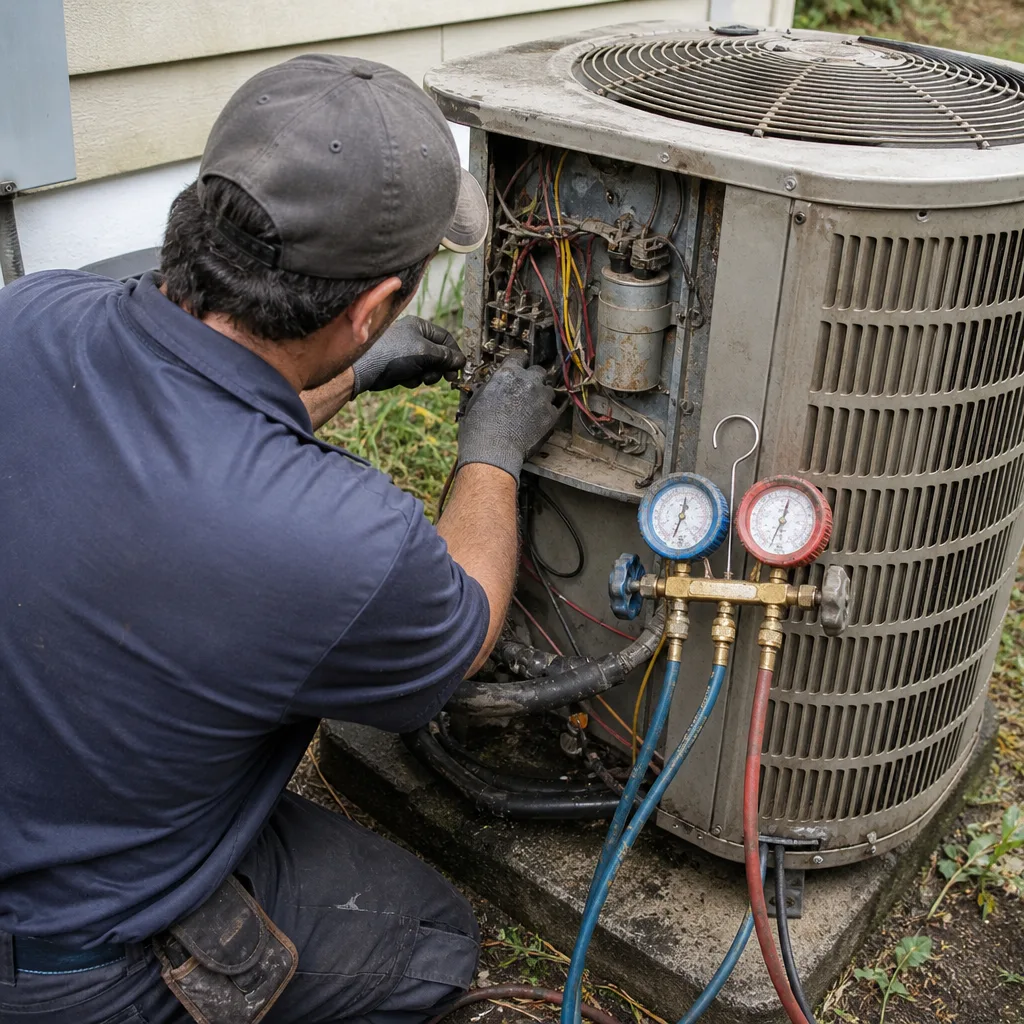 Before
 After
 Before
 After
 Before
 After
Frequently Asked Questions
No, not unless you hold EPA Section 608 certification. Federal law requires that certification to purchase, handle, or dispose of regulated refrigerants, and the certification is not something a homeowner can obtain casually for one repair. The moment a repair involves the refrigerant circuit, it belongs to a certified technician. Call (888) 850-1463 for a free estimate. Estimates are free.
No. Replacing a thermostat is a low-voltage swap and does not require a permit when the wiring is already in place. The only time it becomes a licensed job is when the replacement thermostat needs a C-wire that isn’t running to the unit. Call (888) 850-1463 for a free estimate if you’re not sure. We answer 24/7. Fast dispatch from 7am to 7pm, Sunday through Friday.
It can, especially if the manufacturer’s warranty language requires installation or service by a licensed contractor. Carrier, Trane, and Lennox all use language along those lines, and the specific effect depends on what part failed and what caused the failure. A warranty claim that traces back to a homeowner repair is where the denial risk is highest. When you’re not sure, call (888) 850-1463 for a free estimate before you start.
A clogged condensate line, without a close second. Deltona’s humidity means the system pulls a lot of water out of the air all cooling season, and the drain line is a small-diameter PVC run that clogs easily. Flushing the line at the exterior termination every month or two during the cooling season prevents most of the calls we see in this category. Call (888) 850-1463 for a free estimate if it’s already clogged and you want an honest diagnosis. Estimates are free.
You can gather useful info, yes. Check the filter, the outdoor unit, the condensate line, and the supply-to-return temperature split with a basic thermometer. That information shortens a technician’s diagnostic and often tells you whether the problem is on the safe DIY list or not. Where self-diagnosis stops is at anything requiring the refrigerant circuit or the electrical panel. At that point, call a professional. Call (888) 850-1463 for a free estimate.
For any HVAC repair that involves refrigerant or the electrical panel, hire a licensed professional. Florida’s CAC license exists to authorize that work, and a handyman performing refrigerant or electrical work is outside the scope of what an unlicensed person can legally touch. The exposure falls on both sides – the person doing the work and the homeowner who hired them. When a Deltona homeowner has a repair on the safe list, DIY is fine. For everything past that line, call (888) 850-1463 for a free estimate. We answer 24/7. Fast dispatch from 7am to 7pm, Sunday through Friday.
The Bottom Line
DIY and professional HVAC isn’t a binary. In Deltona, there’s a real, useful set of tasks you can legally and safely handle yourself: filters, thermostats, condensate lines, registers, condenser clearance, and visual inspection. Everything else sits behind the refrigerant line or the electrical panel or the gas furnace, and that’s where the licensing question and the warranty question start to dominate the math. The break-even analysis usually tilts toward professional service once you count tool costs, near-miss risks, and the cost of a warranty denial. The honest question isn’t “can I do this myself?” It’s “what’s the total cost if I try?” When the answer is uncertain, a call is cheaper than a guess.
Call (888) 850-1463 for a free estimate. We work on your brand, whatever it is, and we’ll tell you the truth about whether repair or replacement makes more sense. Written by the team at Deltona AC Repair.
Written by the team at Deltona AC Repair.